

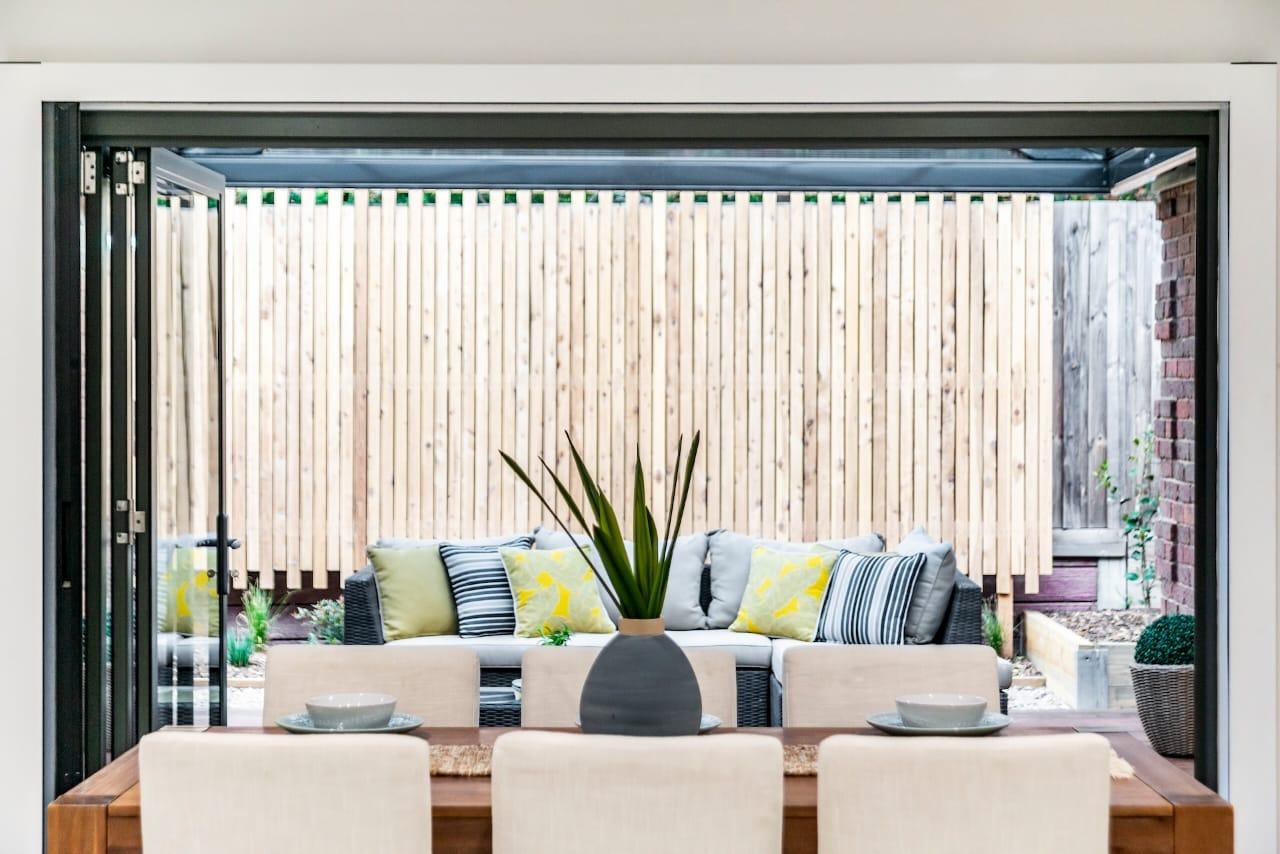
Outdoor blinds are a fantastic addition to any home, offering shade, privacy, and protection from the elements. Whether you’re installing outdoor roller blinds or fixed panel blinds, proper preparation ensures a smooth installation process and long-lasting performance. This guide covers what to expect during installation and how to prepare your space for the best results.
Why Install Outdoor Blinds?
Before diving into the installation process, it’s helpful to understand the key benefits of outdoor blinds:
- Sun Protection: Reduce glare and block harmful UV rays.
- Weather Resistance: Shield against wind, rain, and dust.
- Privacy Control: Keep prying eyes out while enjoying your outdoor space.
- Energy Efficiency: Lower indoor temperatures by blocking direct sunlight.
- Aesthetic Appeal: Enhance your home’s exterior with a sleek, modern look.
With these advantages in mind, let’s explore what the installation process entails and how to prepare for it.
What to Expect During Outdoor Blinds Installation
1. Professional Measurement and Assessment
A reputable installer will begin by measuring your space to ensure a perfect fit. They’ll assess:
- The dimensions of the area where the blinds will be mounted.
- The type of mounting surface (brick, timber, metal, etc.).
- Any obstacles, such as downpipes or uneven walls.
- Wind conditions (important for selecting the right blind material).
If you’re considering motorized outdoor roller blinds, the installer will also check power access or discuss battery-operated options.
2. Choosing the Right Blind Type
There are several types of outdoor blinds, including:
- Roller Blinds: Retractable and easy to operate, ideal for patios and decks.
- Café Blinds: Often used in commercial settings but great for home use.
- Zip Screens: Fully enclosed systems that provide maximum protection.
- Motorized Blinds: Convenient for large or hard-to-reach areas.
Your installer will help you select the best option based on your needs, budget, and home design.
3. Installation Process
Once measurements are taken and materials are selected, the installation typically follows these steps:
- Preparing the Mounting Surface – The installer will ensure the wall, fascia, or ceiling is sturdy enough to support the blinds.
- Fixing the Brackets – Heavy-duty brackets are secured to hold the blind mechanism.
- Attaching the Roller Mechanism – The blind fabric is fitted onto the roller and locked into place.
- Testing Operation – The installer will check that the blinds roll up and down smoothly.
- Final Adjustments – Tension and alignment are fine-tuned for optimal performance.
The entire process usually takes a few hours, depending on the number of blinds and complexity.
How to Prepare for Outdoor Blinds Installation
Proper preparation ensures a seamless installation and helps avoid delays. Follow these steps before the installer arrives:
1. Clear the Installation Area
Remove any furniture, plants, or decorations near the mounting site. This gives the installer unobstructed access and prevents accidental damage.
2. Check Structural Integrity
If mounting to a pergola, verandah, or wall, inspect for:
- Rot or termite damage (for timber structures).
- Loose screws or bolts that may need reinforcement.
- Uneven surfaces that could affect alignment.
If repairs are needed, address them before installation day.
3. Consider Power Sources for Motorized Blinds
If you’re opting for motorized outdoor roller blinds, ensure there’s a nearby power outlet or discuss solar/battery-powered options with your installer.
4. Check Local Regulations (If Applicable)
Some homeowners’ associations or local councils have rules about exterior modifications. Verify whether you need approval before installing outdoor blinds.
5. Plan for Weather Conditions
Installation is best done on a dry, calm day. If rain or strong winds are forecasted, rescheduling may be necessary to ensure safety and precision.
Post-Installation Care and Maintenance
Once your outdoor blinds are installed, proper maintenance will extend their lifespan:
- Regular Cleaning: Use mild soap and water to remove dust and debris. Avoid harsh chemicals.
- Lubricate Moving Parts: Apply silicone spray to rollers and tracks annually.
- Retract in Extreme Weather: During storms or high winds, roll up the blinds to prevent damage.
- Inspect for Wear: Check for fraying fabric, loose brackets, or motor issues (if applicable).
Final Thoughts
Installing outdoor blinds is a smart investment that enhances comfort, privacy, and curb appeal. By understanding the installation process and preparing your space accordingly, you can ensure a hassle-free experience and enjoy your upgraded outdoor area for years to come.
With the right preparation and expert guidance, your outdoor space will be transformed into a more functional and stylish retreat.
