

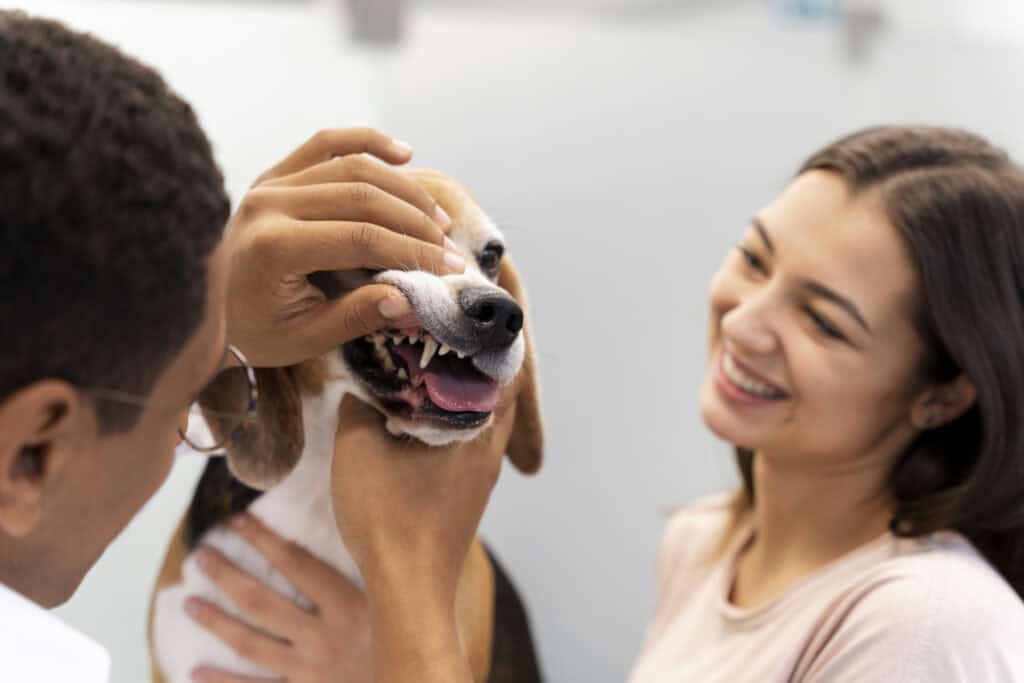
You want your pet to stay safe and healthy. That means you need clear facts, not rumors. Many people still trust old stories about vet visits. These myths cause stress, delay care, and sometimes lead to real harm. This blog exposes five common myths about veterinary care and explains what is actually true. You will see why routine exams matter, why cost assumptions can mislead you, and how early treatment helps your pet live longer. You will also learn when online advice crosses a line into danger. If you have ever worried that a vet visit is “too much” for a minor issue, this guide is for you. The team at an animal hospital in Oakville, ON hears these myths every week. You are not alone. You deserve clear answers so you can act with confidence for your pet.
Myth 1: “My pet looks fine, so checkups are not needed”
This myth feels harmless. It is not. Many serious problems grow in silence. Heart disease, kidney trouble, diabetes, and some cancers often start with no clear signs.
Routine exams help catch small changes before they turn into crises. During a wellness visit, the vet checks three key things.
- Body condition and weight changes
- Teeth and gums for pain or infection
- Heart, lungs, and abdomen with a hands-on exam
They may also suggest simple blood or urine tests. These tests can uncover early disease even when your pet acts normal. The American Veterinary Medical Association advises regular exams as part of basic care for every pet.
When you wait until your pet looks sick, treatment often becomes harder. Your pet suffers more. You may face higher costs and fewer choices. Routine care is quite protective. It gives you time to act before a problem explodes.
Myth 2: “Vaccines are only for puppies and kittens”
Many people think once the first shots are done, their pet is set for life. That belief puts pets at risk. Immunity fades. New threats appear in your community. Travel and boarding increase exposure.
Core vaccines protect against three common dangers.
- Diseases that spread easily between pets
- Diseases that can pass from animals to humans
- Diseases that cause severe or sudden death
The Centers for Disease Control and Prevention stresses the role of rabies vaccination in protecting both pets and people. Many regions require current rabies shots by law.
Adult pets need booster shots on a schedule that fits their age, health, and lifestyle. Indoor cats still face risk because viruses can travel on shoes or clothing. Small dogs still need protection when they visit the groomer or park.
You do not need every vaccine every year. You do need a plan. Your vet reviews your pet’s life and builds a simple schedule. That keeps protection strong and avoids guesswork.
Myth 3: “Veterinary care is always too expensive”
Cost fear keeps many people out of the clinic. The result is often more pain for the pet and higher bills later. Preventive care costs less than emergency care. It also gives you more control.
The table below shows a general comparison of average costs. Actual prices vary by clinic and region, but the pattern stays the same.
| Type of Care | Example | Typical Timing | Relative Cost |
|---|---|---|---|
| Preventive visit | Annual exam, vaccines | Planned | Low |
| Early treatment | Ear infection, mild limp | Soon after first sign | Moderate |
| Emergency care | Seizure, hit by car, severe vomiting | Unplanned | High |
| Advanced crisis care | Organ failure, advanced cancer | Late stage | Very high |
When you plan routine visits, you spread costs over time. You can also ask about wellness plans, written estimates, and payment options. Many clinics help you choose what matters most at each visit. That gives you control over both care and cost.
The harsh truth is that skipping preventive care often leads to emergency care. That is what strains budgets the most.
Myth 4: “The internet can replace a vet”
Online advice can help you understand a condition. It cannot examine your pet. It cannot touch a swollen joint or listen to a heart. It cannot see the difference between a simple rash and a fast-moving infection.
Use online information for three things.
- Learning background after your vet visit
- Preparing questions before your appointment
- Finding trusted sources such as government and university sites
Do not use it for three things.
- Deciding a problem is “no big deal” without an exam
- Trying random home treatments
- Stopping prescribed medicine early
If you read something that scares you, write it down. Then ask your vet. A short talk with a trained professional protects your pet far more than hours of scrolling. Your pet needs a real exam, not guesses from a screen.
Myth 5: “Pets hate the vet, so visits only cause stress”
Many pets feel fear at the clinic. That fear is real. It is also manageable. Avoiding care does not remove fear. It only hides it until a crisis visit makes it worse.
You and your vet can work together to reduce stress in three simple ways.
- Clinic preparation. Use a carrier at home so it feels normal. Practice short car rides. Bring a favorite toy or bedding.
- Calm handling. Ask the clinic about quiet waiting options, gentle handling, and separate spaces for dogs and cats.
- Positive routines. Schedule shorter, more frequent visits. Some clinics offer “happy visits” where nothing scary happens.
Many pets learn that the clinic means treats, kind hands, and quick visits. That change takes time and patience. It protects your pet’s health for years.
Taking the next step for your pet
Myths about veterinary care grow from fear, old habits, and guesswork. You break them with three actions. Schedule regular checkups. Ask clear questions about vaccines and costs. Use the internet as a tool, not a replacement.
Your pet depends on you to see trouble early and act. Every visit, every question, and every small choice adds up to a longer, more comfortable life for your companion.
