

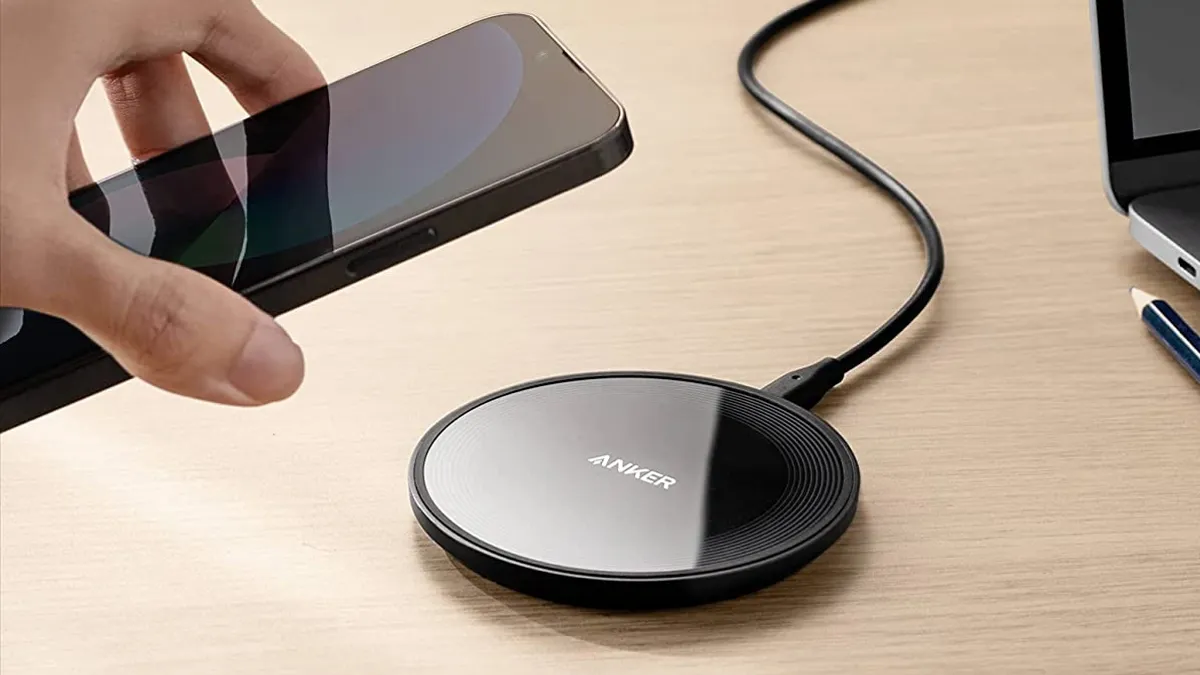
In recent years, the appeal of the wireless charger has increased as consumers seek more convenient solutions for powering their devices. The technology behind wireless charging has advanced tremendously, enabling users to simply place their phones on a charging pad and eliminate the clutter of cables.
Enhanced Convenience
One of the primary benefits of using a wireless charger is the significant enhancement of convenience. Without the need for cables, users can enjoy an uncluttered space and simply place their device on the charging pad in order to initiate charging. This ease of use makes wireless chargers particularly appealing for those who are constantly on the move.
Reduction of Wear and Tear
Consistently plugging and unplugging charging cables can lead to wear and tear on both the cables and the charging ports of mobile devices. Wireless chargers alleviate this issue entirely by removing the need for physical connectors. This can substantially extend the lifespan of both the charger and the device, thereby adding an element of sustainability to their use.
Wide Compatibility
Most wireless chargers are compatible with a wide range of devices. This compatibility means that users do not need multiple chargers for different devices, such as smartphones, tablets, and smartwatches, as long as they support the same wireless charging standard. This further adds to the convenience and cost-effectiveness for the users who adopt wireless charging solutions.
Safer Connections
Wireless charging technology provides a safer means of charging by reducing the risk of electrical faults. Unlike traditional cable systems that depend on direct plugs and connections, wireless systems minimise the potential for short circuits and can reduce the risks of sparks and overheating. This safety feature is one of the reasons why many consider switching to wireless options.
Aesthetic Appeal
A wireless charger offers a cleaner, more aesthetically pleasing look. Tangles of cables can create an untidy workspace and distract from the ambience of a home or office setting. A sleek wireless charger, on the other hand, complements modern décor and contributes to a tidy and orderly environment.
Versatility
Wireless chargers provide a level of versatility that conventional chargers cannot match. Many chargers can accommodate multiple devices simultaneously, allowing for straightforward management of different gadgets. In busy households or office settings, this can be particularly beneficial.
Eco-Friendly Advances
As manufacturers continue to innovate, wireless chargers are becoming more energy-efficient. This is an eco-friendly advantage over conventional charging approaches, which often involve energy losses due to inefficient cable designs. Cutting-edge wireless chargers utilise technology to ensure minimal energy waste, contributing to sustainability efforts.
Integration with Emerging Technologies
Integration with emerging smart home technologies is seamless with wireless chargers. Many smart homes now incorporate wireless charging stations as part of their infrastructure, enabling a futuristic lifestyle where devices can charge effortlessly without manual intervention. This builds the foundation for an interconnected living space that blends functionality with innovation.
Enhanced User Experience
Users consistently report a more satisfying experience when using wireless chargers due to their ease of use and the removal of cumbersome steps associated with traditional charging methods. The resultant ease and user-friendliness of wireless chargers greatly enhance overall user satisfaction.
Conclusion
Wireless chargers are revolutionising the way users interact with their devices. By offering the benefits of convenience, enhanced safety, and wide compatibility, wireless chargers serve as a vital addition to the modern consumer’s arsenal of technology. As more individuals switch to this streamlined charging method, the wireless charger continues to affirm its place as a pivotal component of contemporary technological settings.
