

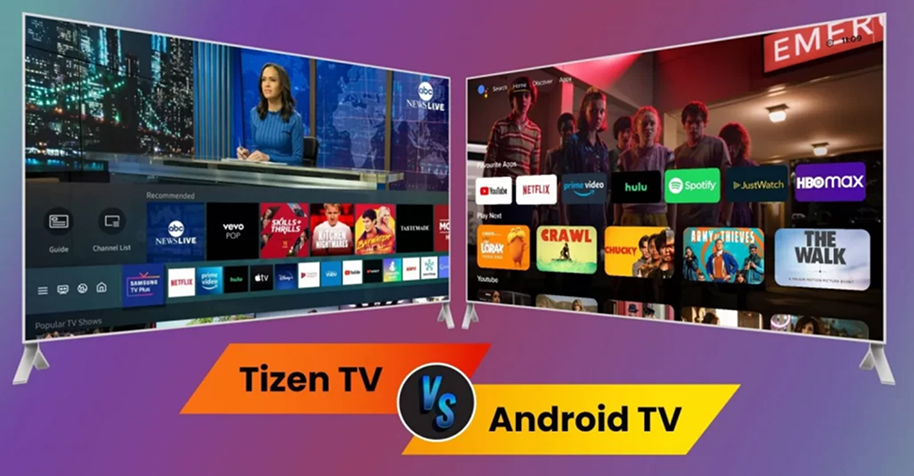
The smart TV industry has evolved rapidly over the last few years. Modern televisions are no longer just screens for watching cable channels. They have become powerful entertainment hubs that support streaming apps, gaming, voice assistants, and personalized recommendations.
Because of this transformation, the operating system inside a smart TV now plays a huge role in the overall user experience.
Two platforms that have recently attracted attention are Titan OS and Android TV. Both offer unique features, but they serve slightly different goals for users, manufacturers, and streaming platforms.
If you are exploring the differences between these platforms, understanding the key aspects of titan os vs android tv can help you decide which ecosystem is the right fit for your streaming needs.
Understanding Smart TV Operating Systems
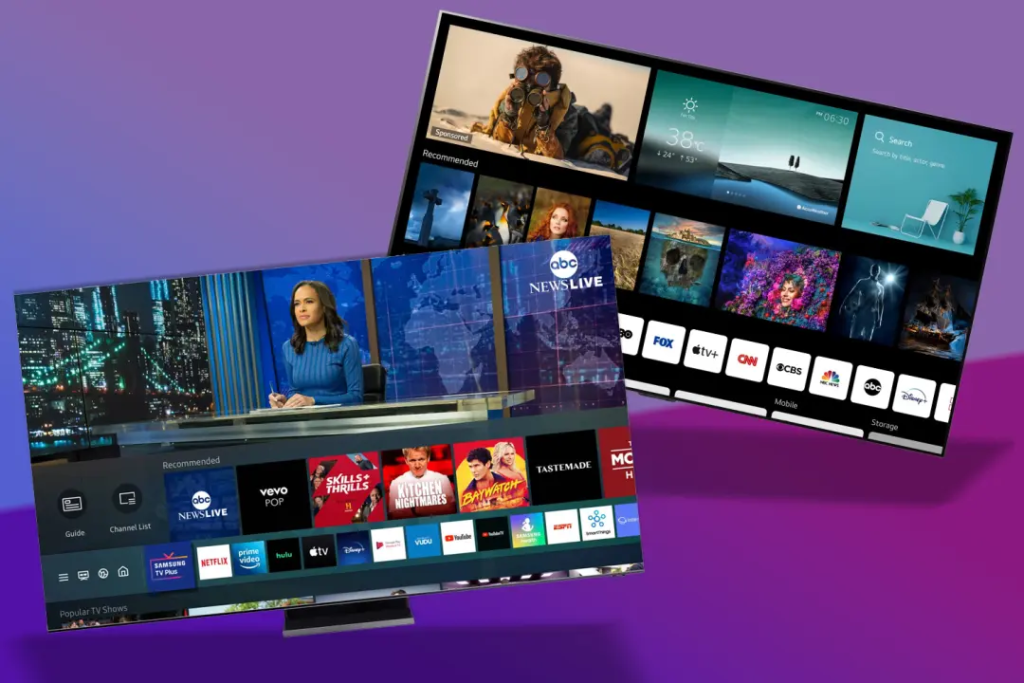
Before comparing these two platforms, it helps to understand why TV operating systems matter so much.
A smart TV OS controls everything from:
- App availability
- User interface design
- Streaming performance
- Advertising capabilities
- Content recommendations
In simple terms, the operating system is the brain of the television.
Manufacturers choose a specific OS because it affects the entire user experience, developer ecosystem, and monetization strategy.
What Is Titan OS?
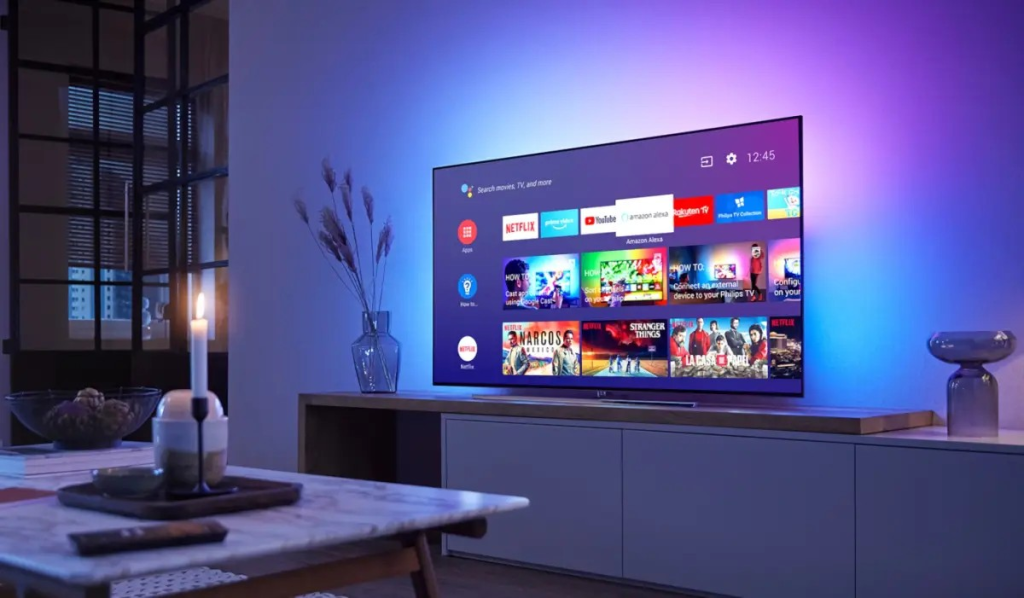
Titan OS is a newer smart TV operating system designed to provide a streamlined, content-focused viewing experience.
Unlike traditional smart TV platforms that rely heavily on third-party ecosystems, Titan OS is designed with a content-first approach. This means that the platform emphasizes easy content discovery and optimized streaming services.
Some key characteristics of Titan OS include:
- A simplified and intuitive interface
- Integrated streaming services
- Strong focus on content discovery
- Built-in advertising capabilities for media companies
- Optimized performance for modern smart TVs
The platform is gaining attention because it aims to create a more controlled and efficient streaming environment.
What Is Android TV?
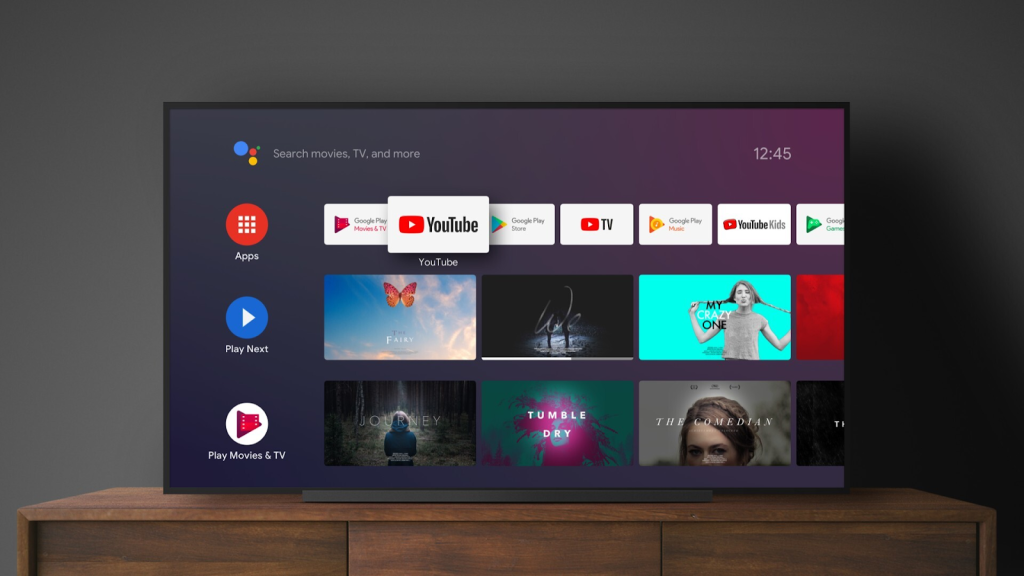
Android TV, developed by Google, is one of the most widely used smart TV operating systems in the world.
Because it is part of the Android ecosystem, it offers extensive app compatibility and deep integration with Google services.
Android TV powers devices from many global TV manufacturers and supports a huge library of applications through the Google Play Store.
Some of its main features include:
- Thousands of streaming apps
- Built-in Google Assistant voice control
- Personalized recommendations
- Chromecast support for mobile streaming
- Integration with smart home devices
Due to its flexibility and large developer community, Android TV has become a popular choice for many smart TV brands.
Titan OS vs Android TV: Key Differences
When comparing these platforms, several important factors stand out.
1. User Experience
Titan OS focuses heavily on content discovery and simplicity. The interface is designed to highlight available shows and movies rather than focusing on apps.
Android TV, on the other hand, follows an app-centric approach where users browse and launch individual streaming applications.
For users who prefer simplicity, Titan OS may feel cleaner. For users who want flexibility, Android TV offers more control.
2. App Ecosystem
One of Android TV’s biggest advantages is its large app ecosystem.
Because it is part of Google’s platform, users can access thousands of applications including:
- Netflix
- YouTube
- Disney+
- Spotify
- Gaming apps
Titan OS currently offers a more curated selection of streaming services, focusing on essential media platforms rather than a massive app library.
3. Developer and Business Opportunities
For media companies and developers, the operating system also affects content distribution and monetization.
Titan OS provides strong tools for advertising integration and content partnerships, which can be appealing for streaming providers.
Android TV provides developers with access to the broader Android ecosystem and development tools.
Companies exploring the technical differences between these platforms often review detailed insights like this guide on titan os vs android tv to better understand how each system fits into modern streaming strategies.
4. Customization and Integration
Android TV is known for its flexibility.
Because it is part of the Android ecosystem, it integrates easily with:
- Smart home systems
- Mobile devices
- Voice assistants
- Casting technologies
Titan OS focuses more on controlled user experience and optimized content navigation, which may appeal to manufacturers looking for a streamlined platform.
5. Performance and System Optimization
Another important factor is system performance.
Titan OS is designed to run efficiently on modern TVs with optimized content delivery and minimal system overhead.
Android TV, while powerful, can sometimes require stronger hardware to deliver the best performance because of its larger ecosystem and app support.
Which Platform Is Better for Streaming?
The answer depends largely on the priorities of the user or the business implementing the platform.
Titan OS may be better for:
- Simplified streaming experiences
- Content-focused TV interfaces
- Advertising-driven streaming models
- Controlled ecosystems
Android TV may be better for:
- Large app availability
- Smart home integration
- Gaming and additional apps
- Advanced customization
Both platforms serve different roles in the smart TV ecosystem.
The Future of Smart TV Platforms
The competition between TV operating systems is likely to grow in the coming years.
As streaming services continue expanding and viewers expect more personalized experiences, TV platforms will evolve to provide:
- Better recommendation systems
- Improved content discovery
- Faster streaming performance
- Deeper AI-powered personalization
Companies with strong experience in video technologies and digital platforms, such as Oxagile, continue to explore how emerging smart TV technologies can improve the future of streaming platforms and media delivery.
Final Thoughts
Choosing between Titan OS and Android TV ultimately depends on the type of experience users and companies want to create.
Titan OS brings a modern, content-first approach that simplifies navigation and focuses on streaming discovery.
Android TV remains a powerful and flexible ecosystem with a massive app library and deep integration with Google services.
As smart TVs continue evolving, understanding the differences between these platforms will help viewers, developers, and media companies make smarter technology decisions.
