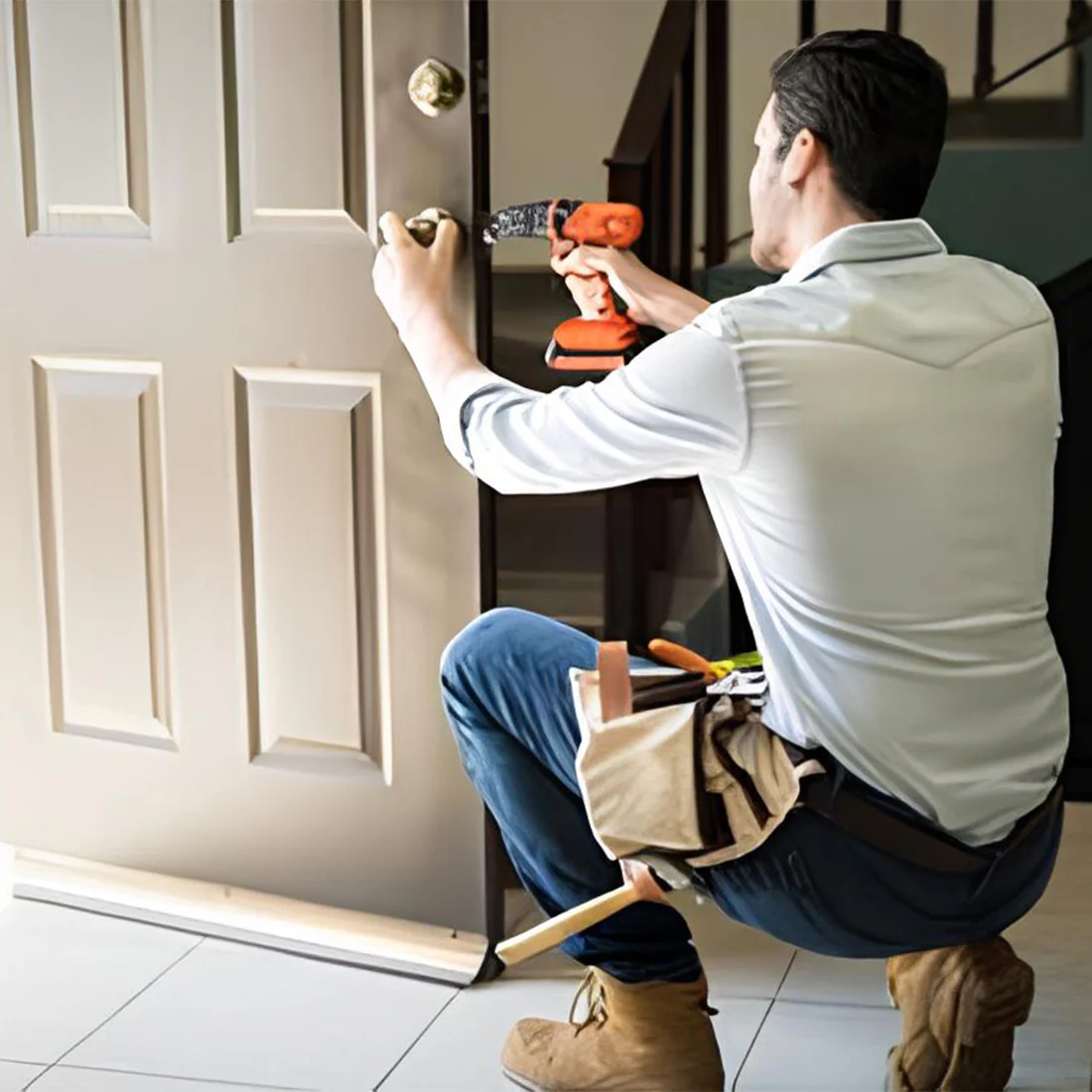
A door that won’t close properly, gaps letting drafts seep through, or a frame that cracks under pressure—these are the expensive consequences homeowners face when a rough opening goes wrong. What seems like a straightforward part of construction can quickly spiral into hundreds or even thousands of dollars in repairs if measurements are off by even half an inch. The rough opening serves as the foundation for every door installation, and getting it right the first time is especially critical when working with a standard 36 inch door, one of the most common sizes in residential construction.
This article walks you through the essential knowledge needed to avoid costly rough opening mistakes, whether you’re installing an entrance door, an interior panel door, or an aluminum alloy sliding system. You’ll learn how different door types affect framing requirements, discover the precise measurements and tolerances that ensure a perfect fit, and gain practical solutions for the most frequent installation errors. By the end, you’ll have the confidence to plan and execute a rough opening that saves money, time, and frustration.
Understanding Door Types and Their Benefits for Homeowners
Choosing the right door isn’t just about appearance—it directly determines how you’ll frame your rough opening and what tolerances you need to maintain. Each door type carries distinct structural requirements that, if overlooked, lead to installation headaches and wasted money. Understanding these differences before you pick up a tape measure is the first step toward a successful project.
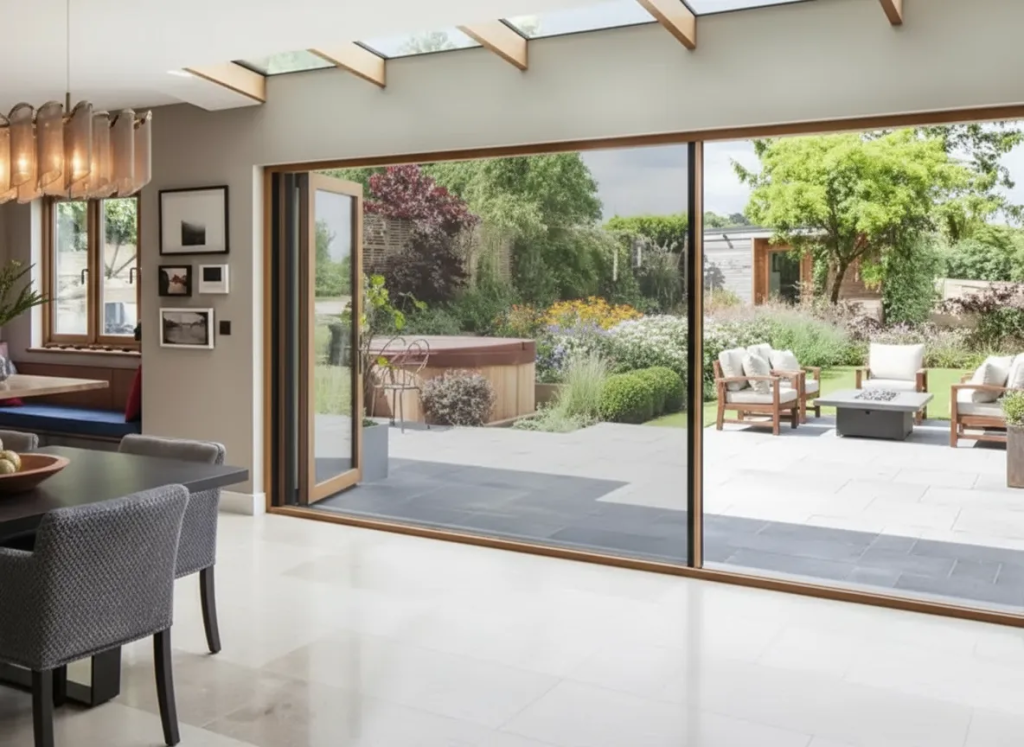
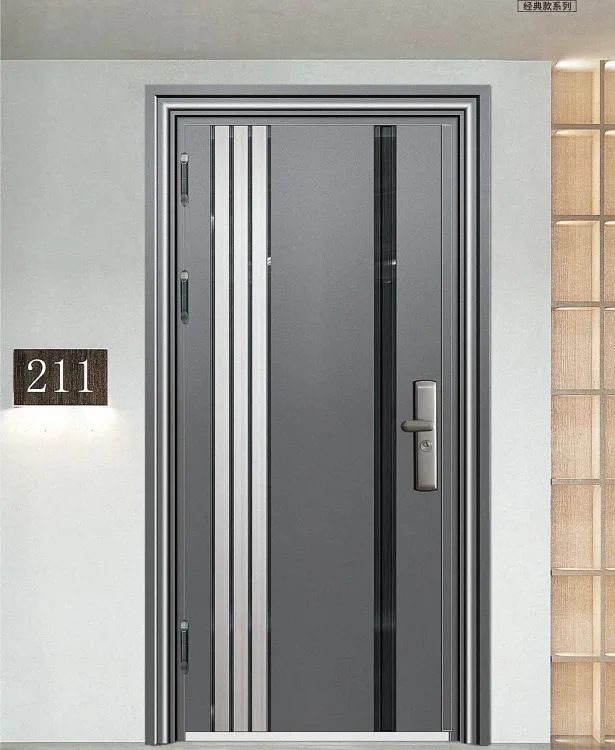
An entrance door prioritizes security and weather resistance. These doors are typically heavier, often constructed from solid wood, fiberglass, or steel, and they require a rough opening that accounts for thicker frames, weatherstripping channels, and robust hinges. The framing must be exceptionally plumb and square because even minor deviations create gaps that compromise both insulation and lock alignment. Interior panel doors, by contrast, focus on aesthetics and room division. They’re lighter, come in various styles from flat panels to raised designs, and demand less structural reinforcement in the rough opening—though precision still matters for smooth operation and a clean visual line. Then there’s the aluminum alloy sliding system, which operates on an entirely different principle. Instead of swinging on hinges, these doors glide along tracks, meaning the rough opening must accommodate not just the door panels but also the track housing and adequate header support for the wider span these systems typically require.
Comparing Entrance Doors, Interior Panels, and Sliding Systems
Entrance doors excel at protecting your home—they resist forced entry, block noise, and seal against weather. However, their weight demands stronger jack studs and headers, and the rough opening must be precise enough to allow proper threshold installation. Interior panel doors offer design flexibility at lower cost, working well for bedrooms, bathrooms, and closets. Their lighter weight means standard framing suffices, but homeowners often underestimate the clearance needed for decorative casings. Aluminum alloy sliding systems maximize space efficiency since they don’t require swing clearance, making them ideal for patios, tight hallways, or modern open-concept transitions. The trade-off is that their rough openings tend to be wider and require perfectly level floors and headers to prevent the panels from binding on their tracks. Matching your door type to your home’s specific needs—whether that’s security at an entry point, style between living spaces, or functionality in a compact layout—ensures your rough opening setup starts with the right parameters from day one.

The Essentials of a Rough Opening for a 36 Inch Door
A rough opening is the framed gap in your wall studs where a door unit will be installed. Think of it as the skeleton that holds everything together—the door frame, shims, insulation, and hardware all depend on this opening being correctly sized and squared. For a standard 36 inch door, the rough opening isn’t simply 36 inches wide. It must account for the door frame (also called the jamb), shimming space, and minimal clearance to allow the door to operate freely without binding or leaving excessive gaps.
The standard rough opening for a 36 inch door measures 38 inches wide by 82 inches tall. This provides one inch of shimming space on each side and two inches of clearance above the door for the head jamb and adjustments. These tolerances aren’t arbitrary—they represent the minimum space needed to plumb and level the frame within the opening while leaving room for seasonal wood movement. Going too tight, even by a quarter inch, makes installation nearly impossible without shaving framing members. Going too wide creates instability, requiring excessive shimming that can bow the jamb and cause latch misalignment over time.
Before starting, gather your essential tools and materials: a reliable tape measure, four-foot level, framing square, pencil, circular saw, hammer or nail gun, 2×4 or 2×6 lumber for studs and headers, and construction-grade shims. Suppliers like GeorgeBuild carry the full range of framing lumber, shims, and door hardware you’ll need in one place. A laser level is worth the investment for ensuring your king studs and jack studs are perfectly vertical, which ultimately determines whether your finished door swings smoothly or fights you every time it opens.
Step-by-Step Measurement and Planning Guide
Start by confirming your actual door unit dimensions—don’t assume a “36 inch door” measures exactly 36 inches. Remove the door from packaging if possible and measure the full frame assembly width and height, including any pre-attached brickmold or casing. Add your clearance gaps (typically one inch per side and two inches on top) to determine the final rough opening size. Next, examine your wall structure. In a 2×4 wall, your jack studs and king studs occupy 3 inches of depth, while a 2×6 wall provides a deeper frame pocket that affects how your jamb extensions sit. Mark the rough opening location on both the sole plate and the top plate, measuring from a fixed reference point like an adjacent wall corner to ensure the opening is positioned exactly where intended.
Check the subfloor for level across the full width of your planned opening. A floor that drops even a quarter inch from one side to the other will make the door hang unevenly, causing it to swing open or closed on its own. If you discover a slope, plan to correct it with tapered shims beneath the jamb before installation rather than fighting it afterward. One of the most common planning pitfalls is forgetting to account for finished flooring. If you’re installing the rough opening before hardwood, tile, or carpet goes in, you need to calculate the height of that future flooring material and adjust your rough opening height accordingly—otherwise your door will drag or require trimming after the floor is complete.
Common Mistakes in Door Rough Opening Setup and Practical Solutions
Even experienced DIYers fall into predictable traps when framing a rough opening, and each mistake carries a real financial cost. The most frequent error is cutting the opening to the wrong size—usually too small. Homeowners measure the door slab itself at 36 inches and frame accordingly, forgetting that the jamb, shims, and clearance gaps push the required rough opening to 38 inches wide. Correcting an undersized opening after the wall is framed means cutting into studs, potentially compromising structural headers, and adding hours of labor. The fix is straightforward but must happen before framing begins: always base your rough opening on the full pre-hung unit dimensions, not the door panel alone, and add the standard clearance of one inch per side and two inches above.
Misalignment ranks as the second most costly mistake. When king studs lean even slightly out of plumb or the header isn’t perfectly level, the door frame inherits those flaws. The result is a door that binds at the top, swings on its own, or leaves a visible wedge-shaped gap along the jamb. Preventing this requires checking plumb on every stud with a four-foot level—or better yet, a laser level—before nailing anything permanently. If you discover a stud is twisted or bowed, replace it. Trying to shim around warped framing lumber is a temporary patch that always fails once the house settles.
Poor sealing and insulation around the rough opening is a silent budget killer. Homeowners often rush to hang the door and skip the gap between the jamb and framing, leaving pathways for air infiltration, moisture, and even insects. Low-expanding spray foam designed specifically for door and window applications fills these voids without bowing the jamb—never use high-expansion foam, which exerts enough pressure to warp the frame and prevent the door from latching. Finally, ignoring door type specifics causes problems that surface months after installation. An aluminum alloy sliding system installed in a rough opening framed for a hinged door will lack the necessary width for track housing and may have an inadequate header span, leading to sagging tracks and panels that derail. Each door type demands its own framing approach, and treating them interchangeably is a guaranteed path to costly rework.
Detailed Solution Steps to Avoid Installation Errors
Begin every project by measuring twice and recording your numbers on both the lumber and a separate notepad—never rely on memory between the garage and the job site. Measure the pre-hung unit’s full width at the widest point, including any factory-attached brickmold, then add your clearance. Do the same for height, factoring in any finished flooring that hasn’t been installed yet. When framing, cut jack studs and king studs from the straightest lumber you can find, sighting down each board before purchasing to reject any with significant crowns or twists.
Once your studs are in position, use shims in pairs—one thin end facing up, the other facing down—to create a flat, adjustable bearing surface behind each hinge location and the strike plate. Tighten shims until snug but not forced; over-shimming bows the jamb inward and creates a latch that won’t catch. After shimming, confirm that the jamb is plumb on both sides and that the head jamb is level. Open the door to a 45-degree angle and release it—if it stays in place, your frame is true. If it drifts open or closed, adjust your shims until the door holds its position.
For aluminum alloy sliding systems, ensure the sill track is installed on a perfectly level surface. Use a six-foot level across the full opening width and pack any low spots with non-compressible shims before securing the track. The header above a sliding system often spans a wider distance than a standard hinged door, so verify that your header size meets local building code for that span—a doubled 2×8 or 2×10 is common for openings over four feet. Selecting materials that match your door type from the start, rather than retrofitting standard framing, eliminates the most expensive errors and ensures your installation performs reliably for decades.
Precise Planning Ensures a Perfect Door Installation Every Time
Getting a rough opening right for a 36 inch door—or any door—comes down to respecting the details that seem minor but carry major consequences. The standard 38-by-82-inch rough opening exists for good reason, providing the clearance needed for shimming, leveling, and seasonal movement without leaving room for drafts or instability. Every door type, from a heavy entrance door to a lightweight interior panel door to an aluminum alloy sliding system, brings its own framing demands that you must address before the first stud goes in, not after the drywall is hung.
The most expensive mistakes—undersized openings, out-of-plumb framing, skipped insulation, and mismatched framing for the chosen door type—are all preventable through careful planning and disciplined execution. Measure your actual door unit, not just the nominal size. Check every stud for plumb. Verify your floor is level. Account for finished flooring height. These steps cost nothing but time, yet they eliminate repairs that run into hundreds or thousands of dollars. Whether you’re tackling a straightforward bedroom door replacement or framing a custom entryway, apply these principles from the start. Your future self—and your wallet—will thank you when that door swings perfectly on the first try and continues to do so for years to come.