

You have 45 minutes between your last meeting and school pickup. There’s a work dinner at seven, and somewhere in the margins of your day, you’re supposed to exercise. Sound familiar? For millions of busy professionals, fitness isn’t a question of motivation—it’s a question of math. The hours simply don’t add up. Traditional gym sessions demand travel time, warm-ups, equipment rotations, and cooldowns that can easily consume 90 minutes or more. That’s a luxury most packed schedules can’t afford. Enter Electrical Muscle Stimulation, or EMS—a technology that promises meaningful muscle activation in a fraction of the time. But does it actually deliver? And can it genuinely replace the gym for someone who needs results but can’t spare the hours? This article puts EMS head-to-head with traditional workouts, breaking down the science, the time savings, and the practical steps you need to make an informed decision about your fitness routine.
Understanding the EMS Muscle Stimulator: A Modern Fitness Tool
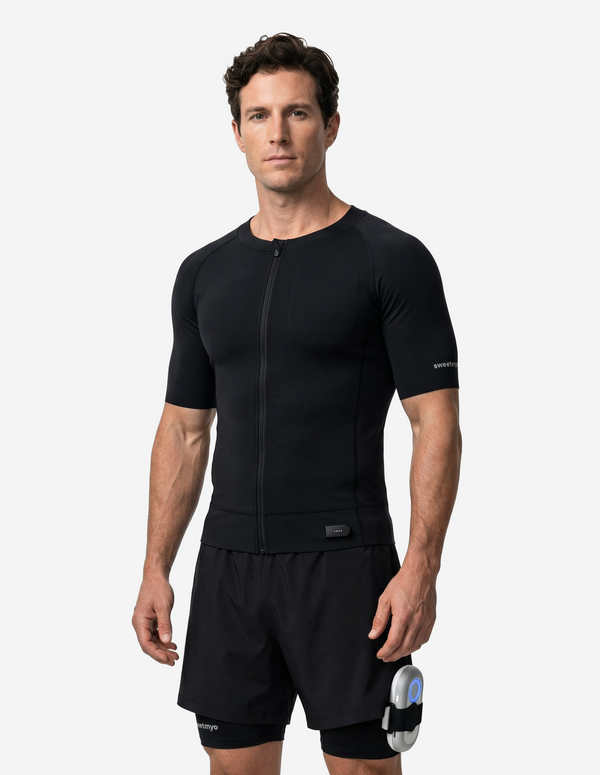
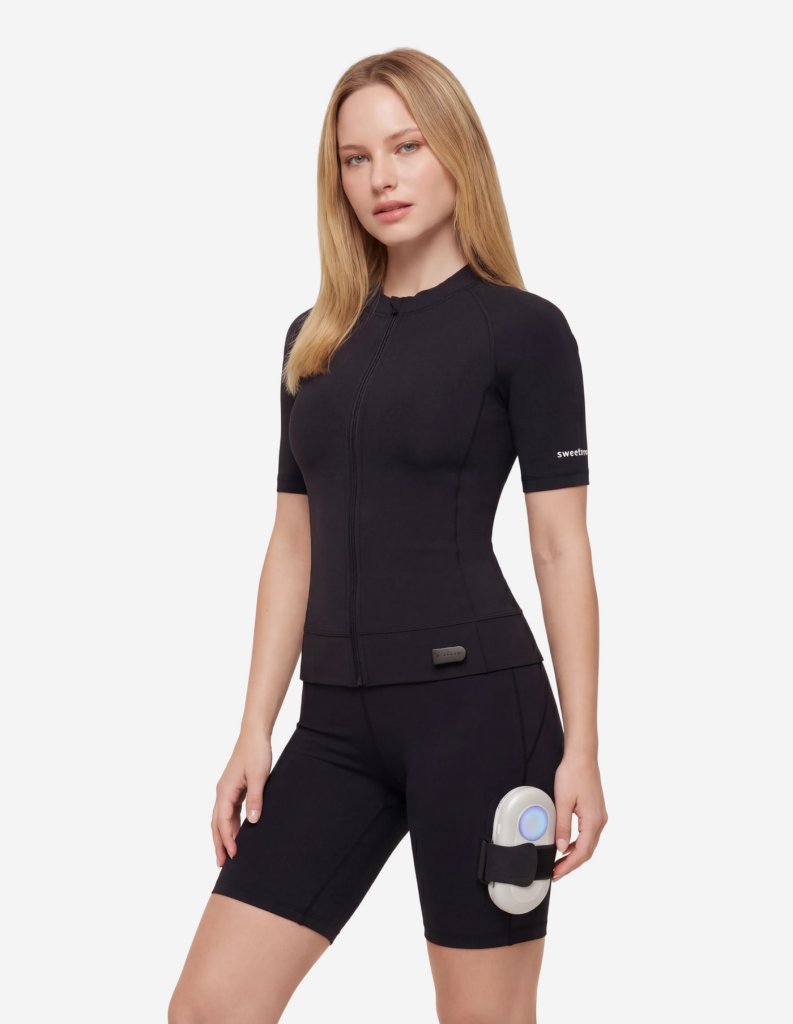
Electrical Muscle Stimulation works by delivering low-frequency electrical impulses through electrode pads placed on the skin, causing muscles to contract involuntarily—mimicking the signals your brain normally sends during exercise. These contractions can reach deep muscle fibers that are often difficult to recruit through conventional movements alone. Originally developed in the 1960s for physical therapy and rehabilitation of injured patients, EMS has since crossed into mainstream fitness as research confirmed its ability to build strength and improve muscle tone in healthy individuals. A typical EMS muscle stimulator consists of a control unit that regulates pulse frequency and intensity, electrode pads that adhere to targeted muscle groups, and either wired connections or Bluetooth-enabled suits that allow freedom of movement during sessions. Modern consumer-grade systems range from compact portable units targeting specific areas to full-body suits that activate multiple muscle groups simultaneously, making the technology increasingly accessible outside clinical settings.
The Time Investment of Traditional Workouts: A Barrier for Busy Lives
Effective traditional strength training typically requires three to five sessions per week, each lasting 45 to 75 minutes of actual exercise—and that’s before you factor in the invisible time tax. Commuting to and from a gym averages 20 to 40 minutes round trip. Changing clothes, waiting for equipment, and cooling down afterward add another 15 to 25 minutes per visit. A single “one-hour workout” can realistically consume nearly two hours of your day. Multiply that across a week, and you’re looking at six to ten hours devoted solely to fitness. For professionals juggling back-to-back meetings, family responsibilities, and unpredictable work demands, that math is brutal. Many start strong in January, only to abandon routines by March when a project deadline or travel schedule disrupts the fragile consistency their program requires. The issue isn’t laziness—it’s structural. Traditional fitness models were designed for people with predictable free time, not for those whose calendars shift daily.
Direct Comparison: How EMS Saves Time Over Traditional Methods
The most striking difference between EMS and conventional training is raw session length. A full-body EMS workout typically lasts 20 minutes, while an equivalent traditional gym session targeting the same muscle groups runs 60 to 90 minutes. That’s not marketing spin—it reflects a fundamental difference in how the muscles are recruited. During a conventional squat, you activate your quads, glutes, and core in sequence, then rest between sets before moving to the next exercise. EMS bypasses this one-at-a-time approach by firing electrical impulses into multiple muscle groups simultaneously. Your chest, back, legs, arms, and core can all contract at once, compressing what would normally require a dozen separate exercises into a single continuous effort. A 2016 study published in the Journal of Strength and Conditioning Research found that participants using whole-body EMS twice per week for 20 minutes achieved comparable strength gains in the legs and core to a control group performing traditional resistance training three times per week for over an hour per session. When you strip away the commute, the equipment transitions, and the extended rest periods, the practical time savings become dramatic—roughly four to six hours reclaimed each week. For core conditioning specifically, EMS excels because it engages the deep stabilizer muscles of the trunk continuously throughout every session, something traditional crunches and planks struggle to replicate with the same consistency and depth of activation.
Addressing Busy Professionals’ Needs with EMS Solutions
The appeal of EMS for time-strapped professionals goes beyond shorter sessions—it’s about adaptability. Unlike gym routines that demand fixed time blocks and specific locations, EMS fits into the irregular rhythms of a demanding career. A 20-minute session can happen in your home office between calls, in a hotel room during a business trip, or early morning before the household wakes up. The key is building a framework that treats EMS not as a rigid program but as a flexible fitness layer you drape over your existing schedule. Start by identifying two to three recurring windows in your week—even if they fall on different days each week. These become your anchor sessions. Then establish a minimum effective dose: research suggests two full-body EMS sessions per week is sufficient to maintain and build strength, meaning you need just 40 minutes of total weekly training time. Finally, pair each session with a clear goal—strength building, core conditioning, or active recovery—so every minute serves a purpose. The following steps break this framework into a practical starting point.
Solution Step 1: Setting Up Your EMS Routine for Maximum Efficiency
Select a full-body EMS system that suits your lifestyle—portable units work best for frequent travelers, while suit-based systems like those offered by sweetmyo offer more comprehensive activation at home. Schedule two to three sessions per week, each lasting 20 minutes, and anchor them to existing habits like your morning coffee or post-work decompression. Block these slots in your calendar as non-negotiable appointments. On weeks when work travel or deadlines compress your availability, prioritize two sessions over skipping entirely. Consistency at a lower frequency always beats sporadic intensity.
Solution Step 2: Leveraging Mya AI Coach for Smart Intensity Adaptation
Mya AI Coach removes the guesswork from EMS training by analyzing your real-time feedback and automatically adjusting stimulation intensity to match your current capacity. If you’re fatigued from a long workday, the system dials back to an effective but sustainable level. On days when you’re well-rested, it pushes intensity higher to drive progressive overload—the fundamental mechanism behind strength gains. This automated personalization means you don’t need a trainer’s expertise to ensure each session is optimally challenging, making solo workouts at home just as productive as guided studio sessions.
Enhancing Results with Technology: Mya AI Coach and Intensity Adaptation
The biggest risk with any self-directed fitness program is stagnation—doing the same thing at the same level until your body stops responding. AI-driven tools like Mya AI Coach address this by turning every EMS session into a data point that informs the next one. The system tracks your performance across sessions, monitoring how your muscles respond to specific frequencies and pulse widths, then adjusts future protocols to ensure progressive overload occurs at a pace your body can handle. This matters because intensity adaptation is the engine behind continuous improvement. When stimulation stays static, muscles adapt and gains plateau within weeks. Mya AI Coach counteracts this by incrementally increasing demands on targeted muscle groups while keeping the overall session within safe parameters—reducing the risk of overstimulation or muscle fatigue that could sideline your training. For core conditioning, this is particularly valuable. The deep stabilizer muscles of the trunk respond best to graduated increases in activation depth, something manual adjustment rarely achieves with precision. The AI also factors in recovery signals, spacing higher-intensity core work appropriately so that connective tissue and smaller stabilizer muscles have time to rebuild. The result is a self-correcting system that mimics having a knowledgeable personal trainer present at every session, without the scheduling constraints or cost of one.
Fitness Outcomes: Strength Building and Core Conditioning with EMS
EMS distinguishes itself by recruiting high-threshold motor units—the deep muscle fibers your body typically reserves for maximal effort—right from the first impulse. During traditional lifting, your nervous system activates smaller, slow-twitch fibers first and only calls on fast-twitch fibers when the load becomes heavy enough. EMS skips that hierarchy, delivering current directly to both fiber types simultaneously, which accelerates strength development even at moderate perceived effort levels. For core conditioning, the difference is especially pronounced. Conventional ab exercises like crunches primarily target the rectus abdominis, the superficial “six-pack” muscle, while often neglecting the transverse abdominis and internal obliques that stabilize the spine under load. EMS electrodes placed across the trunk activate these deeper layers with sustained contractions throughout the entire session, building functional core strength that translates to better posture, reduced back pain, and improved athletic performance. To focus on specific muscle groups, adjust electrode placement and increase pulse intensity for the target area while keeping surrounding groups at a maintenance level. This selective emphasis lets you address weak points—tight hip flexors, underdeveloped glutes, or lagging upper-back strength—without restructuring your entire workout.
Practical Guide: Implementing EMS into Your Busy Lifestyle
Getting started with EMS requires a brief orientation period rather than a steep learning curve. During your first session, begin at the lowest intensity setting to familiarize yourself with the sensation of involuntary contractions, then gradually increase over subsequent workouts as your comfort grows. Always perform a quick safety check before each session: ensure electrode pads are clean and properly adhered, avoid placing them over the heart or on broken skin, and confirm your device firmware is current. While EMS delivers impressive standalone results, combining it with two brief traditional movement sessions—a 15-minute bodyweight circuit or a brisk walk—amplifies cardiovascular benefits that electrical stimulation alone doesn’t fully address. A practical weekly schedule for a busy professional might look like this: Monday and Thursday, 20-minute full-body EMS sessions at home; Wednesday, a 15-minute lunchtime walk or bodyweight routine; weekends, one optional active recovery EMS session at reduced intensity. Track your progress through your device’s app or a simple journal noting intensity levels, targeted muscle groups, and how you felt afterward. This log becomes invaluable for spotting plateaus early and adjusting your approach before momentum stalls.
Reclaim Your Time: Why EMS Is the Smarter Fitness Strategy
The fitness equation for busy professionals has always been unforgiving: meaningful results demand significant time, and time is the one resource you can’t manufacture. EMS fundamentally changes that equation. By activating multiple muscle groups simultaneously and eliminating the overhead of gym commutes, equipment rotations, and extended rest periods, a 20-minute EMS session delivers strength and core conditioning benefits that rival workouts three to four times longer. That translates to roughly four to six hours returned to your week—hours you can redirect toward family, career, or simply rest. The technology has matured well beyond its rehabilitation origins, and AI-driven tools like sweetmyo’s Mya AI Coach now ensure that every session adapts intelligently to your body’s readiness, keeping you progressing without the risk of plateaus or overtraining. None of this means traditional exercise is obsolete. Walking, stretching, and bodyweight movements still play a valuable supporting role. But as the cornerstone of a time-efficient fitness strategy, EMS stands in a category of its own. If your schedule has been winning the battle against your health goals, it may be time to stop fighting on the gym’s terms. Explore an EMS solution that fits your life, start with two sessions a week, and let the results—not the calendar—dictate what’s possible.
