

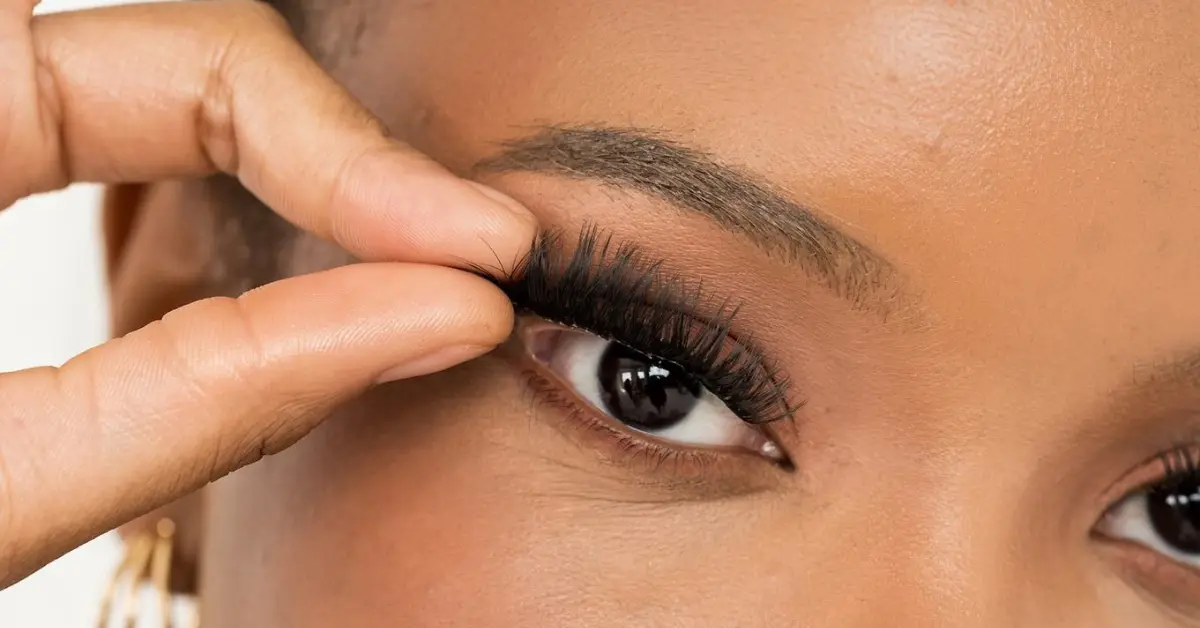
The eyelash extension industry has experienced remarkable growth over the past decade, becoming one of the most sought-after services in professional beauty salons worldwide. Clients no longer settle for basic mascara when they can walk out of a salon with stunning, long-lasting lashes that frame their eyes beautifully. Yet for beauty professionals, navigating the vast market of lash products presents a genuine challenge: finding extensions that look naturally long, feel comfortable, and consistently deliver results that keep clients coming back.
Not all lashes are created equal. The difference between a mediocre set and an exceptional one often comes down to the quality of the extensions themselves. Professionals need products that balance aesthetics with performance — lashes that appear effortlessly natural while withstanding the demands of daily wear. So what truly defines the best natural long lashes for professional use? This article explores the essential types of eyelash extensions available, the criteria for selecting the right options, where to source premium supplies, and practical application techniques — giving beauty professionals the knowledge they need to elevate their craft and build a thriving salon reputation.
The Fundamentals of Natural Long Lashes for Professional Success
In the context of eyelash extensions, “natural long lashes” refers to extensions designed to enhance length and volume while maintaining a believable, organic appearance. These lashes typically feature lightweight construction, a subtle sheen that mirrors real lashes, and tapered tips that blend seamlessly with a client’s existing lashes. Unlike heavier or overly dramatic alternatives, natural long lashes move and flex in ways that feel comfortable throughout the day, making them suitable for a wide range of clients and occasions.
For beauty professionals, investing in premium-quality extensions is not simply a preference — it’s a business necessity. Clients who leave the salon with lashes that look stiff, plasticky, or unnatural rarely return, and negative word-of-mouth can quietly erode a salon’s reputation. High-quality natural lashes, by contrast, generate consistent compliments and encourage repeat bookings. They also reduce application time because they adhere more reliably and require fewer adjustments during placement.
Two of the most common complaints professionals hear involve lashes that look fake and extensions that cause irritation or discomfort. Both issues trace back to material quality and design. Natural long lashes crafted from fine, flexible fibers sit closer to the lash line without creating tension, minimizing the risk of discomfort or premature shedding. Choosing extensions built with these qualities allows professionals to confidently deliver results that satisfy diverse client expectations while reinforcing the standard of excellence that defines a reputable salon.
Exploring Key Types of Eyelash Extensions: Materials and Styles
Understanding the distinct categories of eyelash extensions empowers professionals to match the right product to each client’s unique needs. Material composition, finish, and construction all influence how extensions perform in real-world conditions, and knowing these differences separates knowledgeable technicians from average ones.
Cashmere Lashes: For Ultra-Softness and a Natural Look
Cashmere lashes are crafted from exceptionally fine fibers that closely replicate the texture and weight of natural human lashes. Their defining characteristic is a softness that makes them virtually undetectable once applied — clients often describe wearing them as feeling like nothing is there at all. This lightweight quality makes cashmere extensions particularly well-suited for clients with sensitive eyes or those who have previously experienced discomfort with heavier alternatives. Their flexibility allows them to move naturally with the client’s own lashes, reducing tension on the lash line and extending wear time. For professionals, cashmere lashes are an ideal choice when clients request subtle, everyday enhancement without obvious artificiality.
Volume Lashes: Creating Fuller, Dramatic Effects
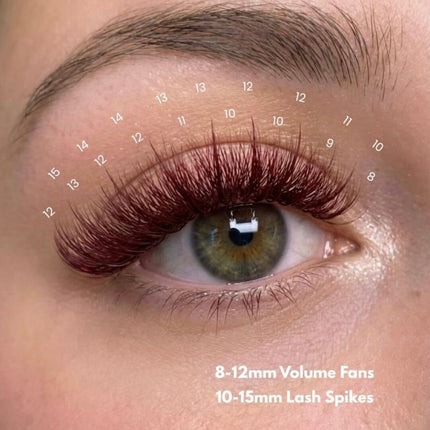
Volume lashes involve applying a fan of multiple ultra-thin extensions to a single natural lash, building density and fullness that classic single-extension methods cannot achieve. Despite the dramatic result, quality volume lashes remain lightweight enough to avoid stressing the natural lash. They work exceptionally well for clients with sparse or fine natural lashes who desire a bolder look, as well as for those preparing for special events. The key is selecting extensions with adequate thinness — typically 0.05mm to 0.07mm — so the cumulative weight stays manageable while delivering visible impact.
Matte Lashes: Achieving a Subtle, Elegant Finish
Matte lashes feature a non-reflective surface finish that eliminates the plastic sheen sometimes associated with standard synthetic extensions. This quality gives them an understated elegance that resonates strongly with clients seeking a polished, everyday look rather than high-drama glamour. In professional settings, matte extensions are increasingly popular because they photograph naturally and complement a wide range of skin tones and personal styles without appearing overdone.
How to Choose the Best Natural Long Lashes: A Step-by-Step Guide for Professionals
Selecting the right extensions begins with understanding the materials available. Synthetic PBT fibers dominate the professional market because they hold their curl reliably and resist humidity better than natural alternatives. However, not all synthetic lashes are equal — higher-grade PBT fibers produce a softer, more flexible extension that behaves more like real hair, while lower-grade options feel stiff and look obviously artificial. When evaluating any new product, request samples and physically test them by bending the fibers between your fingers. Quality extensions spring back without creasing, while inferior ones stay deformed.
Curl type significantly shapes the final result. C curls remain the most universally flattering, opening the eye naturally without appearing theatrical. D curls deliver more dramatic lift and work well for clients with downward-pointing natural lashes. L curls suit clients with monolid or hooded eye shapes, where a sharp base angle is necessary for visibility. Matching curl type to eye shape rather than defaulting to a single option elevates results across your entire client base.
Length and thickness selection should follow the client’s natural lash condition. A general rule: extensions should not exceed 2–3mm beyond the client’s natural lash length, as longer extensions create leverage that accelerates shedding. For thickness, classic applications typically use 0.15mm to 0.20mm extensions, while volume fans require 0.05mm to 0.07mm to keep cumulative weight safe for natural lashes.
Before finalizing any supplier relationship, confirm that products carry allergen-free certifications and have been tested for formaldehyde content. Clients with sensitivities will specifically ask about this, and having certified products ready signals professionalism. Always conduct a patch test with new clients using your chosen adhesive and extension material at least 24 hours before a full application to eliminate avoidable reactions.
Top Sources for Premium Eyelash Extensions: Accessing High-Quality Supplies
Knowing what to look for in an extension is only half the equation — knowing where to find it matters just as much. For beauty professionals, sourcing premium natural long lashes requires a deliberate approach rather than simply ordering from the first supplier that appears in a search result. Established wholesale distributors such as Stacy Lash, Lashify, SenseLashes, and Borboleta have built strong reputations among salon professionals for consistent quality and reliable inventory. Newer brands entering the market can also deliver excellent products, but they warrant closer scrutiny before committing to bulk orders.
When evaluating any supplier, start by requesting a sample kit before placing a large order. Examine the fibers under good lighting, test their flexibility, and run a trial application to assess adhesion and curl retention. Certifications matter here — look specifically for ISO-certified manufacturing, cruelty-free labeling, and documentation confirming the absence of formaldehyde or other common irritants. Verified customer reviews from working lash technicians, rather than general consumers, offer the most relevant performance feedback.
Industry trade shows such as Premiere Orlando and International Beauty Show New York provide direct access to suppliers, live product demonstrations, and the opportunity to compare multiple brands side by side in a single visit. For ongoing discovery between events, professional platforms like Beauty Launchpad and dedicated lash technician communities on social media regularly surface emerging brands and honest peer reviews. Building relationships with two or three trusted suppliers rather than constantly switching sources creates pricing consistency and ensures product availability during high-demand periods.
Application Tips and Best Practices for Flawless Results
Even the finest extensions underperform when application technique falls short. Begin every appointment with thorough lash preparation: cleanse natural lashes with an oil-free primer to remove residue that compromises adhesive bonding. Choose an adhesive matched to your working environment — humidity and temperature directly affect cure time, so keep a hygrometer in your workspace and adjust accordingly.
Proper isolation is non-negotiable. Use two tweezers to separate each natural lash completely before attaching an extension, preventing multiple lashes from bonding together, which causes discomfort and premature shedding. When placing extensions, aim for contact 1mm from the lash root — close enough for secure adhesion but far enough to avoid touching the skin. The most common mistakes professionals make include using too much adhesive, which creates clumping, and applying extensions to lashes that haven’t fully isolated, which leads to sticking. Less adhesive, applied precisely, consistently outperforms heavier application.
For aftercare, provide every client with written instructions: avoid water and steam for the first 24 hours, sleep on a silk pillowcase to reduce friction, and brush lashes daily with a clean spoolie. Recommend infill appointments every two to three weeks to maintain fullness. These habits significantly extend wear time and keep clients returning consistently.
Elevating Your Lash Business Through Knowledge and Quality
Building a successful lash business starts with understanding what truly makes extensions exceptional. Throughout this article, we’ve explored how natural long lashes — defined by their lightweight construction, realistic texture, and flexible durability — form the foundation of client satisfaction and salon reputation. From the ultra-soft comfort of cashmere lashes to the bold fullness of volume fans and the understated elegance of matte finishes, each extension type serves a distinct purpose that skilled professionals can match to individual client needs.
Selecting the right product means evaluating materials, curl types, and thickness with intention rather than habit. Sourcing from reputable suppliers, verifying certifications, and testing products before committing to bulk orders protects both your clients and your business. Pairing premium extensions with precise application technique — proper isolation, correct adhesive use, and thorough aftercare guidance — transforms good products into outstanding results.
The professionals who consistently stand out in this industry are those who never stop refining their knowledge. Stay current with emerging materials and techniques by attending trade shows, engaging with professional communities, and regularly reassessing your product choices. Apply the insights from this guide to make more confident sourcing and application decisions, and your clients will notice the difference — returning not just for beautiful lashes, but for the expertise and care that only a dedicated professional can provide.
