

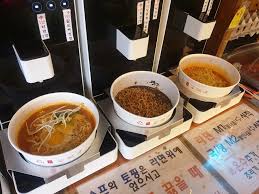
A decade ago, getting authentic Korean ramen outside of Asia meant hunting through specialty grocery stores, assuming your city even had one. Today, the same products arrive on doorsteps worldwide within days, ordered with a few taps on a phone. Behind that shift sits a powerful combination of e-commerce technology and smart distribution that has turned a once-exotic product into an everyday click-to-buy staple.
The story of how a packet of noodles travels from a factory near Seoul to a shopper’s cart in another hemisphere is, at its core, a technology story. Online marketplaces, efficient logistics and data-driven recommendations have collapsed the distance that once kept Korean ramen out of reach.
The marketplace advantage
Global online marketplaces did the heavy lifting of distribution. By giving brands a digital storefront with worldwide reach, platforms like Amazon removed the need for physical retail presence in every market. Products that might never have earned shelf space in a given supermarket could now find their audience directly, wherever that audience happened to live.
The Korean ramen category has used this channel especially well. Established names like Nongshim, Samyang and Ottogi are widely available online, frequently in convenient multipacks and variety bundles, which makes their products easy to find, easy to compare and easy to reorder. Shoppers searching for Korean instant ramen encounter a deep selection, supported by thousands of reviews that reassure first-time buyers and reinforce the loyalty of returning ones.
Logistics that keep it fresh
Behind every quick delivery sits a sophisticated logistics network. Modern fulfillment centers use automated sorting, real-time inventory tracking and predictive stocking to keep popular items available and ready to ship. For food products, this precision is essential, since freshness and shelf life leave little margin for slow or careless handling.
Cross-border shipping has also grown dramatically more efficient. Consolidated freight, streamlined customs and regional distribution hubs have cut both delivery times and costs. What once took weeks now often arrives in days at a reasonable price, removing the biggest historical barrier to buying imported food and making international favorites feel entirely local.
Data drives discovery
Perhaps the most powerful force in the category’s online growth is the recommendation engine. When a shopper buys one Korean noodle product, algorithms surface related items, introducing them to flavors and brands they might never have found in a physical store. A single purchase can open the door to an entire category, each suggestion fine-tuned by aggregated purchase data.
This creates a responsive feedback loop. Every order, search and review feeds insight back to sellers, revealing which products resonate in which regions and where untapped demand exists. That intelligence guides inventory and marketing, allowing a flavor that goes viral in one country to be stocked and promoted in another within weeks.
Content closes the loop
Technology solves delivery, but discovery still depends on information. Shoppers facing an unfamiliar product want to know how to cook it, how spicy it is and which variety to choose first. Detailed online guides, reviews and rankings fill that gap, functioning as a knowledgeable store associate available at any hour and converting hesitant browsers into confident buyers.
For consumers, all of this complexity disappears into a simple experience: see a product online, order it, and enjoy it within days. But that simplicity rests on layers of e-commerce innovation that have rewritten how food reaches the world. The Korean ramen category’s command of the online shelf is a quiet showcase of just how far digital commerce has come, and of how global reach became everyday convenience.
