

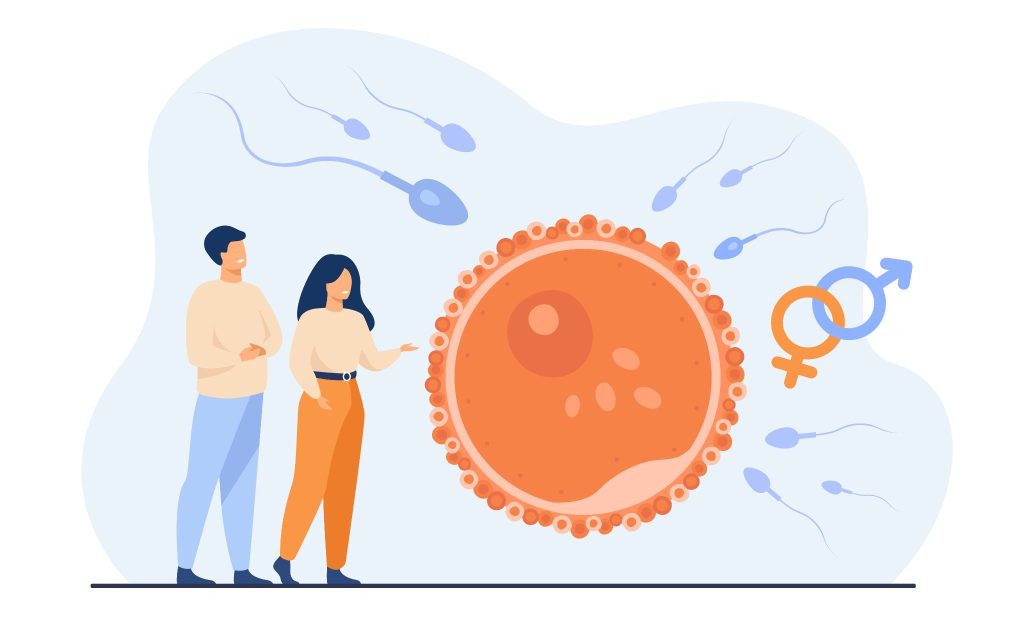
For many women today, life doesn’t always have a timetable. Careers are established later, relationships form at different times, and personal goals change. Meanwhile, fertility naturally declines with age, leading more women to seriously consider preserving their future options.
In this context, egg freezing has become an important option in fertility care. It allows women to bank healthy eggs for future use when they are ready emotionally, physically, or financially to plan a pregnancy.”
But a common question is: What is the right age to freeze eggs?
The answer isn’t the same for everybody. Medical history, lifestyle, fertility health, and future family plans all play a part. Understanding how age affects egg quality can help women make less stressful, more informed decisions about fertility preservation.
What Is Egg Freezing?
Egg freezing, or oocyte cryopreservation, is a method of fertility preservation in which a woman’s eggs are removed, frozen, and stored for later use.
The usual treatment involves giving hormones to stimulate the ovaries to produce several mature eggs. After a short medical procedure, the eggs are ready, retrieved, and preserved using advanced freezing techniques.
Eggs can be fertilized and frozen for use later, when a woman wants to try to become pregnant.
Egg freezing is now available at many fertility clinics as part of their advanced reproductive care. Femcare Fertility offers fertility preservation support, including specialist guidance, state-of-the-art lab facilities, and personalized treatment plans for women considering future family planning.
Why Are More Women Considering Egg Freezing?
The reasons are deeply personal and often very practical.
Some women are career-focused and not ready to be parents in their twenties. Maybe others haven’t found the right partner. Other medical conditions, such as PCOS, endometriosis, autoimmune disorders, or cancer treatments, can affect fertility sooner than expected.
For some women, egg freezing is just emotionally relieving. It removes the pressure of being rushed into major life decisions based on biology.
Awareness of fertility preservation has increased tremendously over the last few years. Instead of waiting for fertility problems to emerge later in life, women are taking a more proactive approach to reproductive health.
Why Age Matters in Egg Freezing
Age is one of the biggest factors affecting fertility.
Women are born with a fixed number of eggs, and both the quantity and quality gradually decline over time. This decline becomes more noticeable after the age of 35.
Egg freezing works best when healthier and younger eggs are preserved earlier. Younger eggs generally have:
- better quality
- stronger implantation potential
- lower chromosomal abnormality risk
This does not mean that women over 35 cannot freeze their eggs. Many do. However, the number of eggs needed for future pregnancy success may be higher, as egg quality naturally declines with age.
That is why fertility specialists often encourage women to learn about their fertility health before waiting too long.
What Is Considered the Best Age for Egg Freezing?
There is no “perfect” age that applies to every woman, but medically, the late twenties to early thirties are often considered the most favorable period for egg freezing.
Egg Freezing in the 20s
Women in their twenties generally have very good egg quality and ovarian reserve. However, not everyone in this age group needs to freeze eggs immediately.
In many cases, doctors may simply recommend fertility assessment and monitoring unless there is:
- Family history of early menopause
- Medical treatment affecting fertility
- Severe endometriosis
- Ovarian surgery history
Egg Freezing Between 30 and 35
This is commonly viewed as the most practical window for many women.
Egg quality is still relatively good during this period, while life circumstances often become clearer. Many women begin thinking more seriously about long-term family planning during these years.
Success rates with frozen eggs are generally higher when freezing is done before age 35 than later.
Egg Freezing After 35
Women over 35 can still freeze their eggs, and many do so successfully. However, fertility specialists may recommend freezing a higher number of eggs because egg quality naturally declines faster after this age.
The treatment approach may also become more personalized depending on:
- AMH levels
- ovarian reserve
- hormonal profile
- previous fertility history
Signs Women Should Consider Learning About Egg Freezing
Delayed Parenthood Plans
Today, women are delaying childbearing to pursue career goals, pursue education, plan finances, or address personal circumstances. In these cases, egg freezing may help to preserve reproductive flexibility for the future.
Medical Conditions Affecting Fertility
Conditions like:
- PCOS
- endometriosis
- autoimmune disorders
- ovarian cysts
can sometimes impact fertility over time. Early fertility assessment can help women better understand their options.
Family History of Early Menopause
If a mother or close relative experienced early menopause, fertility decline may happen earlier than expected.
Cancer Treatment or Surgery
Chemotherapy, radiation, and certain surgeries can affect ovarian function. Egg freezing is often recommended before starting treatment when possible.
Repeated Fertility Concerns
Women who already have low AMH levels or reduced ovarian reserve may also consider fertility preservation earlier.
Does Egg Freezing Guarantee Pregnancy Later?
This is one of the most important conversations around fertility preservation.
Egg freezing improves future fertility prospects, but no fertility treatment can ethically guarantee pregnancy. Several factors determine success, such as:
- Age of egg at freezing time
- egg quality
- general reproductive health later
- Responsible fertility care always involves honest guidance and clear communication.
Responsible fertility care always involves realistic guidance and transparent communication.
That is why choosing a fertility center that focuses on ethical, patient-centered treatment becomes important during such emotional decisions.
What Happens During the Egg Freezing Process?
Many women feel nervous because they assume the procedure is extremely complicated. In reality, the process is structured and medically supervised in a step-by-step manner.
Initial Fertility Assessment
The journey usually starts with:
- hormone testing
- ultrasound scans
- ovarian reserve evaluation
- medical history discussion
This helps fertility specialists understand whether egg freezing is suitable and how treatment should be planned.
Ovarian Stimulation
Hormonal medications are given for several days to help the ovaries produce multiple mature eggs.
Patients are monitored closely through scans and blood tests during this stage.
Egg Retrieval Procedure
Once the eggs are ready, they are collected through a short, minimally invasive procedure performed under sedation.
Most women return home the same day.
Freezing and Storage
The eggs are frozen when they are mature, using a cutting-edge rapid-freezing process called vitrification to preserve their quality for future use.
Specialized embryology laboratories in centers of advanced reproductive care are important for ensuring the highest standards of storage and handling.
Emotional Aspects of Egg Freezing
The emotional side of fertility preservation is often neglected.
For some women, the relief of having their eggs frozen relieves the pressure of timelines on their fertility. Others may find themselves emotionally overwhelmed in making the decision.
Both responses are normal.
Supportive fertility care matters because these are deeply personal decisions. Women should feel informed, respected, and emotionally supported, not pressured into treatment.
This is critically important for women with existing fertility problems, hormonal disorders or recurrent reproductive problems.
The Role of Fertility Consultation in Helping Women Make Better Choices
One of the biggest misconceptions is that women must make an immediate decision after learning about egg freezing.
In reality, fertility consultation is often about understanding current reproductive health first.
A fertility specialist may assess:
- ovarian reserve
- age-related fertility changes
- hormonal health
- reproductive goals
- future family planning expectations
Sometimes women move ahead with freezing. Sometimes they simply monitor fertility for a few years. The right approach depends on individual circumstances, not social pressure.
Choosing the Right Fertility Center for Egg Freezing
Fertility preservation is both a medical and emotional decision. Women should look for fertility centers that focus on:
- transparent treatment guidance
- experienced fertility specialists
- advanced embryology support
- ethical reproductive care
- personalized treatment planning
It also helps if clinics provide good counseling and do not rush patients into procedures.
At Femcare Fertility, we offer fertility preservation services with individual consultations, advanced reproductive technology, and patient-focused care to empower women to make informed decisions with respect to their future fertility options.
Final Thoughts
There is no single age that fits every woman when it comes to egg freezing. What matters more is understanding fertility health early enough to make informed choices without panic or pressure.
For some women, fertility preservation becomes important in their late twenties. For others, it may happen in their mid-thirties due to changing life plans or medical reasons.
The goal is not fear. The goal is awareness.
Learning about fertility options earlier gives women more time, more clarity, and often greater peace of mind while planning the future on their own terms.
