

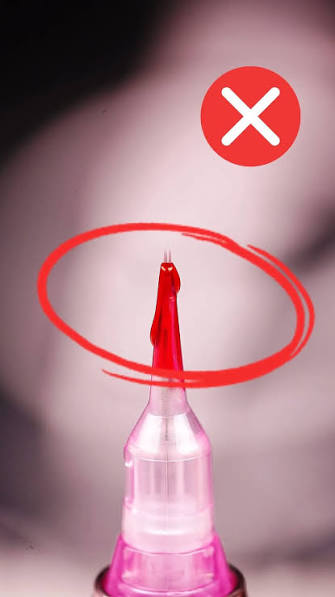
Excessive vibration remains one of the most persistent challenges in modern tattooing. When a needle oscillates beyond its intended range, artists lose the fine control needed for precise linework and smooth shading. Over the course of a long session, that constant tremor compounds into hand fatigue, reducing consistency and potentially compromising the quality of finished pieces. For clients, unnecessary vibration translates to increased discomfort and prolonged healing times due to uneven ink deposition and skin trauma.
BIOMASER needles represent an engineered response to this widespread problem. Designed specifically with low-vibration performance at their core, these cartridges offer tattoo artists a measurable upgrade in stability and control. This article examines how BIOMASER needles compare to traditional options, exploring the patented technology that drives their reduced vibration, the tangible benefits for artists working with rotary machines, and the compatibility advantages that make them a practical choice for professionals seeking smoother, more reliable tools. Whether you’re battling hand fatigue during marathon sessions or struggling with inconsistent needle behavior, understanding this difference could reshape your approach to the craft.
The Critical Role of Vibration in Tattoo Needle Performance
Vibration in tattooing isn’t merely an annoyance—it’s a fundamental variable that determines the quality of every line, shade, and color pack an artist produces. When a needle moves with excessive lateral oscillation, the artist’s hand must constantly compensate, turning what should be a fluid motion into a battle against the tool itself. This struggle directly impacts ink deposition: inconsistent needle depth means pigment enters the skin unevenly, creating patchy saturation that requires additional passes and extends session time.
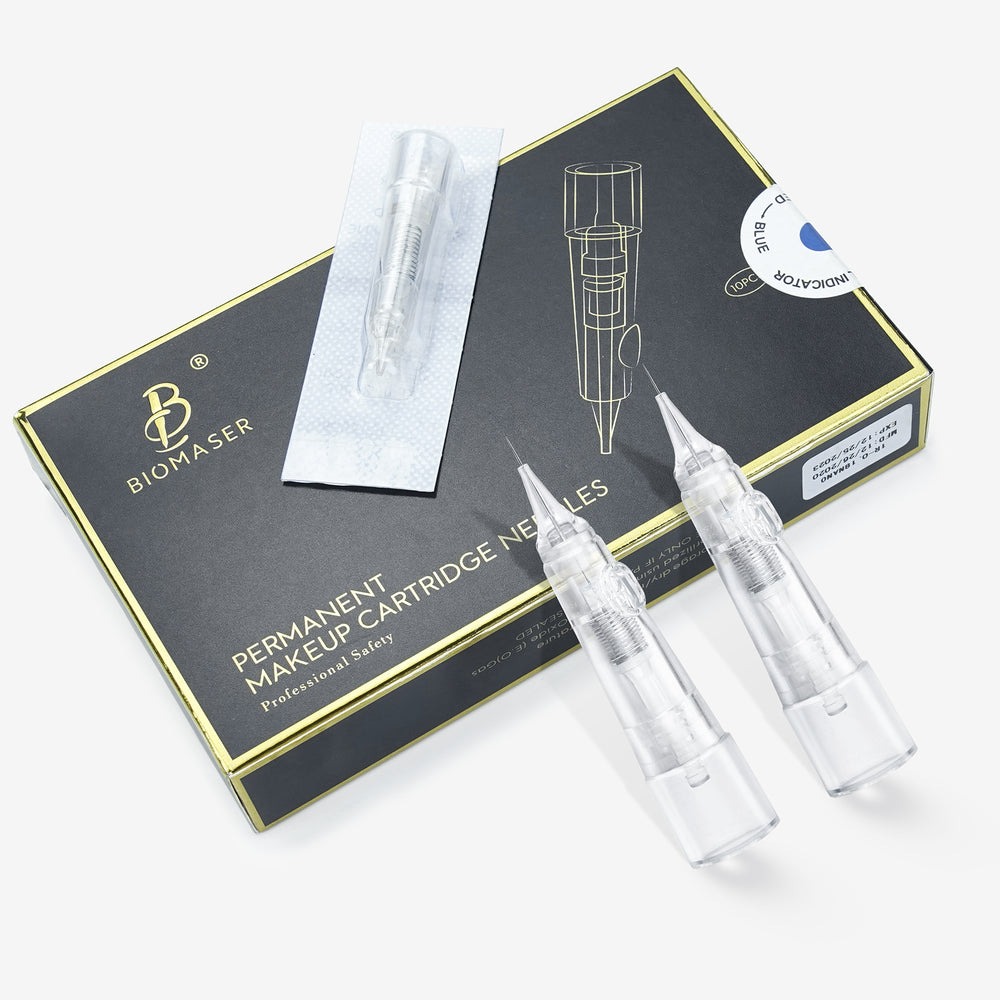
From the client’s perspective, unnecessary vibration increases tissue trauma. Each erratic needle strike damages surrounding skin cells that weren’t part of the intended target area, leading to more swelling, prolonged redness, and slower healing. For the artist, accumulated vibration over hours of work manifests as grip fatigue, reduced dexterity, and diminishing precision—exactly when steady hands matter most during detail-heavy finishing work.
Low-vibration performance has therefore become a defining characteristic of professional-grade equipment. Needles engineered to minimize oscillation allow artists to work with the machine rather than against it, maintaining consistent depth and spacing throughout extended sessions. Traditional needles, designed before rotary technology matured, often lack the structural refinements needed to deliver this stability, creating a gap that purpose-built solutions like BIOMASER cartridges aim to fill.
Traditional Tattoo Needles: Understanding Their Limitations
Traditional tattoo needles were originally engineered for coil machines, where electromagnetic force drives a rigid armature bar in a predictable up-and-down motion. These needles typically feature soldered groupings mounted on a straight bar, with configurations that worked adequately within the mechanical parameters of coil-driven systems. However, as rotary machines have become the industry standard for their lighter weight and quieter operation, these legacy needle designs reveal significant shortcomings when paired with motor-driven mechanisms.
The primary issue lies in how traditional needles interact with rotary cam systems. Because they weren’t designed for the specific oscillation patterns of rotary motors, they often amplify lateral movement rather than dampening it. The connection points between needle bar and cartridge housing lack the precision tolerances needed to absorb micro-vibrations, allowing energy to transfer directly into the artist’s hand. Material choices compound this problem—standard surgical steel bars without vibration-dampening modifications transmit every frequency generated by the motor.
Compatibility presents another persistent challenge. Many traditional cartridges fit loosely in universal grips, introducing play that worsens at higher speeds. Artists frequently report needing to adjust voltage settings repeatedly to compensate for inconsistent needle behavior, disrupting workflow and creative focus. These accumulated limitations—excess vibration, poor rotary compatibility, and unreliable performance at varied speeds—represent exactly the unmet needs that have driven demand for purpose-engineered alternatives in the professional tattoo community.
BIOMASER Needles: Innovation Driven by Patented Technology
BIOMASER needles emerged from a focused engineering effort to solve the vibration problems that plague traditional cartridges in rotary machine environments. Rather than adapting existing designs with minor tweaks, BIOMASER developed their cartridges from the ground up, incorporating patented technology that addresses vibration at its source. The result is a needle system where stability isn’t an afterthought but the foundational design principle guiding every component choice and structural decision.
What distinguishes BIOMASER from conventional options isn’t a single feature but an integrated approach to vibration management. The cartridges combine precision-machined internal components, optimized needle bar geometry, and materials selected specifically for their dampening properties. This engineering philosophy extends to durability as well—reduced vibration means less mechanical stress on internal parts, translating to consistent performance across the full lifespan of each cartridge rather than degradation that worsens with use.
The Science Behind Low-Vibration Performance
The patented mechanism within BIOMASER cartridges centers on a precision-engineered cam system that controls needle travel with minimal lateral deviation. Traditional cartridges allow the needle bar to move freely within the housing, creating side-to-side oscillation that compounds with motor speed. BIOMASER’s design incorporates tight-tolerance guide channels and a dampening membrane that absorbs parasitic vibrations before they reach the grip. The needle bar itself is balanced to reduce harmonic resonance—a phenomenon where certain RPM ranges cause traditional needles to vibrate dramatically. By tuning the mass distribution along the bar’s length, BIOMASER eliminates these resonance peaks, delivering smooth operation across the full speed range. This means artists can adjust voltage freely without encountering unpredictable vibration spikes that disrupt their technique. The internal spring mechanism also plays a critical role, providing consistent needle retraction force without the bounce-back effect common in standard cartridges.
Advantages of BIOMASER Cartridges for Artists
The practical benefits of this engineering translate directly into improved daily performance for working artists. Consistent needle behavior means ink flows predictably into the skin at a uniform depth, reducing the need for multiple passes over the same area. Artists report noticeably less hand fatigue during sessions exceeding three hours, as the grip no longer transmits constant micro-tremors that force compensatory muscle tension. Ink saturation improves because the needle enters and exits the skin cleanly rather than wobbling within the puncture channel, allowing pigment to settle evenly without blowouts or patchy coverage. For linework specialists, this stability translates to sharper, more defined strokes achievable in a single pass. Color packing becomes more efficient as well, since each needle strike deposits pigment precisely where intended rather than scattering it across a wider trauma zone. These cumulative advantages mean shorter sessions, happier clients, and work that heals cleaner—outcomes that directly impact an artist’s reputation and rebooking rate.
Versatility and Compatibility: BIOMASER Cartridges with Rotary Machines
One of the most practical concerns for working tattoo artists is whether a new cartridge system will integrate seamlessly with their existing equipment. BIOMASER cartridges address this directly through a universal connection design that fits the standard cartridge grip interface used by the vast majority of rotary machines on the market today. Whether an artist works with a pen-style device, a traditional grip rotary, or a wireless machine, BIOMASER cartridges lock in securely without adapter modifications or workarounds that could introduce the very play and instability they’re designed to eliminate.
This broad compatibility matters in real-world studio environments where artists often own multiple machines optimized for different tasks—a lightweight pen for fine linework, a more powerful unit for color packing, perhaps a wireless option for convention work. BIOMASER cartridges perform consistently across all these platforms because their vibration-dampening technology operates independently of the specific motor type driving them. An artist switching between machines mid-session maintains the same stable needle behavior without recalibrating their technique. Studios with multiple artists also benefit, since a single cartridge inventory serves everyone regardless of individual machine preferences. This eliminates the logistical headache of stocking different cartridge brands for different setups, streamlining supply management while ensuring every station delivers the same low-vibration performance that protects both artist endurance and client outcomes.
Practical Solutions: Steps to Adopt BIOMASER Needles for Reduced Vibration
Transitioning to BIOMASER needles doesn’t require overhauling your entire setup, but a deliberate approach ensures you extract maximum benefit from their low-vibration engineering. Start by assessing your current vibration issues honestly. Run your existing cartridges at various voltage settings and note where you feel excessive tremor, where lines become inconsistent, or where fatigue sets in fastest. This baseline gives you a clear reference point for measuring improvement once you switch.
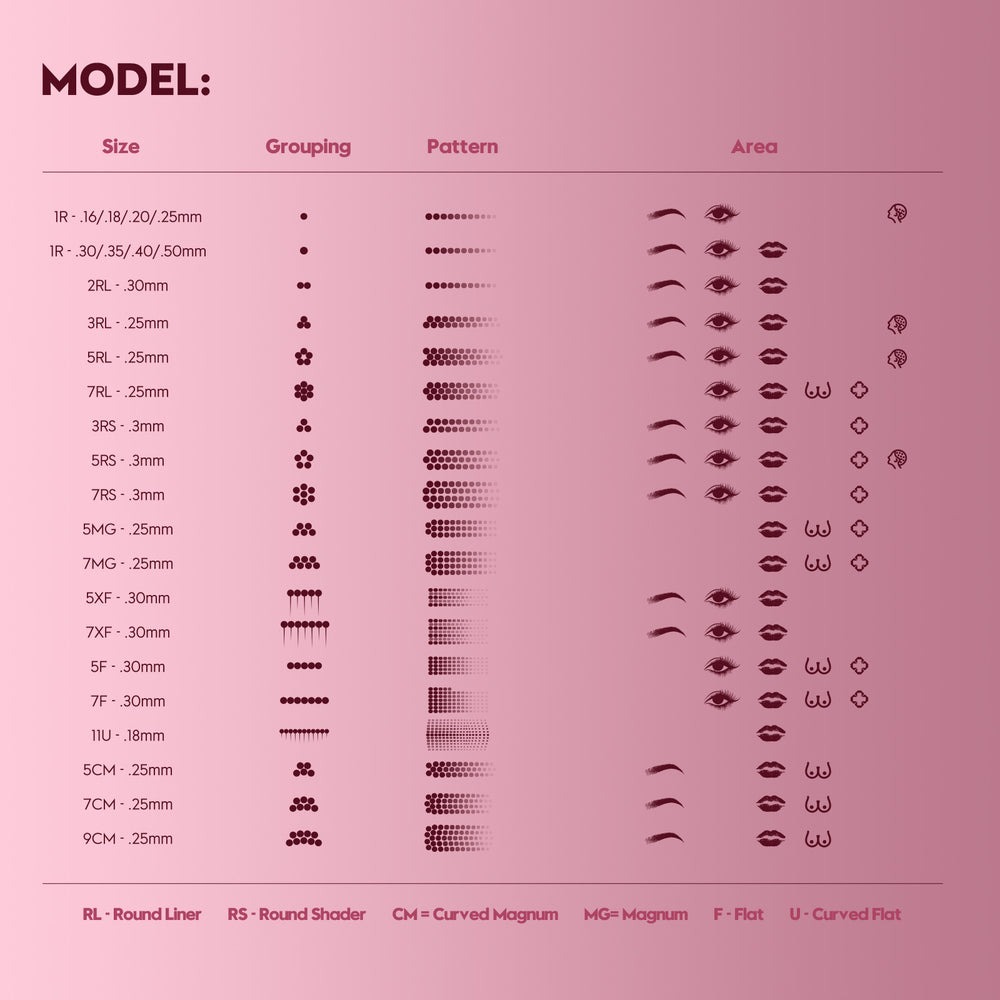
Begin your transition by selecting BIOMASER cartridge configurations that match your most-used needle groupings. If you primarily do linework with 3RL and 5RL setups, start there rather than overhauling your entire inventory at once. Load the cartridge into your rotary machine and run it without skin contact first, feeling how the grip behaves across your typical voltage range. You’ll likely notice immediately that the vibration profile feels flatter—fewer spikes at specific speeds, less buzzing transmitted through the housing.
Optimize your machine settings to complement the cartridge’s dampening characteristics. Because BIOMASER needles operate smoothly across a wider RPM range, you may find that your previous “sweet spot” voltage was actually a compromise to avoid vibration peaks rather than an ideal working speed. Experiment with slightly lower voltage settings, as the improved needle stability often means you need less aggressive power to achieve clean penetration and consistent ink deposit. Many artists discover they can reduce their operating voltage by half a volt while achieving better saturation than before.
For maintenance, keep the cartridge connection point clean and free of dried ink buildup, which can introduce micro-play between the cartridge and grip over time. Inspect cartridges before each session to ensure the membrane and internal components haven’t been compromised by improper storage or accidental drops. Store them upright in their original packaging to prevent the dampening elements from settling unevenly. Finally, track your results over your first dozen sessions—note changes in fatigue levels, client feedback on comfort, and healing outcomes. This data confirms the improvement and helps you fine-tune settings for your specific technique and machine combination.
Why Low-Vibration Engineering Matters for Every Tattoo Artist
The gap between traditional tattoo needles and purpose-engineered solutions like BIOMASER cartridges comes down to a single critical factor: how well the tool manages vibration. Traditional needles, designed for an earlier era of coil machines, introduce excess oscillation that undermines precision, accelerates fatigue, and increases client discomfort when paired with modern rotary systems. BIOMASER’s patented technology addresses this at every level—from precision cam systems and dampening membranes to balanced needle bars that eliminate resonance peaks across the full RPM range.
For tattoo artists working with rotary machines, the practical implications are significant. Cleaner ink deposition, reduced hand strain during long sessions, sharper linework, and universal compatibility across machine platforms collectively translate to better outcomes for both artist and client. These aren’t marginal improvements but fundamental upgrades to how the needle interacts with skin and machine alike. If vibration has been limiting your precision or cutting your productive hours short, BIOMASER needles offer a direct, engineered solution worth testing against your current setup. The difference is something you’ll feel in your hand from the first stroke.
