

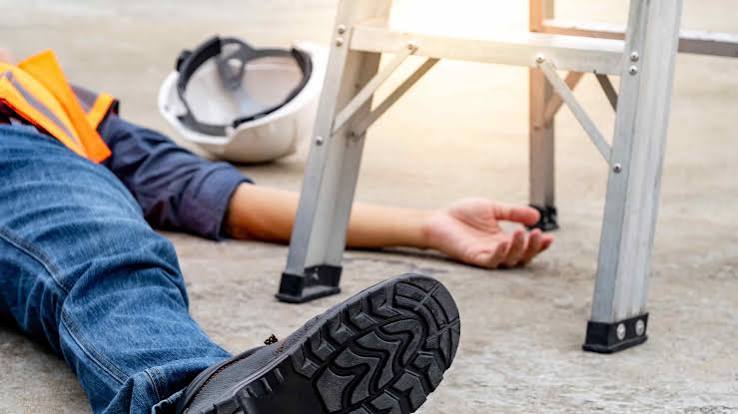
You might be reading this with an ice pack on your back, a brace on your knee, or a throbbing headache from a fall that happened faster than you could think. One moment you were working on a routine task, walking across scaffolding or carrying materials near a lift, injured at work. The next moment you were on the ground, or pinned, or hearing the sharp crack of metal or wood giving way.
Now everything feels split into a “before” and “after.” Before the fall or equipment failure, you had a rhythm, a paycheck, and a sense of control. After, you may have pain, medical bills, missed work, and a lot of unanswered questions. You might be wondering if you will be blamed, if you will keep your job, and whether workers compensation will actually cover what you need.
Here is the short version of what you need to know. If you were hurt on a construction site in or around Chesapeake because of a fall or a piece of equipment that failed, you have rights. Workers compensation is there to cover medical care and a portion of lost wages, and in some situations you may have additional claims if a third party caused the hazard. Safety rules from OSHA and other agencies exist for a reason, and when those rules are ignored, you should not be the one who pays the price.
So, where does that leave you right now?
When a construction fall or equipment failure turns your life upside down
Construction work has its dangers, and you know that. You probably take pride in doing the job carefully, watching your footing, checking your gear. That is why it can feel so unfair when a guardrail is missing, a harness line fails, or a machine malfunctions and you are the one lying in the ambulance.
Falls are one of the leading causes of serious injuries and deaths in construction. Federal safety agencies track this closely. For example, the National Institute for Occupational Safety and Health has highlighted how often construction workers are hurt or killed in falls and what could have prevented those incidents. You can see some of that research in their recent bulletin on construction fall injuries and prevention. Behind every statistic is someone like you, who went to work expecting to go home.
Equipment failures add another layer of fear. A failed hoist, a defective ladder, a nail gun that misfires, a forklift with bad brakes. These are not just “accidents out of nowhere.” Many times, they happen because maintenance was skipped, safety checks were rushed, or cheaper materials were used. You might feel angry as you start to realize your injury could have been avoided.
Because of this tension, you might wonder if anyone is really on your side. Your supervisor might be friendly, yet worried about project delays. The company’s insurance adjuster might sound concerned, yet ask questions that feel like they are trying to poke holes in your story. That is when understanding your rights after a construction accident in Chesapeake becomes more than just a legal topic. It becomes a way to protect your future.
What makes these injuries so stressful financially and legally?
The first wave is physical. Pain, limited movement, sleep that is broken by discomfort. Then the second wave hits. Missed days on the job. Confusing forms. Questions about whether you can do the same kind of work again, or for how long.
Here are some of the most common worries people face after a construction site fall or equipment failure.
1. “What if they say this was my fault?”
Construction companies and insurers sometimes hint that a worker “should have been more careful.” Maybe they suggest you ignored a warning or misused equipment. This can make you doubt yourself. Workers compensation, however, is usually not based on fault. Even if you made a mistake, you can still have a valid claim, as long as you were hurt while doing your job and were not intentionally trying to get injured or under the influence of drugs or alcohol.
2. “Will workers compensation actually cover everything?”
Workers comp is meant to cover medical treatment that is reasonable and necessary, as well as a portion of your lost wages if you cannot work. It can also cover permanent disability in some cases. But the system is technical. Deadlines are strict. A missed form or a poorly documented injury can mean denied or reduced benefits. That is where guidance from a workers compensation lawyer often makes a real difference.
3. “Could someone else be responsible beyond my employer?”
On a busy construction site, there might be a general contractor, several subcontractors, equipment rental companies, and manufacturers all involved. If a defective harness, faulty scaffolding, or unsafe equipment design caused your injury, you might have a separate claim against the company that made or maintained it. That is different from workers comp and can provide additional compensation for pain, suffering, or long term impact, depending on the situation.
So, how do you sort through all of this without feeling completely overwhelmed?
Comparing your options after a construction injury in Chesapeake
You may be trying to decide whether to handle everything on your own or to get professional help. You might also be unsure what safety rules even apply to your situation. Agencies like OSHA publish clear construction safety guidance on topics like fall protection, scaffolding, and equipment use. For example, you can review federal expectations around guardrails, harnesses, and other protections in OSHA’s construction fall protection standards. These same rules often become important evidence when showing that your injury was preventable.
The table below compares common paths people take after a job site fall or equipment failure.
| Approach | What it looks like | Possible benefits | Common risks or drawbacks |
|---|---|---|---|
| Handling the claim on your own | You report the injury, fill out employer and insurance forms, and follow up with the adjuster yourself. | Faster at the start. No legal fees. You stay in direct control of every conversation. | Easy to miss deadlines. You may accept lower benefits than you deserve. You might not recognize when your rights are being squeezed. |
| Relying only on employer and insurer guidance | You trust what your supervisor, HR, or the insurance adjuster tells you and follow their instructions. | Less paperwork stress at first. Feels cooperative and straightforward. | Their priority is cost and liability control. Important details like permanent limitations or third party responsibility may never be explored. |
| Consulting a workers comp attorney | You speak with a lawyer who reviews your medical records, work conditions, and safety issues, then helps you plan your next steps. | Guidance on what your claim is really worth. Help avoiding mistakes. Better understanding of other claims, such as against equipment makers. | You need to share detailed information. Some people feel nervous involving a lawyer, although many cases are handled without conflict. |
| Documenting safety violations and reporting | You collect photos, witness names, and report hazards to supervisors or, if needed, to OSHA. | Creates a record that unsafe conditions existed. Can protect coworkers and support your case. | Employers sometimes become defensive. You may worry about retaliation, which the law generally prohibits. |
As you weigh these options, it can help to remember that construction safety rules are not suggestions. Federal agencies provide step by step guidance on how sites should be set up and monitored. OSHA’s construction compliance quick start shows the kind of safety planning your employer should be doing before anyone climbs, lifts, or digs.
Three practical steps you can take right now
Even if you are still in pain or on medication, there are a few concrete things you can do to protect yourself without making your situation harder.
1. Protect the record of what happened
Write down everything you remember about the incident as soon as you can. Note the time, location on the site, what you were doing, who was nearby, what equipment was involved, and anything that seemed off. For example, was the ladder wobbly, the scaffold missing a plank, the guardrail loose, or the lift making strange noises before it failed.
Keep copies of any incident reports you fill out. If you can, save photos of the area, your equipment, or your injuries. If coworkers saw the fall or heard you report a problem before it happened, write down their names and contact information. These details help show that your injury came from the job, not from something outside work.
2. Follow medical care carefully and be honest about your pain
See a doctor as soon as possible and follow up as recommended. Tell every medical provider exactly what happened and that it was a work injury. Describe your pain honestly. Do not minimize it to sound tough and do not exaggerate. If you cannot lift, bend, climb, or stand for long periods, say so clearly.
Keep all medical records, test results, and bills in one place. These documents become the foundation of your workers compensation claim. They show the link between the fall or equipment failure and your ongoing limitations.
3. Talk with a knowledgeable workers compensation lawyer before you sign anything
Before accepting a settlement or signing any final papers, consider speaking with a lawyer who focuses on work injuries and construction safety claims. A short consultation can clarify whether the offer in front of you is fair or whether it ignores future surgeries, therapy, or reduced earning capacity.
A good lawyer will look for signs that safety rules were ignored and whether any third party, such as an equipment manufacturer, should be involved. This does not mean you are attacking your employer. It means you are making sure the right people are held responsible so you can focus on healing.
Moving forward after a construction injury in Chesapeake
You did not choose to fall from a height or be hurt by a failed piece of equipment. You showed up to work, trusted that the site was set up safely, and relied on gear that was supposed to protect you. When that trust is broken, you deserve care, time to heal, and financial support that matches the real impact on your life.
Understanding your rights after a construction safety incident in Chesapeake is not about starting a fight. It is about making sure you are not left carrying the weight of someone else’s shortcuts or neglect. With the right information, clear medical records, and, when needed, guidance from a seasoned workers compensation lawyer, you can move from confusion toward a plan.
You may still feel worried about what comes next. That is normal. Step by step, though, you can protect your health, your income, and your future. Start by documenting what happened, following through on medical care, and reaching out for legal help before you agree to any final decision on your claim.
