

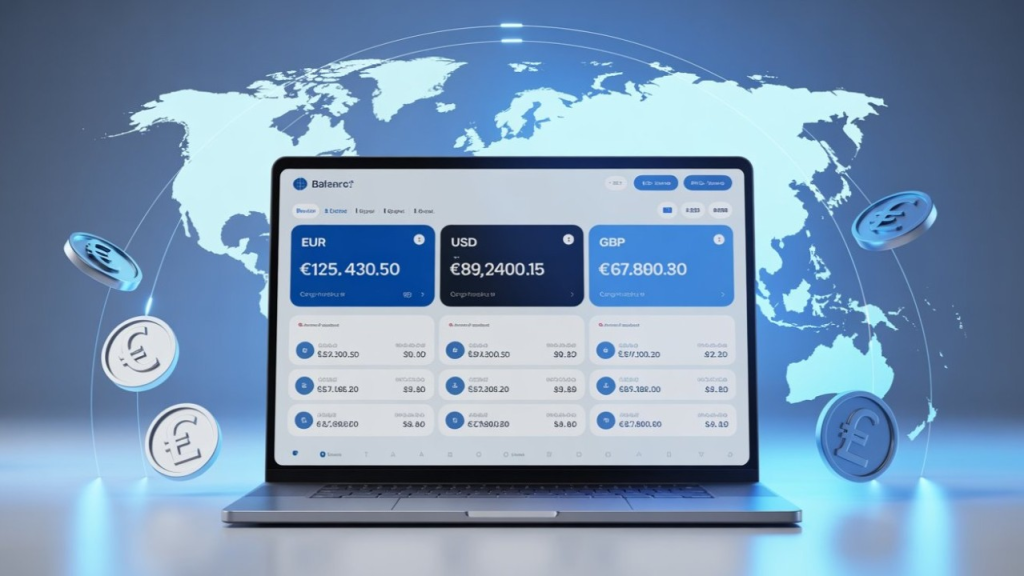
Managing money has become more digital than ever before. People now expect financial services that are fast, secure, and accessible from anywhere, whether they’re paying bills, sending money abroad, shopping online, or managing investments. As a result, fintech platforms are transforming how individuals and businesses interact with their finances by bringing multiple financial tools together in one convenient application.
Instead of juggling separate banking apps, payment services, and cryptocurrency wallets, many users now prefer unified platforms that simplify everyday financial management. These solutions combine traditional banking features with modern payment technology, making it easier to control both fiat currencies and digital assets from a single account.
From what I’ve observed, convenience has become one of the biggest factors influencing how people choose financial services. Having everything available in one secure platform saves time while making everyday transactions far more efficient.
The Rise of Digital Banking
Digital banking has evolved far beyond basic online account access.
Modern fintech applications now provide features such as:
- Multi-currency accounts
- Virtual and physical payment cards
- SEPA transfers
- Mobile payments
- Real-time balance management
- Spending insights
- Cryptocurrency wallets
These capabilities allow users to complete many everyday financial tasks without visiting a traditional bank branch.
What Is an IBAN Account?
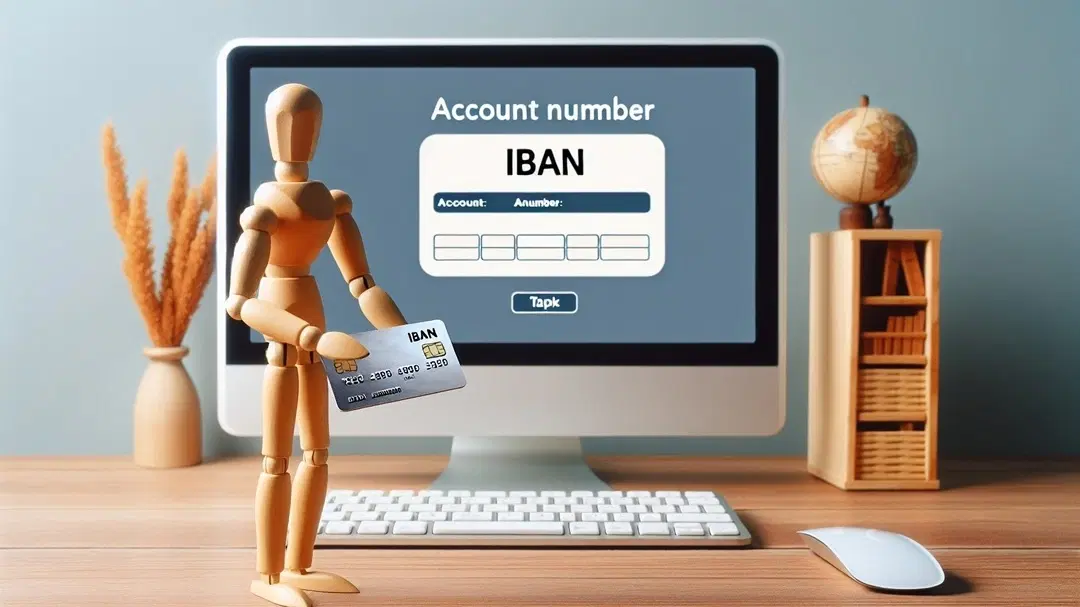
An IBAN (International Bank Account Number) is a standardized account format used across many countries to simplify domestic and international bank transfers.
Having an IBAN allows users to:
- Receive payments
- Send bank transfers
- Make SEPA payments
- Manage personal finances
- Support cross-border transactions
For individuals working internationally or businesses dealing with customers across Europe, an IBAN account can make payments significantly more convenient.
Managing Fiat and Digital Assets Together
One of the biggest innovations in modern fintech is the ability to manage both traditional currencies and digital assets within a single platform.
Instead of switching between multiple applications, users can monitor different balances from one dashboard.
This integrated approach offers greater convenience for people who regularly use both conventional banking services and digital financial tools.
Why SEPA Transfers Matter
The Single Euro Payments Area (SEPA) simplifies euro-denominated payments across participating countries.
SEPA transfers provide several advantages:
Faster Payments
Transactions can often be completed more efficiently than traditional international transfers.
Lower Complexity
Standardized payment procedures make cross-border banking easier.
Greater Convenience
Users can send and receive euro payments using familiar banking processes.
These benefits make SEPA particularly valuable for freelancers, remote workers, online businesses, and international professionals.
Mobile Banking for Everyday Life
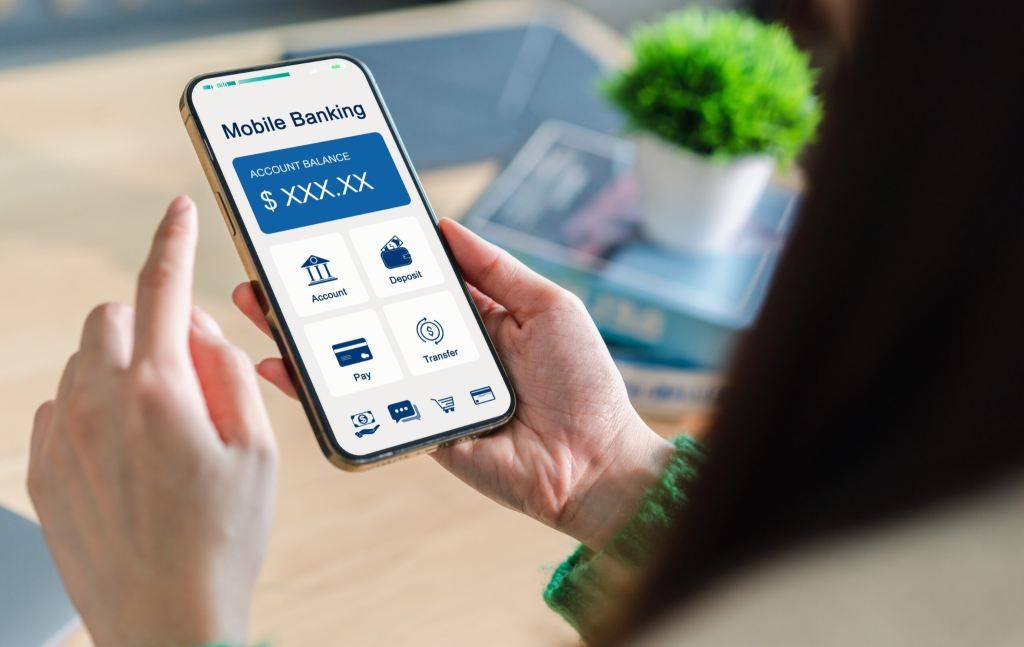
Today’s consumers expect financial services to fit into their mobile lifestyles.
Modern fintech apps commonly allow users to:
- Check balances instantly
- Transfer money
- Manage payment cards
- Monitor spending
- Receive transaction notifications
- Access account information securely
Everything can be managed directly from a smartphone without relying on desktop banking platforms.
One Platform for Smarter Money Management
Using multiple financial services can quickly become inconvenient.
Many users prefer integrated platforms that combine:
- Banking services
- IBAN accounts
- Payment cards
- Digital wallets
- Crypto asset management
- International transfers
For users looking to create iban account online, modern fintech solutions provide a practical way to access digital banking features while managing both traditional currencies and supported crypto assets within a single multi-wallet platform.
Security Remains a Priority
Convenience should always be matched by strong security.
When evaluating financial platforms, users should look for features such as:
- Secure authentication
- Account verification
- Transaction monitoring
- Encrypted communications
- Mobile security controls
Responsible financial management begins with choosing services that prioritize user protection alongside usability.
The Future of Digital Finance
Fintech innovation continues to reshape personal and business banking.
Emerging trends include:
- Integrated financial ecosystems
- Multi-currency wallets
- Contactless digital payments
- Crypto and fiat account management
- Faster international transfers
- Mobile-first financial services
As these technologies continue to evolve, users can expect increasingly seamless ways to manage their finances from a single platform.
Conclusion
Digital finance is becoming more connected, flexible, and user-friendly. Rather than relying on multiple separate services, many people now prefer integrated fintech platforms that combine everyday banking with modern payment and wallet functionality.
Features such as IBAN accounts, SEPA transfers, payment cards, and digital asset management provide greater convenience while supporting a wide range of personal and business financial needs. As digital banking continues to evolve, unified financial platforms are helping users manage money more efficiently in an increasingly connected world.
