

Your hosting is live, and that single message marks the moment your website goes from an idea to something the world electronicwastebuy.com can actually visit. Whether you are launching a business site, a personal blog, or an online store, this milestone deserves attention. Here is what it means and how to make the most of it.
What “Your Hosting Is Live” Really Means
When you see the notice that your hosting is live, your account has been fully provisioned. Your server space is allocated, your resources are active, and your control panel is ready to use. In simple terms, you now own a place on the internet where your website files can be stored and served to visitors around the clock.
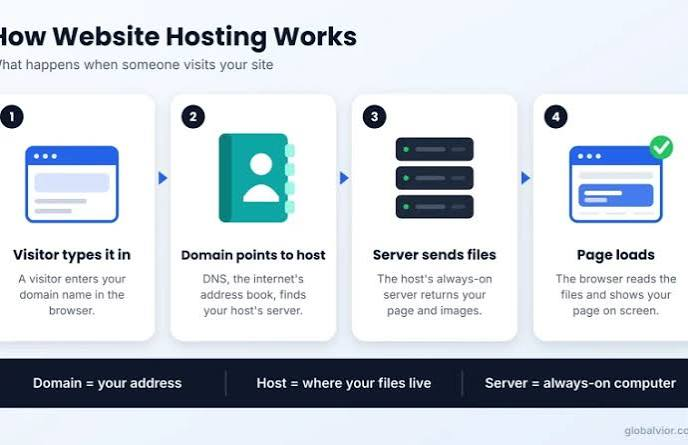
Hosting is the foundation of every website. Without it, your domain name points nowhere. Now that your hosting is live, the domain and the server can finally work together, so anyone typing your address into a browser can reach your content.
First Steps After Your Hosting Is Live
The first hours after your hosting is live are the best time to set up the essentials. Start by logging in to your control panel and reviewing your account details. Check your server information, nameservers, and login credentials, and store them somewhere safe.
Next, connect your domain. If you registered it elsewhere, update the nameservers to the ones your host provided. DNS changes can take anywhere from a few minutes to 48 hours to spread across the internet, so be patient. Once your hosting is live and DNS has propagated, your domain will load from your new server.
Then install an SSL certificate. Most modern hosts offer free SSL, and it is essential. It encrypts data between your site and your visitors, builds trust, and helps your search rankings.
Installing Your Website Now That Your Hosting Is Live
With your hosting is live and your domain connected, it is time to build. Most hosting platforms include a one-click installer for popular systems like WordPress, Joomla, or e-commerce tools. Choose website the platform that fits your goals, run the installer, and create your admin account with a strong, unique password.
If you prefer a custom-built site, you can upload your files through the file manager or an FTP client. Place them in the public folder, usually named “public_html,” and your pages will appear at your domain right away.
Securing Your Site After Your Hosting Is Live
Security should never be an afterthought. As soon as your hosting is live, take protective steps. Enable two-factor authentication on your hosting account, keep your software updated, and remove any plugins or themes you do not use. Outdated software is one of the most common ways attackers get in.
Set up automatic backups too. If something goes wrong, a recent backup lets you restore your site in minutes instead of rebuilding it from scratch. Many hosts include backups, but confirm how often they run and how long they are kept.
Optimizing Performance When Your Hosting Is Live
Speed matters to visitors and to search engines. Once your hosting is live, enable caching, compress your images, and consider a content delivery network (CDN) to serve files from locations close to your audience. A fast site keeps people engaged and reduces bounce rates.
Monitor your resource usage in the control panel. If your traffic grows, you may need to upgrade from shared hosting to a VPS or dedicated plan. Knowing your limits early prevents unexpected slowdowns.
Setting Up Email After Your Hosting Is Live
A professional email address, such as hello@yourdomain.com, strengthens your brand. Because your hosting is live, you can usually create email accounts directly in the control panel. Set up your mailboxes, configure them in your email app, and add SPF and DKIM records so your messages reach inboxes instead of spam folders.
Final Thoughts: Your Hosting Is Live, Now Grow
Seeing the message your hosting is live is exciting, but it is only the beginning. The real work is creating valuable content, promoting your site, and maintaining it over time. Submit your site to search engines, install analytics to understand your visitors, and keep your content fresh.
