

Meta Title: Best Safety Shoes for Construction Workers | Complete Guide
Meta Description: Discover the best safety shoes for construction workers, their key features, benefits, and how to choose durable protective footwear for construction sites.
Construction work is one of the most physically demanding and risk-filled jobs. Workers often deal with heavy tools, sharp materials, slippery surfaces, electrical hazards, falling objects, and uneven ground. In such environments, wearing the best safety shoes for construction workers is not just a comfort choice—it is a basic safety requirement.
Safety shoes protect workers from serious foot injuries and help them perform their tasks with confidence. Whether someone works on building sites, road construction, industrial projects, warehouses, or repair jobs, the right pair of safety shoes can make a big difference in daily protection and productivity.
Why Safety Shoes Are Important for Construction Workers
Construction sites are full of hazards. A small mistake or accident can cause serious injuries, especially to the feet. Workers may step on nails, slip on wet surfaces, drop heavy objects, or come into contact with electrical equipment. Regular shoes are not designed to handle these risks.
Safety shoes are specially made to protect the feet from workplace dangers. They usually come with strong toe caps, anti-slip soles, puncture-resistant midsoles, and durable outer materials. These features help reduce the chances of injuries and improve overall workplace safety.
For construction companies, providing proper safety footwear also shows responsibility toward workers. It helps maintain safety standards and reduces accident-related downtime.
Key Features of the Best Safety Shoes for Construction Workers
When choosing safety shoes for construction work, it is important to look beyond appearance. A good pair should offer protection, comfort, durability, and grip. Below are the main features to consider.
1. Steel Toe or Composite Toe Protection
Toe protection is one of the most important features in construction safety shoes. A steel toe cap protects the front part of the foot from heavy falling objects. This is useful for workers handling bricks, cement blocks, machinery, tools, or metal materials.
Composite toe shoes are another option. They are usually lighter than steel toe shoes and do not conduct electricity. They can be a good choice for workers who need protection but prefer lightweight footwear.
2. Slip-Resistant Sole
Construction sites often have wet floors, muddy areas, loose gravel, oil, dust, or uneven surfaces. A slip-resistant sole helps workers maintain better grip and balance. This reduces the risk of falls, which are among the most common workplace accidents.
Rubber outsoles are often preferred because they provide strong traction and long-lasting performance.
3. Puncture-Resistant Midsole
Sharp objects such as nails, metal pieces, wires, and glass can easily be found on construction sites. A puncture-resistant midsole prevents these objects from entering the shoe and injuring the foot.
This feature is especially important for workers who walk around demolition areas, roofing sites, roadwork zones, or unfinished buildings.
4. Comfortable Cushioning
Construction workers spend long hours standing, walking, lifting, and climbing. Poor-quality shoes can cause foot pain, fatigue, back discomfort, and reduced performance.
The best safety shoes should have soft cushioning, shock absorption, and proper arch support. A comfortable shoe helps workers stay active for longer hours without unnecessary strain.
5. Durable Material
Construction safety shoes should be made from strong and durable materials. Leather is a popular option because it provides toughness, flexibility, and long-term use. Some shoes also come with water-resistant or oil-resistant materials, which are helpful in rough work conditions.
Durability is important because cheap shoes may wear out quickly and fail to provide proper protection.
6. Electrical Hazard Protection
Some construction workers are exposed to electrical risks. In such cases, electrical hazard safety shoes can provide extra protection. These shoes are designed to reduce the risk of electric shock in certain workplace conditions.
Electricians, machine operators, and workers near electrical installations should consider this feature.
How to Choose the Best Safety Shoes for Construction Workers
Choosing the right safety shoes depends on the type of work and the level of risk on the site. Before buying, workers or employers should consider the job environment. For example, a worker handling heavy materials may need steel toe shoes, while an electrician may prefer composite toe shoes with electrical hazard protection.
The shoe size should also be correct. Shoes that are too tight can cause pain, while loose shoes can affect balance. Workers should try the shoes with work socks to ensure a comfortable fit.
It is also important to check sole quality. A strong, anti-slip, and puncture-resistant sole is ideal for construction sites. Lightweight design, breathable lining, and ankle support can also improve comfort and safety.
Benefits of Wearing Safety Shoes on Construction Sites
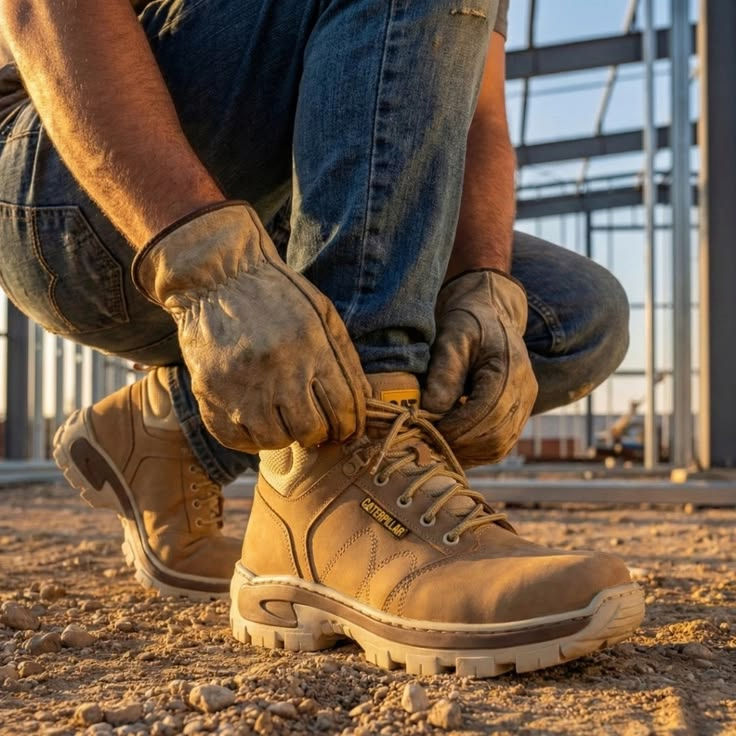
Wearing proper safety shoes offers many benefits. The most obvious benefit is foot protection, but there are also other advantages.
Safety shoes help workers move confidently on rough surfaces. They reduce the risk of slips, cuts, crush injuries, and punctures. Comfortable safety footwear also improves productivity because workers can focus on their job instead of foot pain.
For employers, safety shoes can help create a safer workplace environment. Fewer injuries mean less downtime, better worker morale, and improved compliance with safety rules.
Best Types of Safety Shoes for Construction Workers
Different types of safety shoes are available for construction workers. Steel toe safety shoes are best for heavy-duty work. Composite toe shoes are suitable for lightweight protection and electrical safety. High-ankle safety boots provide extra ankle support and are useful on rough ground.
Water-resistant safety shoes are good for outdoor construction sites, especially during rainy conditions. Slip-resistant shoes are ideal for workers who deal with wet or oily surfaces. The best choice depends on the worker’s job role and workplace hazards.
Maintenance Tips for Safety Shoes
To make safety shoes last longer, proper care is important. Workers should clean dirt, cement, and mud from their shoes regularly. Wet shoes should be dried naturally, away from direct heat. The soles should be checked often for damage or loss of grip.
If the toe cap, sole, or upper material becomes damaged, the shoes should be replaced. Damaged safety shoes may not provide proper protection during accidents.
Conclusion
The best safety shoes for construction workers are those that provide strong protection, lasting comfort, and reliable grip. Construction sites are full of risks, and ordinary shoes cannot protect workers from common hazards like falling objects, sharp materials, slippery surfaces, and electrical dangers.
When selecting safety shoes, workers should look for features such as steel or composite toe protection, slip-resistant soles, puncture-resistant midsoles, durable material, and comfortable cushioning. Investing in high-quality safety shoes is a smart decision for both workers and employers because it improves safety, comfort, and productivity on the job site.
FAQs
1. What are the best safety shoes for construction workers?
The best safety shoes for construction workers are durable shoes with toe protection, slip-resistant soles, puncture-resistant midsoles, and comfortable cushioning.
2. Are steel toe shoes necessary for construction work?
Yes, steel toe shoes are highly recommended for construction work because they protect the toes from heavy falling objects and workplace injuries.
3. Which is better: steel toe or composite toe safety shoes?
Steel toe shoes are stronger for heavy-duty protection, while composite toe shoes are lighter and better for workers who need electrical hazard protection.
4. How long do construction safety shoes last?
Construction safety shoes can last several months to over a year depending on usage, material quality, site conditions, and maintenance.
5. Can safety shoes prevent slips?
Yes, safety shoes with slip-resistant soles can reduce the risk of slips and falls on wet, oily, muddy, or uneven construction surfaces.
