

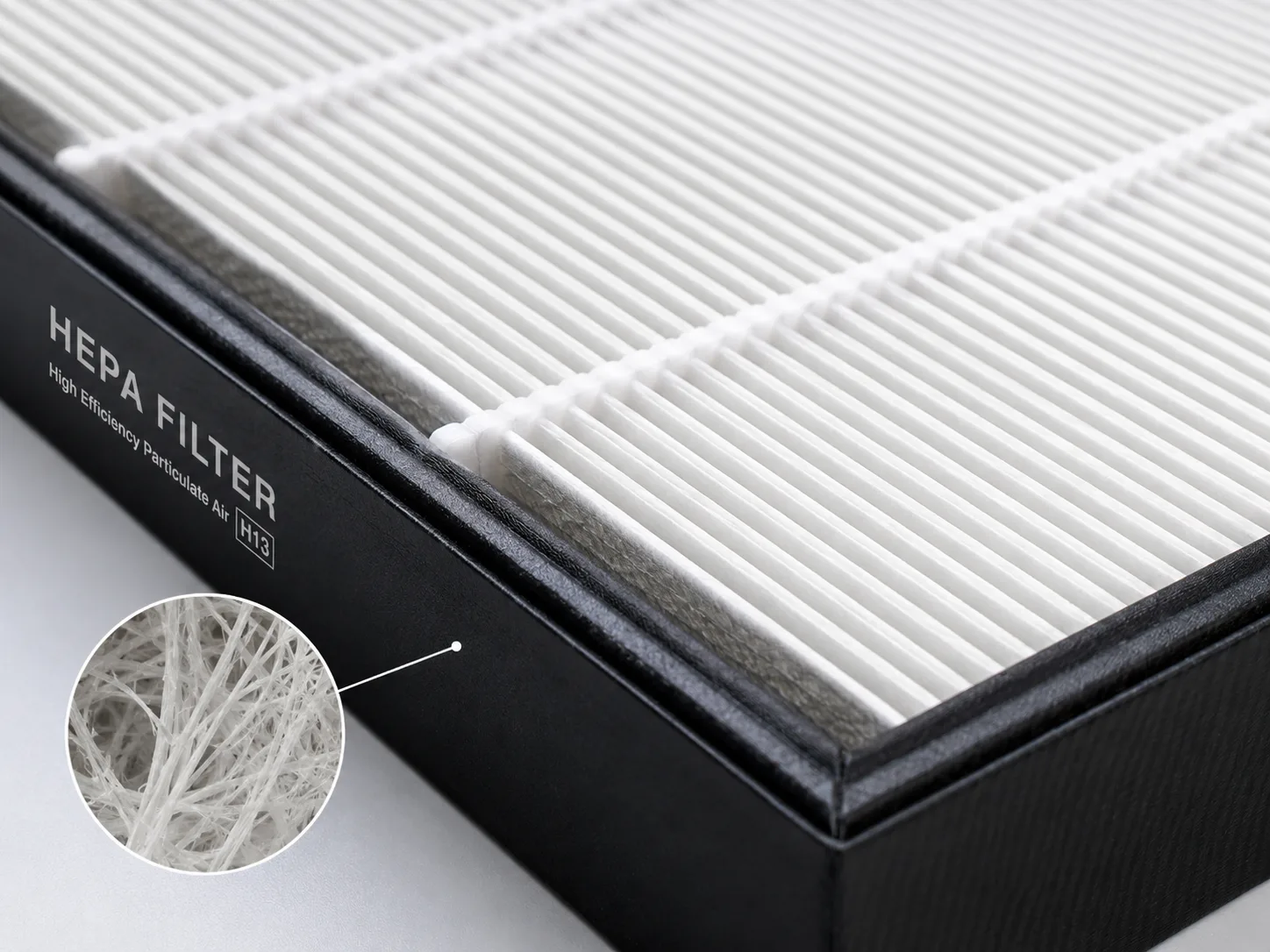
Most people don’t think about their air conditioner filter until it’s visibly dirty. And even then, they just grab the cheapest replacement that fits and call it a day. But if you’re considering upgrading to a HEPA filter for better air quality at home, there’s actually quite a bit to know before you buy.
Stick the wrong HEPA filter in your AC unit, and you’ll get weak airflow, higher energy bills, and maybe even damage to your system over time. Get the right one, and you’ll notice the difference in dust levels, allergy symptoms, and how clean the air feels without even thinking about it.
Here’s what actually matters when you’re shopping around.
Make Sure Your Unit Can Handle HEPA
This is the step everyone skips, and it’s the most important one.
Standard residential AC filters are usually MERV 8 to MERV 11. They catch larger particles and that’s about it. HEPA filters are much denser, which means they catch way more stuff—but they also create more resistance to airflow.
If your system isn’t designed for it, dropping in a HEPA filter can restrict airflow so much that your AC unit works overtime. Your energy bill goes up, the unit wears out faster, and in some cases you can even cause the evaporator coil to freeze up. Not ideal.
Check your owner’s manual first. Look for the maximum MERV rating or any mention of HEPA compatibility. If you’re not sure, check with an HVAC technician. A lot of newer ductless mini-splits and high-end residential systems are HEPA-ready, but older central AC units often aren’t.
Pro tip: if you can’t find the info, a lower-density H11 HEPA is generally safer to try than jumping straight to H13. Start lighter and see how your system handles it.
Get the Dimensions Exactly Right
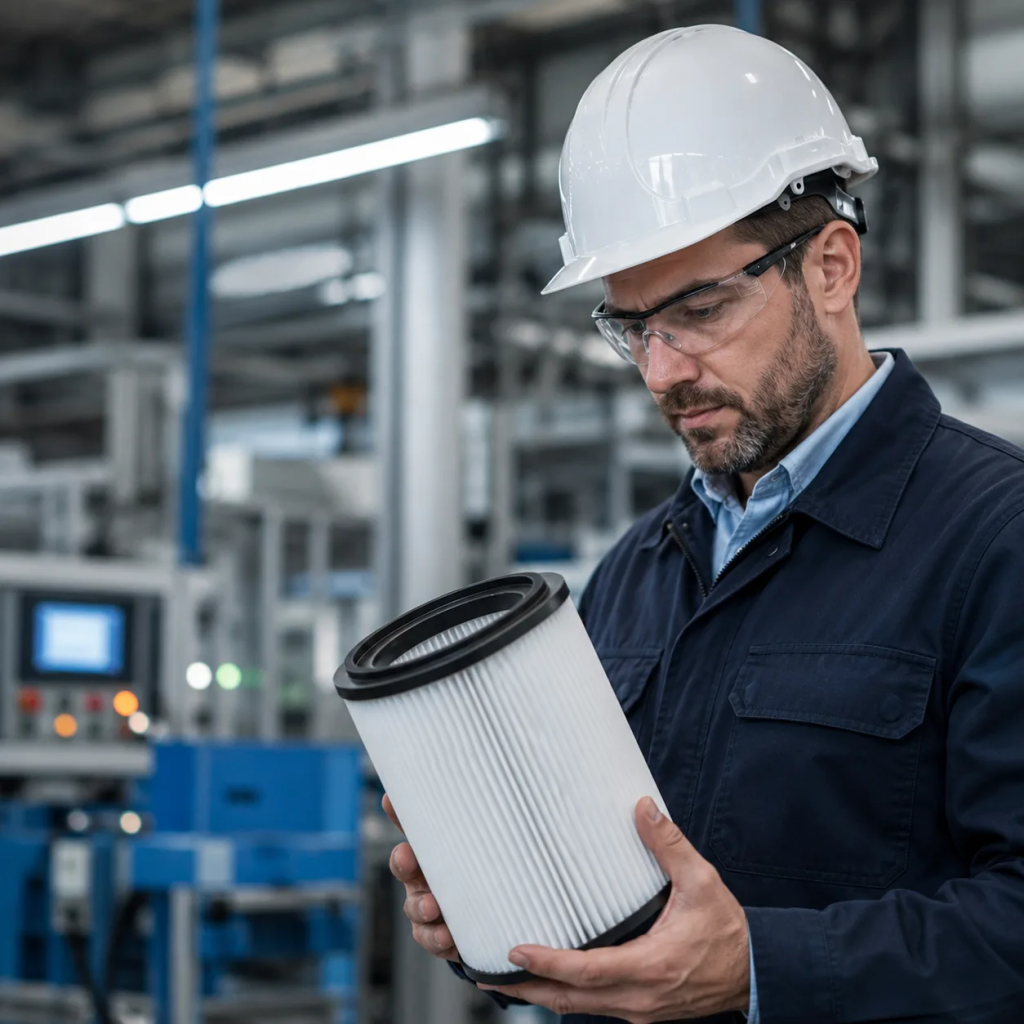
This sounds obvious, but you’d be surprised how many people get this wrong.
Filter sizes are listed as nominal dimensions, which means the actual size is usually a little smaller than the number on the box. A “20x20x1” filter is actually 19.5 x 19.5 x 0.75 inches. Most of the time this is fine, because the sizing is standardized across the industry.
Where people run into trouble is with custom or less common unit sizes. Measure your existing filter carefully—length, width, and depth—before you order anything. Even a quarter inch gap around the edges means unfiltered air is slipping through, and you’re wasting a good portion of what the HEPA filter is supposed to do.
For window units and portable ACs especially, there’s way less standardization. Don’t go by the model number alone. Pull the old filter out and measure it yourself.
Pick the Right Efficiency Grade
A quick definition of HEPA filter standards first: High Efficiency Particulate Air filters are classified by how well they capture 0.3 micron particles—the hardest size for any filter to trap. HEPA isn’t just one thing. There are different grades, and higher isn’t always better for home use.
H11 HEPA catches at least 95% of 0.3 micron particles. H12 catches 99.5%. H13 catches 99.97%, which is the medical-grade standard people usually think of when they hear “HEPA.”
For most residential use, H11 or H12 is the sweet spot. You get excellent filtration for dust, pollen, pet dander, and most airborne particles without putting unnecessary strain on your fan motor. H13 is great if someone in the household has severe allergies, asthma, or immune system concerns, but make sure your system can handle the extra resistance first.
Also, pay attention to whether it’s actually true HEPA or just “HEPA-type” or “HEPA-like.” Those terms don’t mean anything regulated. A real HEPA filter is tested and certified to EN 1822 or similar standards. If the listing doesn’t mention a specific rating or certification, assume it’s not the real thing.
Consider Pressure Drop and Airflow
This is the technical side that most product listings don’t tell you about.
Every filter creates some resistance to air passing through it—that’s called pressure drop, measured in Pascals. Higher efficiency filters have higher pressure drop. Two different H13 filters from different brands can have very different resistance numbers depending on how they’re built.
What you want is a filter that achieves its efficiency rating without unnecessary drag. The best ones use optimized pleat geometry—more pleats, evenly spaced—to maximize the surface area of the media. More surface area means lower resistance for the same efficiency level. The filter lasts longer too, because there’s more material to hold dust before it clogs up.
You won’t always find this spec on consumer packaging, but if you’re comparing a few options, look for mentions of low resistance or optimized pleat design. It’s a good sign the manufacturer actually knows what they’re doing.
Think About Lifespan and Replacement Cost
A HEPA filter isn’t a set-it-and-forget-it thing. Eventually it fills up with dust and needs to be replaced.
How long it lasts depends on a few things: how often you run your AC, how dusty your environment is, whether you have pets, and the filter’s dust holding capacity. A filter with more media area will last longer than a cheap thin one, even if they have the same efficiency rating.
For typical residential use, plan on replacing your AC HEPA filter every 3 to 6 months. If you have multiple pets or live somewhere with high pollen counts, lean toward the 3-month side. You can usually tell it’s time when you notice weaker airflow or the filter looks visibly dirty when you pull it out.
When comparing prices, factor in the replacement schedule too. A slightly more expensive filter that lasts twice as long is usually the better deal. Buying in bulk also helps—most manufacturers offer better per-unit pricing when you order a year’s supply at once.
Watch Out for These Common Mistakes
A few things we see people get wrong all the time:
- Going for the highest rating possible. H13 sounds better than H11, so why not get the best? Because if your system can’t move enough air through it, you’re getting worse overall air circulation, which actually makes the air quality worse, not better. Match the filter to what your unit can handle.
- Trusting marketing terms over certifications. “Medical grade,” “hospital quality,” “99% effective”—none of these are regulated terms. Look for actual EN 1822 or similar test certification. If a brand can’t show you test data, move on.
- Ignoring the frame quality. The filter media is only half the story. A flimsy cardboard frame can warp from moisture over time, creating gaps that let unfiltered air bypass the media entirely. Look for solid plastic frames or reinforced cardboard with a good gasket seal.
- Forgetting about odor and gas filtration. HEPA catches particles, but it doesn’t do anything for smells, VOCs, or cooking odors. If that’s a concern, look for a filter with an activated carbon layer in addition to the HEPA media.
So Which One Should You Get?
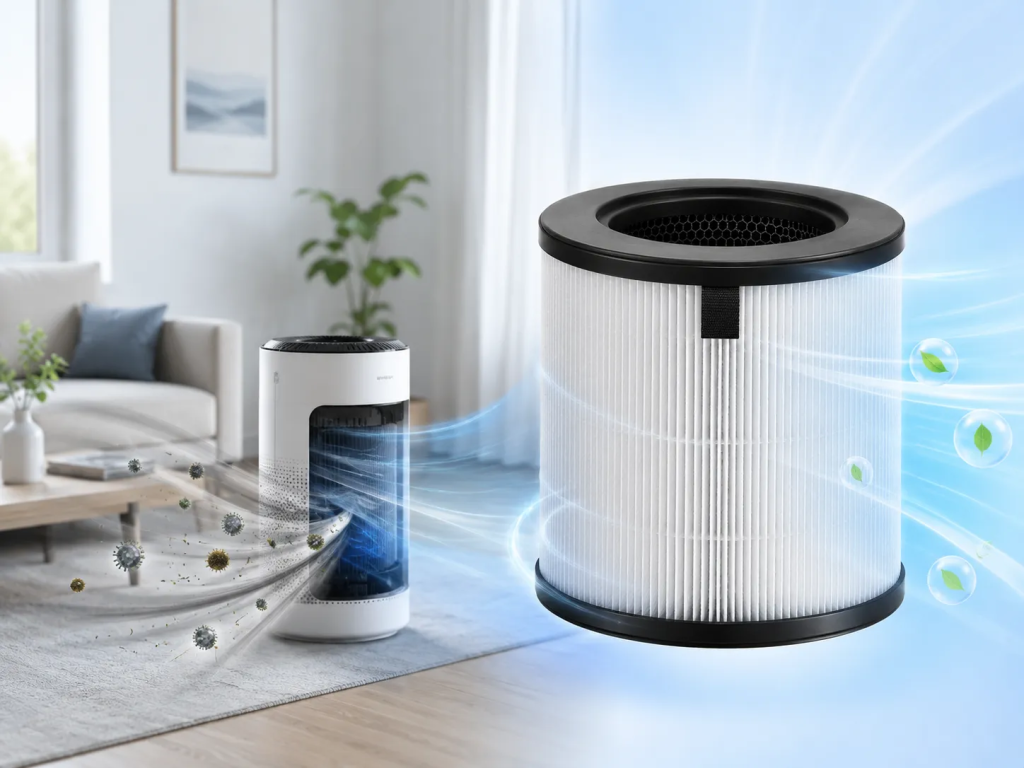
Quick cheat sheet based on what you need:
- Regular home use, no major allergies: H11 HEPA, standard size for your unit, decent brand. You’ll notice less dust and cleaner air without overcomplicating things.
- Pet owners or mild allergy sufferers: H12 HEPA with good dust holding capacity. Worth the extra cost for the higher capture rate on pet dander and pollen.
- Severe allergies, asthma, or immune concerns: H13 HEPA, but confirm your AC system can handle the airflow restriction first. Consider having a tech check your system before switching.
- Budget-conscious: Don’t buy the absolute cheapest HEPA you find on Amazon. A lot of them don’t actually meet the efficiency they claim. Look for a mid-range H11 from a manufacturer that provides actual test data.
At the end of the day, the best HEPA filter for your home AC is the one that fits properly, matches your system’s airflow capacity, and comes from a manufacturer that stands behind their efficiency claims. Do a little homework up front, and you’ll get cleaner air without the headaches.
Looking for residential HEPA filters built to actual certified standards? HIFINE manufactures H11, H12, and H13 filters for home AC units with optimized pleat design for lower resistance and longer service life. All units are individually tested to EN 1822 standards, so you know you’re getting the efficiency you’re paying for.
Chinese HEPA filter manufacturer, OEM/ODM supported: https://hifinefilter.com/
