

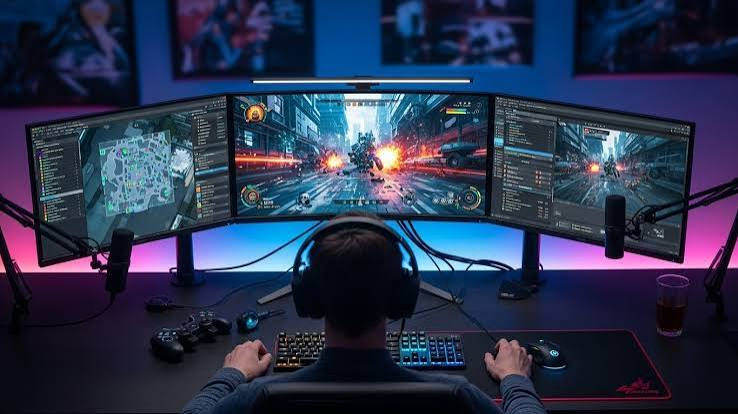
Entertainment has changed dramatically over the last decade. People no longer gather only around televisions or head to movie theaters for excitement. Today, millions of individuals connect through digital worlds where they can compete, cooperate, and create unforgettable memories. The rise of the online game experience has transformed the way people spend their free time, build friendships, and even celebrate achievements.
Think about the last time you watched someone playing instead of playing yourself. Perhaps it was a friend sharing a live stream or a family member showing off a new achievement. Moments like these reveal how gaming has evolved into something much larger than a simple hobby. It has become a shared cultural experience that blends technology, creativity, and social interaction in exciting new ways continentalsfc.com
How the Online Game Experience Became More Social
Not long ago, many games were designed for a single player sitting alone in front of a screen. That picture has changed completely. Modern players want connection just as much as competition. Whether they are teaming up with friends across different cities or chatting with strangers who soon become teammates, gaming has become a social activity.
Imagine a college student studying abroad. Staying connected with old friends can be difficult because of busy schedules and different time zones. Instead of relying only on text messages, they schedule weekly gaming sessions. Those virtual adventures become regular catch-up moments filled with laughter, teamwork, and memorable conversations.
This social shift has made gaming feel more personal. Players celebrate victories together, overcome challenges as a team, and create stories that continue long after the screen is turned off.
Mobile Gaming Opens the Door for Everyone
One of the biggest changes in recent years has been accessibility. Expensive gaming setups are no longer the only way to enjoy digital entertainment. Smartphones have placed countless adventures into people’s pockets.
A commuter waiting for a train can complete a quick challenge. A parent relaxing after work might enjoy a short session before dinner. Someone traveling across the country can stay connected with friends through a favorite title without carrying heavy equipment.
This convenience has welcomed people of all ages into gaming communities. It has also encouraged developers to create experiences that fit different lifestyles rather than expecting players to dedicate hours every day.
Streaming Has Turned Players into Entertainers
Watching games has become almost as popular as playing them. Live streaming platforms have introduced a completely new form of entertainment where audiences gather to learn, laugh, and interact with their favorite creators.
What makes these broadcasts so appealing? It isn’t always about incredible skills. Many viewers simply enjoy the personality behind the controller. Funny reactions, unexpected mistakes, and engaging conversations create an atmosphere that feels authentic.
Consider someone learning a challenging strategy game. Instead of reading a lengthy guide, they watch an experienced player explain techniques while interacting with viewers. The learning process becomes enjoyable rather than overwhelming.
Streaming has also inspired countless individuals to share their own experiences, creating communities centered around positivity, creativity, and shared interests.
Creative Freedom Keeps Players Coming Back
Modern gaming is no longer limited to following a fixed storyline. Many titles encourage players to build, customize, and express themselves through unique creations.
Some people spend hours designing dream houses. Others create race tracks, fantasy worlds, or detailed character outfits. This creative freedom transforms players from consumers into active contributors.
Why does this matter? Personal expression creates emotional attachment. A carefully designed village or customized character feels meaningful because it reflects the player’s imagination.
This trend has extended the lifespan of many games, as fresh user-created content constantly introduces new challenges and experiences for everyone involved.
Competitive Gaming Continues to Grow
Competition has always been part of entertainment, but digital tournaments have taken it to another level. Organized competitions now attract enormous audiences from around the world.
Fans follow favorite teams with the same passion once reserved primarily for traditional sports. They discuss strategies, celebrate victories, and analyze performances after every match.
A teenager who once played casually after school may now dream of competing professionally or becoming a respected coach, commentator, or content creator. These opportunities demonstrate how gaming has expanded beyond recreation into a broader entertainment industry with multiple career paths.
Technology Is Making Experiences Feel More Real
Every year, developers introduce improvements that make virtual worlds feel increasingly immersive. Better graphics, realistic sound design, smoother gameplay, and faster internet connections all contribute to richer experiences.
Picture walking through a beautifully designed digital city where changing weather affects visibility and background sounds respond naturally to every movement. Small details like these create stronger emotional engagement.
Players no longer simply watch events unfold. They feel as though they are participating inside living, breathing environments that react to their decisions.
As technology continues advancing, expectations will rise alongside it, encouraging creators to develop even more memorable adventures.
Communities Matter More Than Ever
Perhaps the greatest trend shaping modern entertainment is the importance of community. Successful games are no longer defined solely by impressive visuals or complex mechanics. They thrive because people build lasting relationships within them.
Online forums, social media groups, fan artwork, community tournaments, and collaborative events all strengthen these connections. Even after finishing a major challenge, players often remain active simply because they enjoy spending time with their community.
Isn’t that what memorable entertainment has always been about? Stories become meaningful when they are shared with others. Gaming has embraced this idea by turning individual experiences into collective memories.
The strongest communities welcome newcomers, encourage teamwork, and celebrate creativity. Those positive environments continue attracting fresh audiences year after year.
Looking Ahead
The future of the online game world looks brighter than ever. Entertainment continues evolving as technology improves and player expectations grow. Social interaction, creativity, accessibility, competitive events, and immersive storytelling are no longer separate trends—they work together to redefine how people connect and have fun.
Whether someone plays occasionally after a busy day or spends weekends exploring vast digital worlds with friends, gaming has become an important part of modern culture. Its ability to bring people together while offering endless opportunities for adventure ensures its influence will continue expanding.
If you’re curious about where entertainment is heading next, explore a new gaming experience, connect with friends, and discover how today’s evolving digital worlds can create tomorrow’s unforgettable memories.
