

Getting approved for business financing is more than simply having a brilliant idea or consistent revenue, it’s also about how lenders see you, day to day. Before a lending decision is made, financial institutions look closely at your business credit profile, so they can judge how responsibly your company handles the financial promises it makes. In other words, this profile helps them get a sharper sense of what kind of exposure might come with extending credit.
A lot of business owners don’t really understand what lenders check, until they hit a loan rejection, and then it feels sudden. If you take time to learn the main elements that steer these decisions, you can build a stronger business profile and, in the long run, boost your odds of getting financing when the next opportunity shows up.
Business Credit Score and Payment History
Your business credit score is one of the first things lenders kind of look at. It tells, in a nutshell, how your company has handled credit over time and whether it is really making the payments. If it’s a solid score, it usually means your business pays its obligations on schedule and deals with credit in a careful, responsible way.
Payment history is also, honestly, right up there in importance. When you keep paying vendors, suppliers, and lenders either on or before the due date, it builds confidence and makes your credit profile look stronger. But even a couple of late payments could quietly drag down how lenders see your business.
Revenue, Cash Flow, and Existing Debt
While revenue is important, lenders pay close attention to cash flow, because they want to see if your business is producing enough steady inflow to cover day to day expenses and upcoming loan installments. In a lot of cases healthy cash flow ends up meaning more than revenue alone, even if revenue looks good on paper.
Lenders will also look at your current obligations and how you’re using your available credit. Companies that keep debt levels under control, and do not lean too much on available credit, usually look more financially sound, and frankly more predictable.
Public Records and Business Information
Your business credit profile is, like, more than just financial stuff. Lenders will typically look into public records such as UCC filings, liens, judgments, and corporate registrations, to spot possible risk factors before they approve financing. In a lot of cases they are trying to connect the dots, not only the numbers.
Getting your business details right matters too. If there are differences in your business name, address, ownership structure, or even your registration documents, it can cause annoying delays during underwriting, sometimes without anyone realizing why right away. Keeping everything updated helps reinforce trust and makes your profile feel more dependable over time.
Why Monitoring Your Credit Profile Matters
A lot of the problems that affect loan approvals are the kind you can fix, before you actually apply for financing. If you keep an eye on your business credit profile on a regular basis, you can usually spot reporting errors, older paperwork, or even missing trade lines, before they turn into real roadblocks.
Business credit does take time to build, but most lenders can look at it pretty quickly, within minutes. Keeping up with your financial standing helps you get ready for funding opportunities with more confidence, and less surprises.
How Banrox Helps
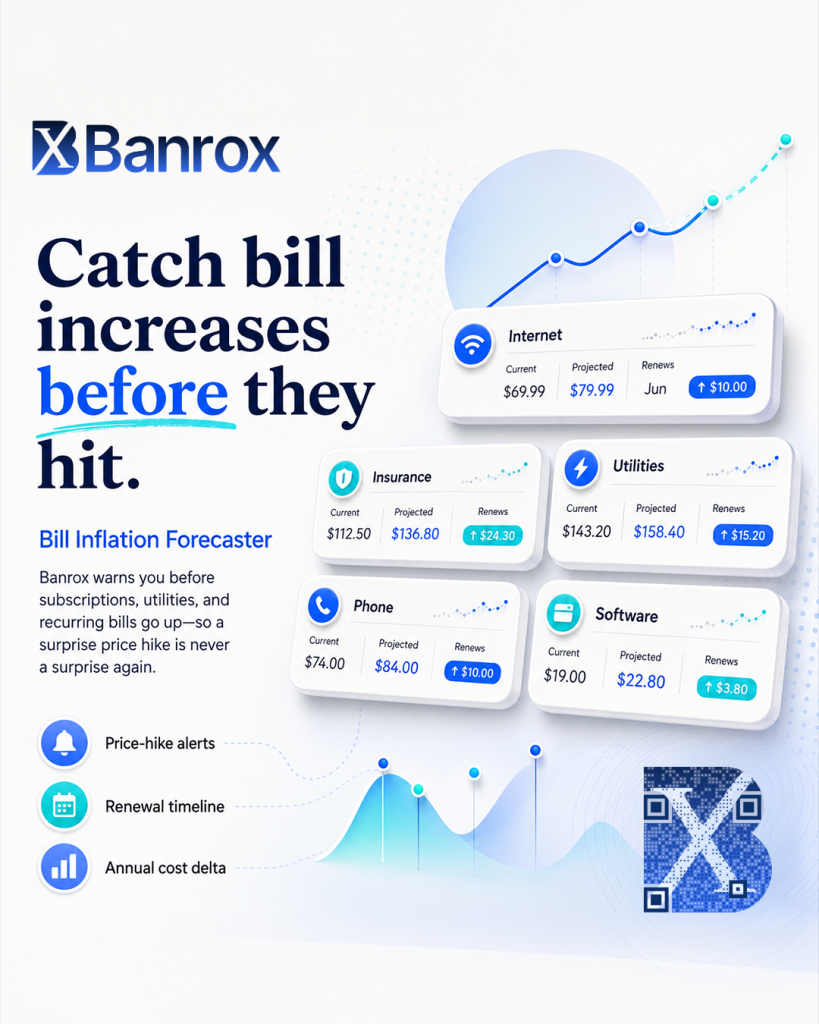
Banrox helps business owners kinda look at their company the way a lender would, before they even submit a financing app. Instead of just guessing what lenders will see, you get to review your business credit profile, the public record stuff, and those key financial details all in one place, like no extra hassle.
The platform can spot problems, for example outdated UCC filings, reporting inconsistencies, trade lines that are missing, and some other things that may quietly lower your fundability. If you handle those items early, your approval odds can go up, and you can then walk into financing with more confidence, and less wondering.
