

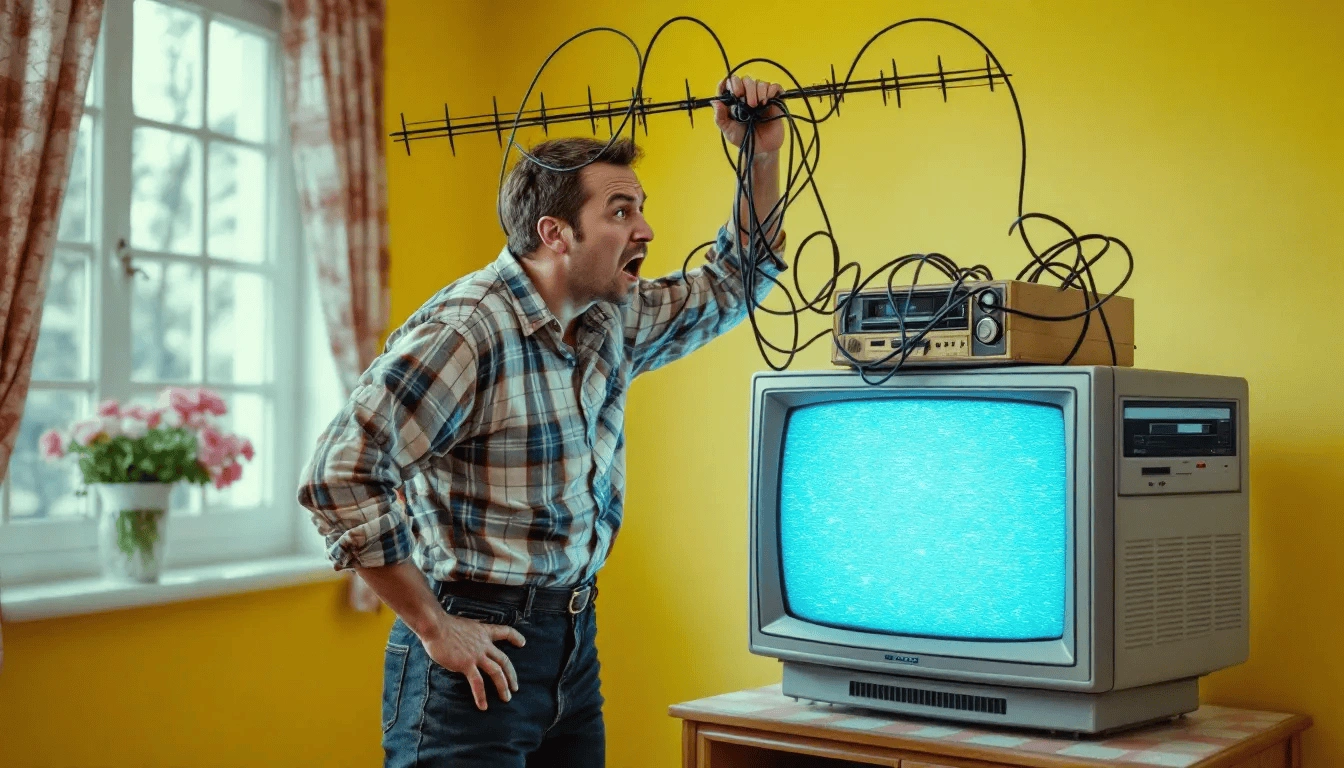
Television remains an important source of entertainment, news, and educational content for many households. While streaming services have grown in popularity, traditional broadcast television continues to provide reliable access to a wide range of channels. However, reception issues can develop over time, affecting picture quality and signal stability. Understanding the common causes of these problems can help homeowners identify potential faults and determine the most appropriate solution, including situations where tv aerial repairs may be required.
How Television Signals Reach the Home
Digital television signals are transmitted from broadcasting masts and received through an external aerial mounted on a property. The aerial captures these signals and transfers them through coaxial cabling into the television or set-top box. Every part of this system plays a role in maintaining a clear and consistent picture.
Even a minor fault within the installation can reduce signal strength or introduce interference. Because several components work together, diagnosing reception problems often requires considering the entire signal path rather than focusing on a single part.
Weather and Environmental Conditions
One of the most common influences on television reception is the weather. Strong winds, heavy rain, snow, and storms can all temporarily affect signal quality. In severe conditions, external aerials may shift slightly from their original position, reducing their ability to receive the strongest available signal.
Over time, repeated exposure to changing weather conditions can also weaken mounting brackets or cause gradual wear to outdoor equipment. Trees growing into the signal path, newly constructed buildings, or seasonal foliage can also reduce reception by partially blocking broadcast signals.
Signs That an Aerial May Need Attention
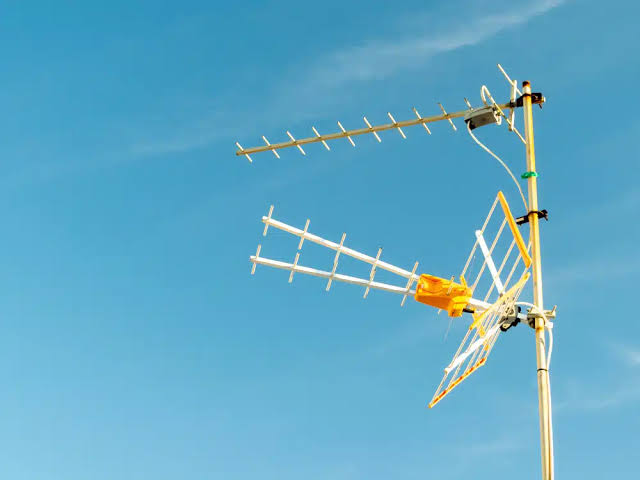
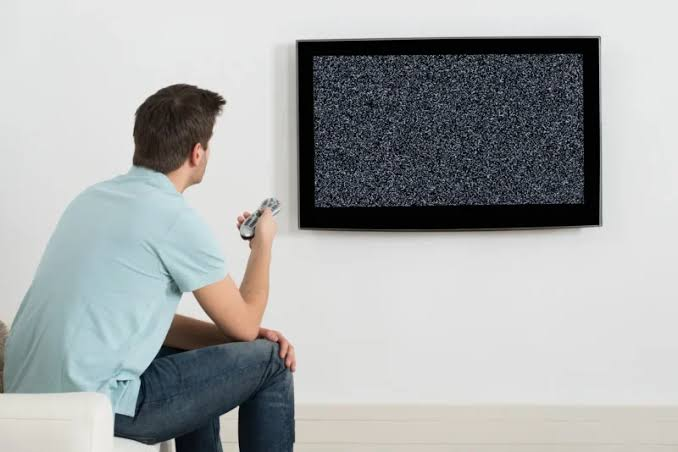
Television reception problems can appear in several ways. Some issues develop gradually, while others occur suddenly following adverse weather or accidental damage.
Common indicators include:
- Pixelated or frozen images.
- Missing television channels.
- Complete loss of signal.
- Intermittent reception throughout the day.
- Audio cutting in and out.
- Error messages stating that no signal is available.
Although these symptoms may point towards aerial faults, they can also result from damaged cables, faulty connectors, or equipment problems inside the property.
The Importance of Cabling
The aerial itself is only one part of the reception system. The coaxial cable carries the television signal from the aerial into the home, making its condition equally important.
Outdoor cables are exposed to sunlight, rain, frost, and temperature changes for many years. Cracked insulation, water ingress, corrosion, or loose connectors can all reduce signal quality. Even small areas of damage may create intermittent faults that become more noticeable during poor weather.
Regular inspection of external cabling helps identify deterioration before it leads to complete signal loss.
Understanding the Role of TV Aerial Repairs
When reception problems are traced to physical damage or ageing equipment, tv aerial repairs can restore the system without requiring a completely new installation. Repair work may involve replacing damaged brackets, realigning the aerial, fitting new connectors, repairing or replacing sections of cable, or securing loose fixings.
The appropriate repair depends on the condition of the existing equipment. In many cases, the aerial itself remains functional while supporting components have deteriorated over time. Careful assessment helps determine whether repair or replacement is the most practical approach.
Internal Equipment Checks
Before assuming an outdoor fault exists, it is useful to check the equipment inside the home. Loose television leads, incorrectly fitted connectors, or accidental changes to television settings can sometimes create reception issues that resemble aerial problems.
Simple checks may include ensuring all cables are securely connected, confirming that the television is tuned correctly, and testing another television point if available. These steps can help eliminate internal causes before further investigation is needed.
Preventing Future Reception Issues
Although no outdoor installation is completely immune to wear, several measures can help extend the life of television reception equipment.
Selecting durable mounting hardware reduces the likelihood of movement during strong winds. Weather-resistant cables and quality connectors help minimise moisture damage. Keeping surrounding trees trimmed where appropriate can also reduce interference with incoming signals.
Periodic visual inspections of external equipment may reveal loose fittings or visible cable damage before more significant reception problems develop.
Why Accurate Diagnosis Matters
Television reception issues can have multiple causes, and symptoms often overlap. A missing channel may result from poor alignment, damaged cabling, interference, ageing equipment, or changes in local broadcasting conditions. Replacing components unnecessarily may not resolve the underlying problem if the true fault lies elsewhere.
A systematic inspection of the aerial, cable route, connectors, and television equipment provides a clearer understanding of the source of the issue. Identifying the correct cause allows appropriate repairs or adjustments to be carried out while avoiding unnecessary replacement of functioning equipment.
Conclusion
Reliable television reception depends on the combined performance of several interconnected components. External aerials, cabling, connectors, mounting hardware, and indoor equipment all contribute to maintaining a stable signal. Environmental conditions and natural ageing can gradually affect any part of this system, leading to interruptions in viewing quality.
Understanding how these components work together makes it easier to recognise the signs of developing faults and appreciate when tv aerial repairs may be appropriate. Regular maintenance, careful inspection, and prompt attention to damaged equipment can help preserve consistent reception and extend the lifespan of an existing television aerial system.
