

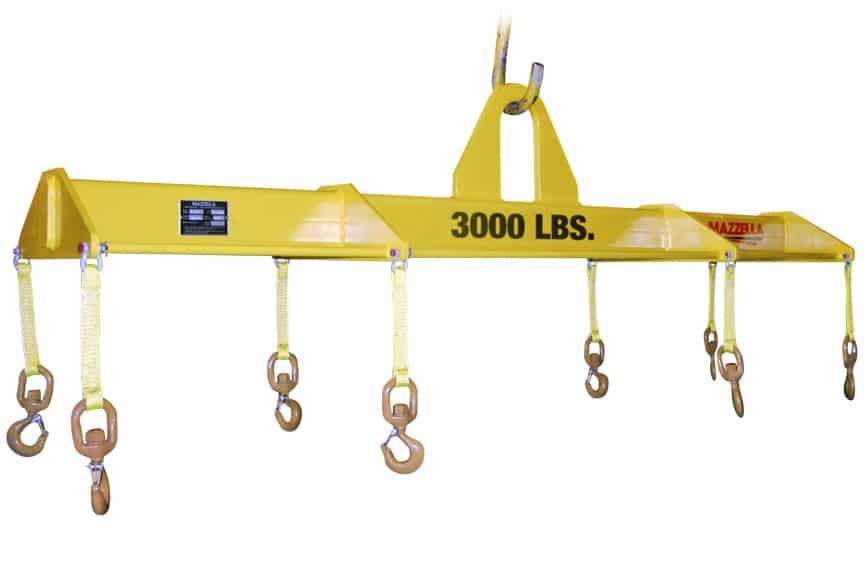
Lifting heavy materials is a routine part of many industrial, manufacturing, construction, and warehouse operations. However, moving heavy or awkward loads comes with significant safety risks when the wrong equipment is used. Below-the-hook lifting devices can help improve load control, reduce handling risks, and make lifting operations more predictable and secure.
From lifting beams and spreader beams to clamps, magnets, and other specialized attachments, the right equipment can make a major difference in workplace safety. Understanding how these devices work and how to use them correctly is essential for companies that depend on cranes for material handling.
What Are Below the Hook Lifting Devices?
Below the hook lifting devices are equipment components positioned between a crane hook and the load. They are designed to connect, support, position, or control materials during lifting operations.
Unlike the crane itself, these devices directly interact with the load. They can help distribute weight, maintain stability, and provide better control when handling materials with unusual shapes, sizes, or lifting requirements.
Common examples include lifting beams, spreader beams, plate clamps, lifting magnets, coil lifters, C-hooks, and custom lifting fixtures. Each device serves a specific purpose, so selecting the correct option for the job is an important part of safe lifting.
How Below the Hook Equipment Improves Safety
Using suitable below the hook equipment can reduce several common hazards associated with material handling. When a load is improperly secured or unbalanced, it may shift, swing, tilt, or fall during lifting. These incidents can cause serious injuries, equipment damage, and costly operational disruptions.
A properly selected lifting device helps provide better control over the load. For example, lifting beams can distribute forces across multiple lifting points, while spreader beams can help maintain the correct distance between attachment points.
Specialized equipment can also reduce the need for workers to manually position or manipulate heavy materials. This creates greater separation between employees and suspended loads, helping reduce exposure to potentially dangerous situations.
Choosing the Right Crane Lifting Devices
There are many crane lifting devices available, and each is designed for different applications. Choosing the correct device requires consideration of the load’s weight, dimensions, shape, center of gravity, lifting points, and material type.
For example, a lifting beam may be appropriate for long or heavy loads that require support at several points. Plate clamps can be suitable for certain steel plate handling applications, while lifting magnets may be used with compatible ferrous materials.
The rated capacity of the device is another critical consideration. Equipment should never be used beyond its rated capacity. The crane, lifting device, rigging components, and load should all be evaluated as part of the complete lifting system.
Crane Lifting Safety Starts with Inspection
Equipment inspection is an essential part of crane lifting safety. Before use, workers should examine lifting devices for visible damage, excessive wear, cracks, corrosion, deformation, missing components, or other conditions that could affect performance.
Any equipment that appears damaged or defective should be removed from service until it has been properly evaluated and, where appropriate, repaired or replaced.
Regular inspections should also be incorporated into a documented maintenance and safety program. The frequency and type of inspection should reflect the equipment, operating conditions, usage, and applicable safety requirements.
Proper Use of Lifting Attachments
Lifting attachments should always be used according to their intended purpose and manufacturer instructions. Operators and riggers should understand the device’s limitations, rated capacity, attachment points, and proper operating procedures.
Loads should be correctly positioned and secured before they are lifted. Workers should also account for the load’s center of gravity to help prevent unexpected movement.
During lifting operations, personnel should avoid standing or working underneath suspended loads. Communication between crane operators and ground personnel is also important, particularly in environments where visibility may be limited.
Training plays an equally important role. Employees involved in lifting operations should receive appropriate instruction on equipment selection, inspection, load handling, and safe operating procedures.
Custom Solutions for Unique Lifting Requirements
Not every lifting application can be handled effectively with standard equipment. Manufacturing facilities and industrial operations may work with unusually shaped, oversized, or specialized loads that require a custom solution.
Custom below-the-hook devices can be designed around specific load dimensions, lifting points, and handling requirements. When properly engineered and used within their approved specifications, these solutions can improve load stability and make difficult lifting tasks more controlled.
Building a Safer Lifting Environment
Improving workplace safety is not simply about purchasing new equipment. It requires a combination of proper equipment selection, regular inspection, employee training, effective communication, and safe operating procedures.
Below the hook lifting devices can be an important part of this approach. By providing better load support, stability, and control, they can help reduce risks during demanding lifting operations.
Whether a facility uses lifting beams, spreader beams, clamps, magnets, or specialized lifting attachments, choosing the right equipment for each application is essential. When combined with proper training and strong crane lifting safety practices, quality below-the-hook equipment can support safer, more efficient, and more reliable material handling.
