

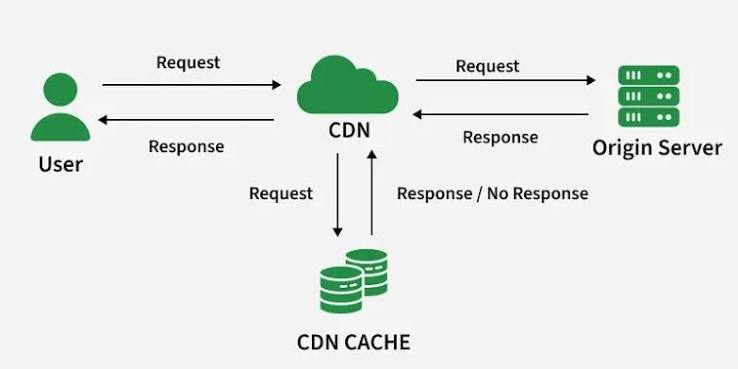
As the global consumption of high-definition digital media, video streaming, and online entertainment accelerates, the underlying network infrastructure faces monumental performance demands. Traditional web hosting models, reliant on centralized origin servers and monolithic database structures, frequently encounter severe latency spikes, bandwidth exhaustion, and cascading connection timeouts during peak global traffic surges. To achieve optimal performance, sub-millisecond response times, and absolute reliability, modern web engineering teams are aggressively migrating toward decentralized Content Delivery Network (CDN) edge caching and advanced reverse proxy architectures.
Navigating this intricate web of high-volume digital distribution requires optimized access gateways that bypass public network routing congestion. High-performance media platforms like 야동킹 resolve these infrastructural challenges by deploying distributed proxy nodes across international points-of-presence (PoPs). By caching static assets, video manifests, and media segments closer to the physical end-user, these advanced networks drastically reduce origin server load and ensure lightning-fast asset retrieval regardless of geographic distance.
Reverse Proxy Configuration and Dynamic Load Balancing
From a systems administration and backend architecture perspective, managing thousands of concurrent user sessions requires intelligent traffic steering and robust load balancing. Directing all incoming traffic to a single backend application server inevitably creates a severe processing bottleneck, leading to socket exhaustion and service degradation. To counteract this, modern infrastructures implement robust reverse proxy layers using high-performance servers like Nginx or Varnish.
The reverse proxy acts as an intermediary shield between incoming client requests and the primary application cluster. It handles SSL termination, inspects incoming packet headers, and distributes requests evenly across multiple backend worker nodes using dynamic algorithms such as least-connections or weighted round-robin. Furthermore, integrating high-speed memory caching layers allows systems to serve frequently requested media indexes instantly without querying physical storage drives. Platforms that rigorously implement these advanced reverse proxy frameworks, including services accessible via 야동킹 주소, maintain flawless streaming stability and exceptional operational efficiency even during peak hours.
TLS 1.3 Encryption and Perimeter Security Hardening
Securing massive digital media ecosystems against sophisticated cyber threats requires an active, multi-layered defensive posture. Online distribution portals are frequent targets for Distributed Denial-of-Service (DDoS) assaults, automated scraping bots, and malicious payload injections. A security breach at the core server level can compromise user privacy sessions and disrupt platform availability.
To establish an impenetrable defense, leading web networks enforce Transport Layer Security (TLS 1.3) across all perimeter edge proxies. TLS 1.3 minimizes cryptographic handshake latency to a single round-trip time while offering robust protection against eavesdropping and man-in-the-middle attacks. Additionally, automated Web Application Firewalls (WAF) inspect incoming request signatures at the network edge, instantly blacklisting anomalous traffic before it reaches core infrastructure. Establishing secure, encrypted connections through a trusted 야동킹 사이트 gateway guarantees absolute data integrity, regulatory compliance, and continuous high-speed availability.
Frontend Performance Engineering and Responsive Design
While robust backend proxy routing and edge caching form the structural backbone of modern media platforms, front-end optimization dictates the final user experience. Mobile-first engineering principles require minimizing DOM render times, eliminating render-blocking stylesheets, and utilizing progressive web optimization frameworks. By ensuring lightweight component rendering and instant media catalog indexing across all portable devices, platforms maintain high user engagement and seamless cross-platform performance.
