

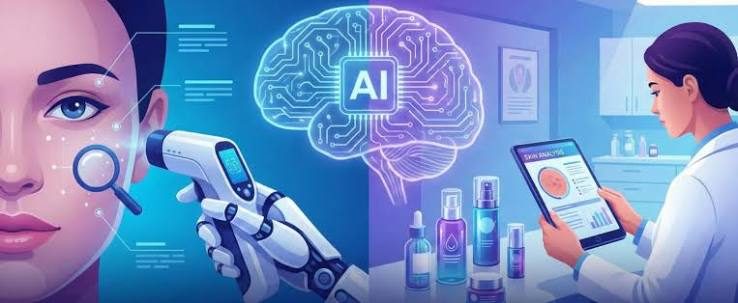
Remember when a skin problem meant waiting weeks for an appointment, sitting in a crowded clinic, and hoping the doctor had time to actually look closely at your skin? Those are actually gone days. Dermatology today looks nothing like it did even five years ago, and most people have no idea how much has changed behind the scenes.
From smart cameras that can spot early signs of skin cancer to lasers that adjust themselves mid-treatment, technology has indeed rewritten the rules of skin care. And the shift isn’t just happening in fancy research labs. It’s showing up in everyday clinics, including the ones treating regular people for regular concerns like acne, pigmentation, and unwanted hair.
Traditional vs Tech-Enabled Dermatology
Comparing old-school clinic visits with today’s tech-driven approach makes the shift easy to see. Here’s a quick side-by-side look at what’s changed and why it genuinely matters:
| Aspect | Traditional Approach | Tech-Enabled Approach |
| Diagnosis | Visual check by doctor alone | AI-assisted image analysis |
| Laser treatments | Fixed, generic settings | Real-time skin tone adjustment |
| Access | In-person visit required | Video consultations available |
| Monitoring | Occasional check-ups | Wearable and app-based tracking |
AI Is Becoming a Second Set of Eyes for Doctors
One of the biggest changes in dermatology right now is AI stepping in as a diagnostic partner. Recent research comparing AI models to actual clinicians found that AI tools achieved a sensitivity of around 87% for detecting skin cancer, slightly ahead of what clinicians achieved on their own. Some newer studies pushed that number even higher, with certain systems catching early-stage melanoma more accurately than doctors working without any AI support.
What does that actually mean for you? It means when a dermatologist looks at a suspicious mole or patch, there’s often software analyzing the same image, flagging patterns that might be easy to miss with the naked eye. You can call it a second opinion that never gets tired and never blinks.
Hospitals are already experimenting with AI tools that can identify skin cancer with accuracy close to a trained physician. Dermatologists are using similar image-based tools to prioritize which patients need urgent attention versus a routine follow-up.
Smarter Machines Are Changing In-Clinic Treatments Too
And guess what? It’s not just about diagnosis, either. The actual equipment used for derma treatments has gotten a serious, noticeable upgrade too. Take something as common as laser hair removal treatment. A decade ago, lasers ran on fixed settings that didn’t account for individual skin tone or hair thickness very well.
Today’s machines can read skin type in real time and adjust energy levels instantly, which means fewer side effects and more consistent results across different skin tones.
This kind of real-time parameter adjustment is a genuine game-changer for both aesthetic and therapeutic treatments, as it allows more precise targeting with better safety margins. In simple terms, machines are getting smarter about reading your skin instead of treating everyone the same way.
Clinics that have adopted this kind of updated technology, like Avanti Skin Clinic, are seeing treatments become faster, safer, and far more comfortable for patients who once dreaded sitting through long sessions with generic settings.
Teledermatology Made Skin Care Accessible
Not everyone lives near a good dermatologist, and that used to be a real, frustrating problem, especially in smaller towns and cities. Teledermatology has changed that almost entirely. Now, you can send photos of a rash or skin concern and get expert input without leaving your house.
This matters more than it might seem. Countries with fewer dermatologists per person have leaned heavily on AI-supported virtual consultations to fill the gap, and the results have been genuinely promising, with several tools reaching accuracy levels close to in-person visits for common conditions. Real-time video consultations paired with AI-assisted analysis now let doctors interact with patients remotely while still getting a detailed, data-backed read on what’s happening with their skin.
For someone juggling a full-time job, caring for kids, or living an hour away from the nearest clinic, this convenience is quite important. You can’t keep postponing the derma visit forever.
Skin Devices Are Getting Smarter at Home Too
Beyond clinics, technology has also crept into everyday skincare routines. Apps that scan your face and claim to detect acne, wrinkles, or pigmentation have exploded in popularity. Some are genuinely useful for tracking changes over time. Others are more style than substance, and experts have pointed out that the beauty-tech side of this industry still has a long way to go before it matches the reliability of clinical tools.
Still, even imperfect home tools are nudging people to pay closer attention to their skin and seek professional help earlier instead of ignoring a problem until it gets worse. That shift in awareness alone is a quiet win for public health.
Wearable sensors are also entering the conversation, though slowly. Some devices can now track hydration levels or sun exposure throughout the day, sending gentle nudges when it’s time to reapply sunscreen or when skin conditions might be worsening. It’s early days for this kind of tech, and most of it still needs real clinical backing before anyone should rely on it heavily.
Why This Actually Matters for You
All this innovation sounds great on paper, but here’s the real-world impact.
- Faster, more accurate diagnosis means skin cancers get caught earlier, when treatment is simpler and outcomes are better.
- Smarter equipment means fewer burns, less irritation, and treatments that actually match your skin type instead of a one-size-fits-all approach.
- Better access through virtual consultations means you don’t have to live near a major hospital to get expert advice.
None of this replaces the value of an experienced dermatologist sitting across from you, asking the right questions, and understanding your specific history. Technology works best as a support system, not a substitute for real expertise and judgment.
There’s also a growing conversation among dermatologists themselves about making sure these tools are validated properly before they’re used widely, since AI trained mostly on lighter skin tones can sometimes perform less reliably on darker skin. Responsible clinics are aware of this gap and are choosing technology that’s been tested across diverse skin types, not just borrowed from research done somewhere else entirely.
What This Means Going Forward
Skin care is moving toward something more personalized, more data-informed, and more convenient than it’s ever been. Whether it’s an AI system flagging an early warning sign, a laser adjusting itself to your exact skin tone, or a video call replacing a two-hour commute across the city, the direction is clear. Technology-assisted dermatology is making treatment more efficient and impactful. It’s making good dermatology more accurate, more accessible, and easier to reach for people who need it most.
If you’ve been putting off a skin concern because visiting a clinic felt like a hassle, that excuse is getting weaker by the year. The tools available today make it easier than ever to get a proper assessment without the old friction. So if something on your skin has been bothering you, or you’re simply curious about what modern treatments could do for you, it might be worth taking an expert opinion and assessment.
Go ahead and book a dermatology consultation today!
