

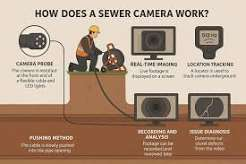
Drainage systems can develop blockages, cracks, leaks, and other hidden problems that are difficult to identify from the surface. CCTV drain inspections provide a practical way to view the inside of a pipe without extensive excavation. During these inspections, pipeline plugs can help isolate a specific section, control the movement of wastewater, and create better conditions for examination. When used correctly, they can make the inspection process more controlled and support accurate identification of drainage problems.
What Is a Pipeline Plug?
A pipeline plug is a temporary sealing device placed inside a drainage or sewer pipe to restrict or stop the flow through a particular section. Inflatable versions are inserted into the pipe while deflated and then expanded until they press against the internal pipe walls. This creates a temporary barrier that separates one section from another.
The main purpose is not to permanently close the drainage line. Instead, the plug provides temporary isolation while inspection, maintenance, testing, or localized repair work takes place. The website explains that inflatable plugs can be used to seal pipe sections so that CCTV inspection or localized repair work can be performed safely.
How Does CCTV Drain Inspection Work?
CCTV drain surveying uses specialized camera equipment to examine the interior condition of drainage pipes. Instead of opening large sections of flooring, roads, or other surfaces, a camera can travel through the pipe and provide visual information about its internal condition.
The footage can help identify issues such as blockages, cracks, structural defects, and other irregularities. Modern inspection systems can also produce recorded footage and detailed reports, making it easier for property owners, contractors, and facility managers to understand the condition of their drainage infrastructure.
However, wastewater movement can sometimes make inspection more difficult. This is where temporary pipe isolation becomes useful.
Why Is Flow Control Important During an Inspection?
A drainage pipe may continue carrying water or wastewater while an inspection is being performed. Continuous flow can affect visibility, interfere with camera movement, or make it harder to examine a particular area clearly.
A temporary plug can separate the section being inspected from the active flow elsewhere in the system. Depending on the circumstances, this can provide a more controlled environment for the inspection team.
Flow control is particularly useful when the objective is to examine a specific section rather than simply travel through an entire drainage network. By limiting unwanted movement through the inspected area, technicians can work with greater control and obtain clearer information about the pipe’s internal condition.
How Do Pipe Plugs Support CCTV Drain Surveys?
Pipe isolation can make CCTV drain surveying more controlled and effective. First, the drainage system and inspection area are assessed to determine the appropriate location for temporary sealing.
A suitable plug is then positioned and secured inside the pipe to restrict wastewater flow. Once the section is isolated, a CCTV camera can be introduced to examine the internal condition of the pipeline. This allows technicians to focus on specific areas without continuous water movement affecting visibility.
Temporary isolation can also support localized repairs when required. Overall, pipe plugs help create suitable inspection conditions and improve control during drainage maintenance and assessment.
What Problems Can CCTV Inspections Identify?
A CCTV inspection can provide valuable visual information that may not be available through a surface-level assessment. Depending on the condition of the pipe, the camera may reveal:
- Cracks or fractures
- Structural deterioration
- Blockages
- Debris accumulation
- Misaligned sections
- Possible areas requiring repair
- Other visible defects inside the drainage line
Finding these conditions early can help property and facility managers determine what type of maintenance may be appropriate. Instead of relying entirely on assumptions, they can use recorded visual evidence to understand where attention is required.
This approach can also help avoid unnecessary excavation. If the problem can be located and understood through an internal inspection, repair planning can become more targeted.
When Are Pipe Plug Solutions Useful?
Pipe plug solutions in Dubai can be particularly relevant when drainage maintenance requires temporary isolation of a particular section. For example, a contractor may need to inspect a pipe before deciding whether localized repair is necessary.
They can also be useful during maintenance activities where controlling wastewater movement is important. The appropriate plug depends on factors such as pipe diameter, operating conditions, pressure requirements, pipe material, and the purpose of the work.
Therefore, selecting and installing the correct equipment is an important part of the inspection process.
How Can Pipe Plugs Improve Inspection Efficiency?
Temporary isolation helps technicians concentrate on a specific section of a drainage network instead of examining the entire system at once. By controlling flow within the targeted area, inspections can become more organized and focused.
If CCTV surveying identifies a blockage, crack, or structural issue, technicians can assess its exact location and determine suitable maintenance requirements. This may involve cleaning, localized repairs, additional investigation, or regular monitoring. Temporary isolation can also reduce disruption during maintenance.
Since CCTV inspections provide internal visibility without extensive excavation, combining them with controlled flow can create better working conditions while helping teams investigate drainage problems more efficiently and accurately.
Safety Considerations When Using Pipe Plugs
Pipe plugs must be used carefully because drainage systems can contain flowing wastewater and potentially hazardous conditions. Incorrect installation, inadequate inflation, or unsuitable equipment can create safety risks.
The manufacturer’s requirements should be followed for inflation pressure and operating conditions. The plug should also be monitored during use to identify potential leakage, movement, or pressure changes.
Personnel working with drainage systems should have appropriate training and follow established safety procedures. The website also emphasizes trained personnel and safety-focused sewage and drainage maintenance practices.
Conclusion
CCTV drain inspections provide an effective way to understand what is happening inside a drainage pipe without immediately resorting to disruptive excavation. Pipeline plugs can complement this process by temporarily isolating sections and helping technicians manage flow during inspection or localized maintenance. When properly selected, installed, and monitored, they can contribute to safer, more controlled drainage investigations and better-informed maintenance decisions.
With extensive industry experience, JB Allo Sewage provides specialized drainage services across Dubai and the UAE, including CCTV drain surveying, pipe plug solutions, high-pressure jetting, and sewage lift station pumping. Their approach combines advanced inspection equipment, trained technicians, specialized vehicles, and safety-focused procedures to support residential, commercial, and industrial drainage requirements. The company also provides preventive and responsive maintenance services tailored to individual site conditions.
