

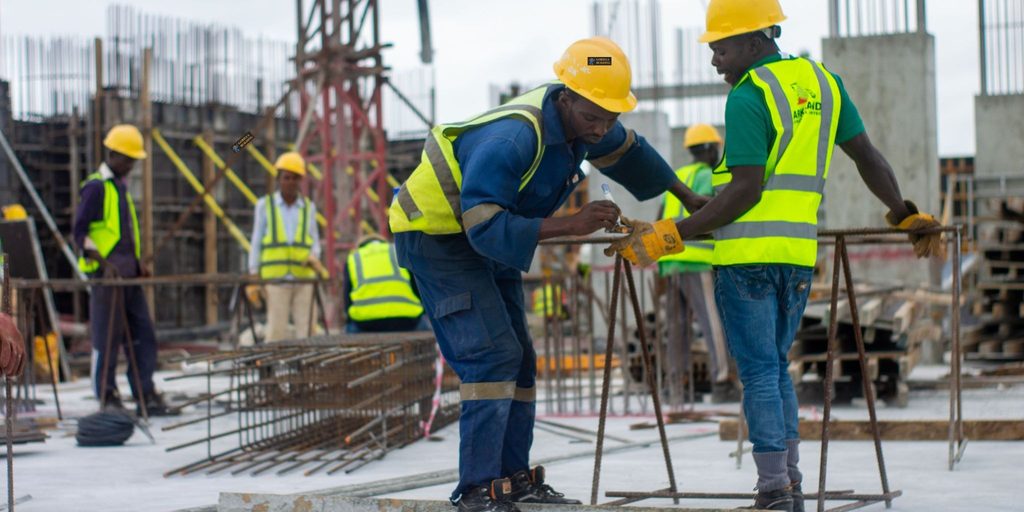
A well-planned property should do more than look good when it is finished. It should be strong, practical, comfortable, and suited to the way people will use it. Whether you are developing a commercial facility or improving an outdoor area at a property, the materials and professionals you choose can have a lasting impact on the final result.
Steel construction and deck projects are two examples where careful planning can make a noticeable difference. A properly designed steel building can provide a durable and flexible space for many commercial uses, while a thoughtfully built deck can add useful outdoor space and improve the overall appearance of a property.
Understanding the Benefits of Steel Construction
Steel has become a popular choice for many commercial construction projects because of its strength and versatility. It can be used for warehouses, workshops, storage facilities, agricultural buildings, retail spaces, and other structures that require a dependable framework.
One of the biggest advantages of steel is its ability to handle demanding conditions. Properly designed steel structures can provide long-term durability while requiring relatively straightforward maintenance.
Steel construction can also offer flexibility when planning the interior of a building. Open layouts can make it easier to arrange equipment, storage areas, workspaces, and other facilities according to changing business needs.
Choosing the Right Commercial Construction Team
The quality of a steel structure depends on more than the material itself. Design, fabrication, site preparation, assembly, and finishing all need to be handled properly.
When searching for commercial steel building contractors, property owners should look at experience with projects similar to their own. A contractor familiar with commercial steel construction can help address important considerations such as building size, intended use, structural requirements, site conditions, and project scheduling.
It is also worth discussing the complete scope of work before construction begins. Understanding what is included in the estimate can help prevent confusion about foundation work, framing, insulation, exterior finishes, doors, electrical systems, and other components.
Plan the Building Around Its Purpose
Every commercial building has different requirements. A warehouse may need large access doors and significant storage capacity, while a workshop may require specialized ventilation, electrical systems, or equipment areas.
Planning around the building’s intended use can help prevent expensive changes later. Think about how employees, customers, vehicles, equipment, and materials will move through the property.
Future growth should also be considered. A business may have different space requirements several years from now, so creating a flexible layout can provide additional value over the building’s lifespan.
Site Preparation Is an Important First Step
Before a steel structure can be assembled, the site needs to be properly prepared. Depending on the property, this may involve grading, drainage improvements, excavation, utility planning, and foundation work.
Poor site preparation can create problems that affect the building long after construction is complete. Water drainage is particularly important because uncontrolled water can affect foundations, surrounding areas, and access points.
A detailed site assessment can help identify potential issues before construction begins and provide a clearer path for the project.
Think About Insulation and Energy Performance
A strong structure is important, but comfort and energy performance should also be part of the planning process. Commercial buildings can become uncomfortable when heat enters or escapes through poorly insulated areas.
Proper insulation can help regulate indoor temperatures and reduce the workload placed on heating and cooling equipment. Doors, windows, roofing, and ventilation should also be considered as part of the overall building envelope.
Addressing these details during construction is generally more practical than trying to correct them after the building is finished.
Outdoor Spaces Can Add Practical Value
Commercial and residential properties can also benefit from well-designed outdoor spaces. A deck can provide an area for relaxing, entertaining, dining, meetings, customer use, or other activities.
A deck is not simply an addition to the property. Its design should take into account how people will use it, how much space is available, and the type of environment where it will be built.
The right materials and construction methods can help create an outdoor space that is attractive while also standing up to regular use and changing weather.
Finding Experienced Local Deck Professionals
Property owners looking for local deck contractors should consider workmanship, experience, materials, communication, and knowledge of local conditions.
A professional deck contractor can help with important design decisions, including size, layout, stairs, railings, surface materials, and structural support. They can also identify potential concerns related to drainage, ground conditions, and access.
Local experience can be especially useful because outdoor structures are exposed to weather year-round. Select materials and construction methods with the property’s environment and expected use in mind.
Select Deck Materials Carefully
Decking materials can vary considerably in appearance, durability, maintenance requirements, and price. Wood remains a popular option because of its natural appearance, while composite materials can provide an alternative for property owners looking for different maintenance characteristics.
The best choice depends on the property’s needs and the owner’s priorities. Consider how much maintenance you are willing to perform, how the deck should look, how often it will be used, and how long you expect it to remain in service.
A contractor can explain the advantages and limitations of different materials so you can make a practical decision.
Design for Safety and Comfort
A deck should be designed with safety in mind from the beginning. Stairs, railings, structural supports, walking surfaces, and lighting can all contribute to a safer outdoor environment.
The deck’s layout should also allow people to move comfortably without creating unnecessary congestion. If furniture, grills, outdoor equipment, or other items will be placed on the deck, leave enough space for normal movement.
Good design combines appearance with practical use. A beautiful deck that is difficult to access or maintain will not provide the same value as a space designed around the people who use it.
Maintenance Helps Protect Your Investment
Both steel buildings and decks benefit from regular maintenance. While steel can be highly durable, inspections can help identify corrosion, damaged finishes, loose components, or drainage concerns before they become larger issues.
Decks should also be inspected periodically for signs of deterioration, loose boards, damaged railings, water-related problems, or other concerns. Cleaning and routine maintenance can help preserve the appearance and functionality of the space.
The specific maintenance schedule will depend on the materials, age, exposure, and amount of use.
Consider Long-Term Value
Construction decisions should not be based solely on the initial price. A lower-cost material or rushed installation may create additional maintenance or repair expenses later.
Instead, consider the expected lifespan, maintenance requirements, durability, appearance, and functionality of the finished project. Spending wisely on quality construction can provide better value over time.
This approach applies to both major commercial structures and smaller property improvements. The goal should be to create spaces that continue to serve their purpose rather than simply completing the project as quickly as possible.
Final Thoughts
Whether you are planning a large commercial structure or adding useful outdoor space, thoughtful construction can make a significant difference. Quality materials, careful design, proper preparation, and experienced workmanship can help ensure that the finished project is durable and practical.
Taking time to define your needs and evaluate your construction options before work begins can also help control costs and avoid unnecessary complications. With the right planning, a new structure or outdoor addition can improve the property’s function, appearance, and long-term value.
