

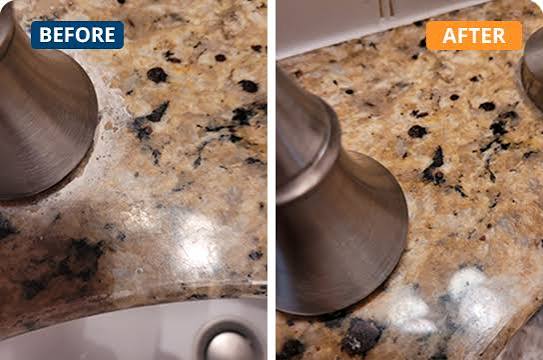
Granite may appear dull even when its surface is free of obvious dirt. Cooking residue, hard-water deposits, harsh products, and daily contact can cloud the finish or wear down protective treatment. Professional restoration addresses those problems effectively through inspection, stone-safe preparation, polishing, repair, and sealing. Unlike basic cleaning, the goal is to improve the surface itself, restore a consistent appearance, and help the material perform better during everyday use.
Many property owners begin with routine cleaning, but restoration requires a closer review. A technician looks for stains, etching, scratches, dull patches, worn sealer, seam problems, and edge chips. For ongoing surface care, granite cleaning services in Chicago can remove buildup even before it develops into a harder restoration issue. That assessment also helps determine whether the stone needs honing, polishing, repair, or fresh protection.
Assessment Comes First
A professional granite restoration expert begins by finding out why the granite looks worn. Cleaner residue, mineral scale, grease, abrasion, and an exhausted sealer can all create a cloudy appearance. Since each condition responds to a different treatment, one product or machine setting cannot solve every surface problem.
The technician also considers how the stone is used. Kitchen counters may collect oil near cooktops, while bathroom surfaces often show mineral deposits around sinks and faucets. Reception desks and other commercial counters can develop broad wear from constant contact. This review sets practical expectations and prevents unnecessary work.
Surface Preparation
Polishing should never begin on a dirty or coated surface. Grit, wax, soap film, and old product residue can clog abrasive pads or spread across the slab. In some cases, that material can create new marks during machine work.
Preparation may involve a neutral stone cleaner, gentle agitation, spot treatment, and thorough rinsing. The granite must then dry fully before its condition is judged. Moisture can conceal discoloration, affect the finish, and interfere with sealer performance. Edges, seams, corners, and backsplash areas need equal attention.
Repairing Visible Damage
Restoration often includes repairs, not just shine improvement. Chips along a counter edge can trap food and dirt, then grow with repeated impact. Small cracks may need filling, while open seams require cleaning and adhesive work. Deep scratches usually need gradual abrasion before the final finish can be restored.
Color matching also has a strong effect on the result. A filler that sharply contrasts with the slab can remain noticeable after polishing. Careful repair reduces that distraction while working with the granite’s natural movement and pattern. Filled areas should cure completely before later treatment continues.
Polishing Requires Control
Polishing removes a very thin layer of stone with progressively finer abrasives. The correct sequence depends on the granite’s hardness, existing finish, and level of wear. An overly aggressive starting pad can leave uneven areas or remove more material than necessary.
Several details affect the final appearance, including machine speed, pressure, water flow, and pad condition. Even passes help prevent cloudy spots and visible changes across the slab. Narrow edges and corners may require hand work because large equipment cannot reach them evenly. A quality finish looks uniform rather than artificially glossy.
Sealing for Daily Use
Granite resists fluid absorption better than many natural stones, yet suitable sealing still provides useful protection. A quality sealer slows the entry of oils, colored liquids, and moisture. It does not make the surface stain-proof, so spills still need prompt attention.
Before application, the stone must be clean and dry. The sealer is spread evenly, given time to penetrate, and buffed according to the product requirements. Excess material left on the surface can become hazy or sticky. Proper curing time matters, particularly in kitchens, bathrooms, restaurants, and busy offices.
What Basic Cleaning Cannot Do
Routine cleaning removes surface soil, but it cannot repair worn polish, deep scratches, chips, etching, damaged seams, or failed sealing. Some household products leave a film that makes the granite appear permanently dull. Abrasive powders and acidic liquids can also alter the finish.
Professional restoration provides a measured response based on the slab’s actual condition. Cleaning is combined with correction, finishing, repair, and protection. This approach can improve visual consistency and extend the useful life of a sound countertop without replacing it.
Conclusion
Professional granite restoration combines inspection, preparation, repair, polishing, and sealing. Each stage affects the next, which explains why quick cleaning rarely delivers lasting improvement. Proper treatment removes residue, reduces surface wear, repairs vulnerable areas, and brings back a more even finish.
Afterward, routine care remains important. Prompt spill removal and stone-safe products help restored granite stay attractive, functional, and easier to protect in residential or commercial settings.
