

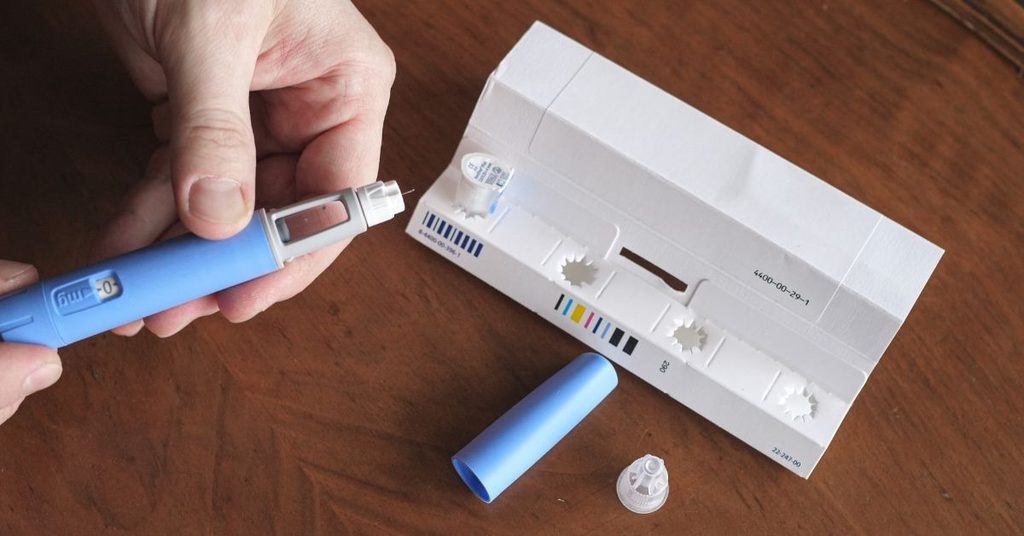
Mounjaro contains tirzepatide, a medication that works on two hormone pathways called GIP and GLP-1. These pathways play an important role in appetite regulation, food intake, and blood sugar control. By activating these receptors, tirzepatide can help reduce food intake and may support weight management for eligible patients when used with appropriate lifestyle changes.
Appetite control is an important part of weight management because frequent hunger and strong food cravings can make portion control difficult. Mounjaro may help some people feel satisfied with smaller meals and reduce the desire to eat as frequently. AM Rx provides mounjaro weight loss prescription for eligible patients when a healthcare provider determines it is medically appropriate, along with provider guidance, nutrition support, fitness recommendations, and ongoing medical care.
How Mounjaro Affects Appetite
Tirzepatide activates both GIP and GLP-1 receptors, which are involved in appetite and food intake. This action can influence hunger signals and may reduce the amount of food a person wants to consume during the day.
Mounjaro can also slow stomach emptying, particularly after the initial doses. This may contribute to a longer feeling of fullness following meals. These effects can make it easier for some people to manage portions and maintain a reduced-calorie eating pattern.
Feeling Full With Smaller Portions
Mounjaro may help some people feel satisfied after eating smaller portions. This can be useful for individuals who previously needed larger meals to feel comfortably full.
When smaller portions become more satisfying, reducing overall food intake may feel more manageable. Eating slowly and paying attention to physical fullness can further support healthy portion habits during treatment.
Managing Hunger Between Meals
Persistent hunger between meals can make weight management challenging. By influencing appetite-related pathways, Mounjaro may help reduce hunger and make it easier for some people to follow a consistent meal routine.
A lower appetite does not mean meals should be skipped. The body still needs adequate protein, fiber, vitamins, minerals, and fluids. Balanced meals can help maintain proper nutrition while supporting weight management.
Mounjaro and Food Cravings
Mounjaro may also influence eating behavior by reducing appetite and food intake. Some people may notice that certain foods feel less tempting or that they can manage cravings more easily during treatment.
Cravings can still happen because eating behavior is influenced by habits, emotions, stress, and the surrounding environment. Creating healthier routines around meals and snacks can complement the medication’s effects on appetite.
Supporting Weight Loss Through Lower Food Intake
Weight loss generally occurs when calorie intake remains lower than the amount of energy the body uses over time. Mounjaro can support this process by reducing appetite and food intake for eligible patients.
This does not mean that extreme calorie restriction is necessary. A balanced eating pattern with appropriate portions can provide important nutrients while supporting gradual weight loss. Consistency is more useful than highly restrictive eating habits that are difficult to maintain.
Understanding Mounjaro Dosage
Mounjaro treatment generally begins with a lower dose and increases gradually according to the prescribed schedule. The recommended starting dose is 2.5 mg once weekly, followed by 5 mg once weekly after four weeks. Further increases may be made in 2.5 mg increments after at least four weeks on the current dose when clinically appropriate.
Gradual increases allow the body time to adjust to treatment and help healthcare providers monitor tolerance. Patients should follow their prescribed dosage and should not increase or reduce the medication independently.
Healthy Nutrition During Treatment
Mounjaro can influence appetite, but nutritious food remains essential throughout treatment. Meals can include protein-rich foods, vegetables, fruits, whole grains, and healthy sources of fat.
When appetite decreases, focusing on nutrient-dense foods can help provide the body with essential nutrients in smaller portions. Adequate hydration is also important, particularly for people who experience digestive symptoms during treatment.
Physical Activity and Weight Management
Regular physical activity can complement Mounjaro and support overall health. Exercise can contribute to cardiovascular fitness, muscle strength, mobility, and energy expenditure while helping establish healthy long-term habits.
Activities can be selected according to individual fitness and abilities. Walking, cycling, swimming, resistance training, and other enjoyable forms of movement can all be included in a sustainable routine.
Possible Digestive Side Effects
Mounjaro may cause gastrointestinal side effects, including nausea, diarrhea, decreased appetite, vomiting, constipation, indigestion, and abdominal pain. These effects can sometimes be more noticeable when treatment begins or when the dose increases.
Persistent or severe symptoms should be discussed with a healthcare professional. Medical guidance can help determine whether symptoms require additional management or whether the treatment plan needs adjustment.
Medical Supervision for Mounjaro
Mounjaro is a prescription medication, making medical evaluation and monitoring important. A healthcare provider can review medical history, current medications, weight changes, appetite, and treatment tolerance before and during therapy.
Mounjaro also has important safety considerations. It should not be used by people with a personal or family history of medullary thyroid carcinoma or by people with Multiple Endocrine Neoplasia syndrome type 2. A healthcare professional can determine whether treatment is appropriate for an individual.
How AM Rx Supports Mounjaro Treatment
AM Rx provides medical weight management support for eligible patients and may prescribe Mounjaro when clinically appropriate. Its weight management services can include medical care, weight loss coaching, nutrition and fitness guidance, and progress tracking.
Mounjaro Treatment Through AM Rx
Explore Mounjaro treatment through AM Rx
Ongoing support can help eligible patients monitor their weight, appetite, eating habits, and overall response to treatment while working toward sustainable health goals.
Individual Weight Loss Results Can Vary
Mounjaro does not produce identical results for everyone. Starting weight, dosage, treatment duration, eating habits, physical activity, health conditions, and individual biological factors can all affect the amount of weight a person loses.
Clinical studies provide average results across groups of participants rather than guaranteeing a particular outcome. Regular follow-up with a healthcare provider can help evaluate individual progress and treatment response.
Building Sustainable Appetite Habits
Mounjaro may make appetite easier to manage, providing an opportunity to develop healthier eating habits. Eating balanced meals, controlling portions, recognizing fullness, and limiting unnecessary snacking can support long-term weight management.
These habits can remain useful throughout treatment and beyond. The goal is not simply to eat less but to create a sustainable eating routine that provides adequate nutrition and supports healthy weight management.
Final Thoughts
Mounjaro supports weight loss and appetite control through tirzepatide’s activity on GIP and GLP-1 receptors. It can reduce food intake, influence hunger, and contribute to feelings of fullness, which may help eligible people manage portions and follow a reduced-calorie eating pattern.
Mounjaro works best as part of a broader medical weight management plan that includes nutritious eating, physical activity, and appropriate monitoring. AM Rx provides medical care, weight loss coaching, nutrition and fitness support, and progress tracking for eligible patients throughout their treatment journey.
