

Allergies and rhinitis are common health concerns in Singapore, with many people experiencing symptoms such as sneezing, blocked nose, runny nose, itchy eyes and nasal congestion.
However, because these symptoms are often mistaken for a common cold or viewed as a minor inconvenience, many people may misunderstand what causes allergies, how they should be treated and when medical advice is needed.
Some Singaporeans may assume that allergies are something they simply have to tolerate, while others may believe that medication is the only solution. In reality, allergic rhinitis is a manageable condition that can often be controlled with the right diagnosis, treatment approach and lifestyle adjustments.
What Is Allergic Rhinitis?
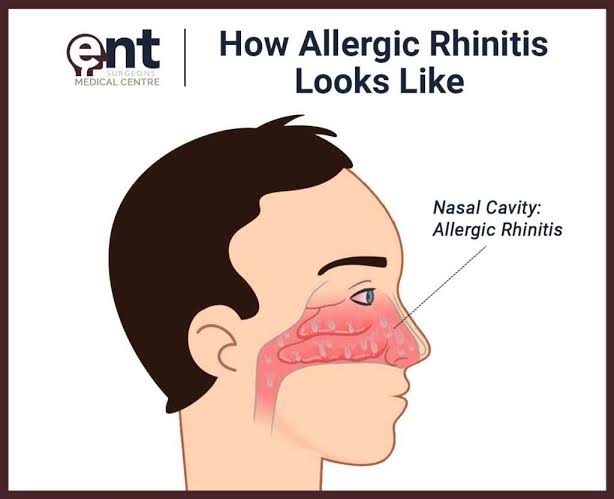
Allergic rhinitis is a condition where the immune system reacts to allergens in the environment, causing inflammation inside the nose.
When a person with allergic rhinitis encounters a trigger, the body releases chemicals that cause nasal symptoms.
Common symptoms include:
- Sneezing
- Runny nose
- Blocked nose
- Itchy nose
- Watery eyes
- Postnasal drip
- Reduced sense of smell
Symptoms may occur occasionally or persist throughout the year depending on the person’s triggers.
In Singapore, allergic rhinitis is commonly associated with exposure to indoor allergens such as dust mites and mould, which can thrive in warm and humid conditions.
Myth 1: “Allergies Are Just a Common Cold”
One of the most common misconceptions is assuming that recurring sneezing and nasal congestion are simply repeated colds.
While allergies and colds may share similar symptoms, they are caused by different processes.
Common Cold
A cold is caused by a viral infection and may involve:
- Sore throat
- Fever
- Body aches
- Symptoms that improve over time
Allergic Rhinitis
Allergic rhinitis is caused by an immune response to allergens and may involve:
- Repeated sneezing
- Itchy nose or eyes
- Clear nasal discharge
- Symptoms triggered by specific environments
- Symptoms that persist or repeatedly return
If symptoms occur frequently without fever or infection signs, allergies may be a possible cause.
Myth 2: “Allergies Only Happen During Certain Seasons”
Some people associate allergies only with seasonal changes. However, Singapore’s tropical climate means many allergens can be present throughout the year.
Unlike countries with distinct seasons, Singapore does not have a long period where certain allergens disappear.
Common triggers may include:
- Dust mites
- Mould
- Indoor allergens
- Pet dander
- Environmental irritants
As a result, some people experience symptoms all year rather than only during specific months.
Myth 3: “Singapore’s Climate Does Not Affect Allergies”
Singapore’s warm and humid environment can influence certain allergens.
Humidity may encourage the growth of:
- Dust mites
- Mould
- Fungi
These allergens may trigger symptoms in sensitive individuals.
Indoor environments can also contribute because many people spend significant time in:
- Air-conditioned offices
- Homes
- Schools
- Indoor facilities
Managing indoor air quality and reducing allergen exposure may help some patients control symptoms.
Myth 4: “If I Have Allergies, I Just Need to Avoid Going Outside”
Some people believe allergies only come from outdoor environments. However, many common allergens are found indoors.
Indoor triggers may include:
- Dust mites in mattresses and pillows
- Mould in damp areas
- Pet allergens
- Dust accumulation
Reducing indoor allergen exposure may involve:
- Washing bedding regularly
- Keeping living areas clean
- Managing humidity
- Cleaning air-conditioning systems
- Improving ventilation
The best approach depends on the individual’s specific triggers.
Myth 5: “Allergic Rhinitis Is Not Serious Because It Does Not Cause Pain”
Because allergic rhinitis is often not associated with severe pain, some people underestimate its impact.
However, persistent allergies can affect:
Sleep Quality
A blocked nose may lead to:
- Mouth breathing
- Poor sleep
- Night-time discomfort
- Morning tiredness
Concentration and Productivity
Poor sleep and ongoing symptoms may affect:
- Work performance
- Studying
- Focus
Daily Comfort
Symptoms such as constant sneezing, congestion and nasal irritation can affect quality of life.
Although allergic rhinitis is usually not dangerous, managing symptoms can significantly improve daily wellbeing.
Myth 6: “Allergy Medication Should Only Be Taken When Symptoms Are Severe”
Some people only use allergy medication when symptoms become difficult to tolerate.
However, allergic rhinitis treatment often works better when symptoms are managed consistently according to medical advice.
Depending on the condition, treatment may include:
- Antihistamines
- Nasal sprays
- Saline nasal rinses
- Allergy management strategies
The right approach depends on:
- Symptom severity
- Frequency of symptoms
- Triggers
- Individual medical history
Patients should discuss medication use with a healthcare professional rather than self-managing indefinitely.
Myth 7: “Nasal Sprays Are Addictive”
Some people avoid nasal sprays because they believe all nasal sprays are addictive.
This is not always true.
Different types of nasal sprays work differently.
For example:
- Some nasal sprays reduce inflammation caused by allergies.
- Certain decongestant sprays may cause problems if used excessively.
Patients should follow instructions provided by their doctor or pharmacist and avoid prolonged use of certain products without advice.
Myth 8: “Allergies Will Always Go Away on Their Own”
Some people expect allergies to disappear without treatment.
While symptoms may improve for some individuals, others may experience persistent or recurring allergies.
Factors that influence symptoms include:
- Allergen exposure
- Environment
- Immune response
- Age
- Lifestyle factors
Patients with ongoing symptoms may benefit from proper assessment to identify triggers and treatment options.
Myth 9: “Allergic Rhinitis and Sinusitis Are the Same Thing”
Although allergies and sinus problems can have overlapping symptoms, they are different conditions.
Allergic Rhinitis
Usually involves:
- Sneezing
- Itchy nose
- Runny nose
- Nasal inflammation
Chronic Sinusitis
May involve:
- Persistent nasal blockage
- Facial pressure
- Thick nasal discharge
- Reduced smell
- Long-term sinus inflammation
Allergies may contribute to sinus problems, but they are not the same condition.
An ENT specialist can help determine the cause of persistent nasal symptoms.
Myth 10: “Surgery Is Always Needed for Chronic Nasal Problems”
Many people worry that seeing an ENT specialist automatically means they will need surgery.
In reality, many allergic rhinitis patients improve with:
- Medication
- Allergy management
- Environmental changes
- Lifestyle adjustments
Surgery may only be considered for selected patients with issues such as:
- Significant structural blockage
- Deviated nasal septum
- Nasal polyps
- Chronic sinus problems that do not respond to medical treatment
Treatment decisions depend on the individual condition.
Common Allergy Triggers in Singapore
Understanding triggers is an important part of managing allergic rhinitis.
Dust Mites
Dust mites are common indoor allergens found in:
- Mattresses
- Pillows
- Bedding
- Carpets
- Upholstered furniture
Mould
Mould growth may occur in damp environments such as:
- Bathrooms
- Poorly ventilated areas
- Air-conditioning units
Pet Allergens
Some people may react to allergens from:
- Pet fur
- Skin flakes
- Saliva particles
Environmental Irritants
These may include:
- Smoke
- Pollution
- Strong smells
- Dust
When Should You See an ENT Specialist?
Consider seeing an ENT specialist if you experience:
- Persistent nasal blockage
- Symptoms lasting for months
- Frequent allergy flare-ups
- Reduced sense of smell
- Recurrent sinus infections
- Difficulty sleeping due to congestion
- Symptoms that do not improve with medication
- Uncertainty about your diagnosis
If you’re looking for an experienced specialist in Singapore, you may want to consider ENT Centre CC Lau which is headed by Dr Lau Chee Chong. He can help patients assess whether their symptoms are caused by allergic rhinitis, sinus problems, structural issues or another condition.
How Is Allergic Rhinitis Diagnosed?
Diagnosis may involve:
Medical History Review
The doctor may ask about:
- Symptom patterns
- Possible triggers
- Duration of symptoms
- Previous treatments
- Family history of allergies
Nasal Examination
The doctor may assess the nasal passages for:
- Inflammation
- Swelling
- Structural problems
Allergy Testing
Some patients may undergo allergy testing to identify specific triggers.
This may help guide treatment and avoidance strategies.
Treatment Options for Allergic Rhinitis
Treatment depends on the severity of symptoms.
Options may include:
Trigger Avoidance
Reducing exposure to allergens may help control symptoms.
Medication
Depending on symptoms, doctors may recommend:
- Antihistamines
- Nasal sprays
- Other allergy medications
Saline Nasal Rinses
These may help remove mucus and allergens from the nasal passages.
Immunotherapy
For selected patients, allergen immunotherapy may be considered to gradually reduce sensitivity to specific allergens.
Allergic rhinitis is common in Singapore, but many misconceptions exist about its causes, severity and treatment. Allergies are not simply repeated colds, and persistent symptoms should not always be ignored.
Understanding personal triggers, managing allergens and seeking appropriate treatment can help reduce symptoms and improve quality of life.
If you experience ongoing nasal congestion, frequent sneezing, reduced smell or symptoms affecting your daily activities, an ENT specialist can help identify the cause and recommend suitable management options.
This article is for general information only and should not replace medical advice from a qualified healthcare professional.
