

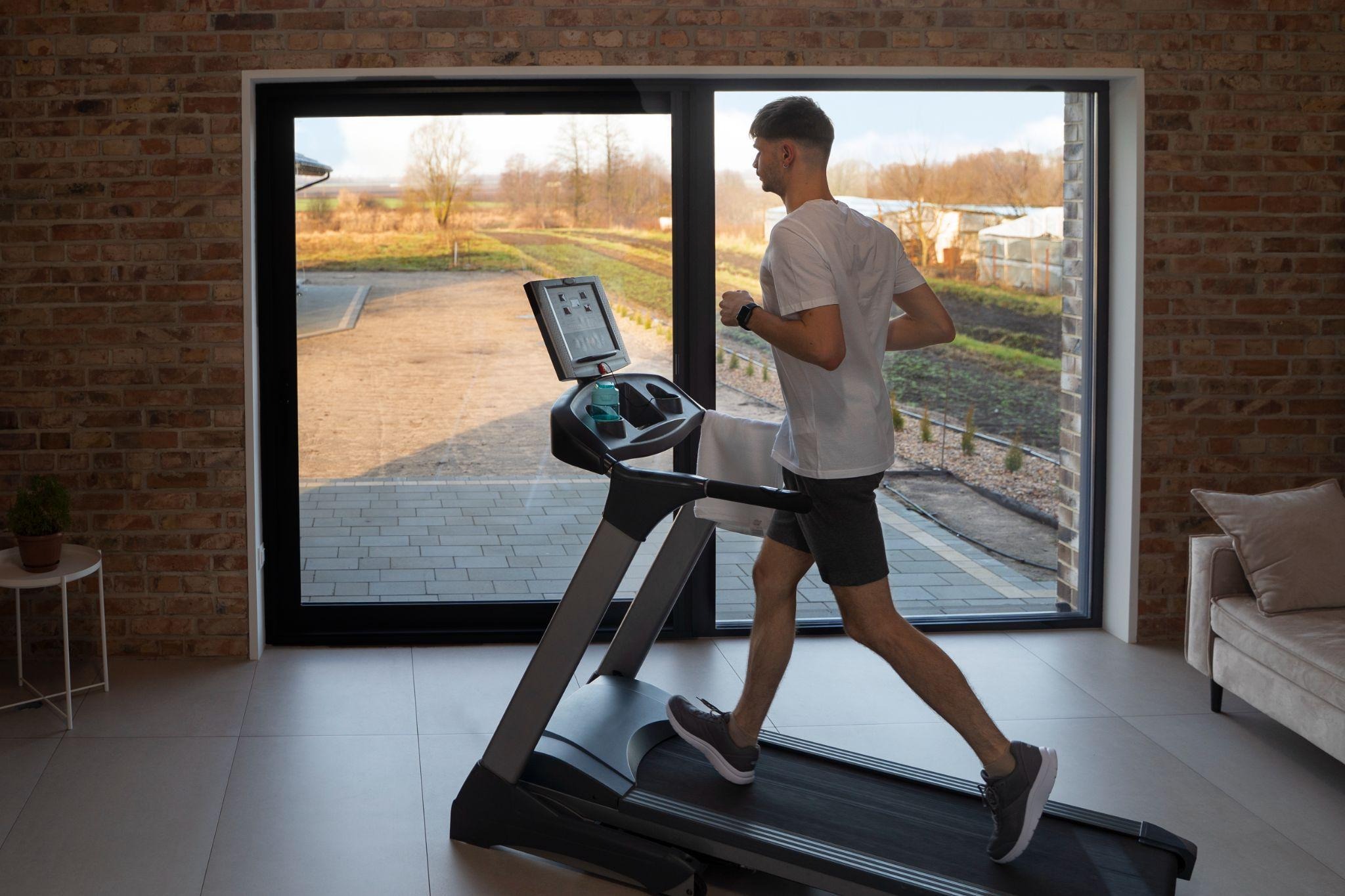
A home gym can completely change the way people approach exercise, but simply filling a room with impressive equipment does not guarantee better results. The difference often comes down to how the space is planned, how workouts are performed, and whether the equipment actually supports the user’s goals. Even a luxury home gym can become underused when basic planning mistakes are overlooked. Knowing these common problems can help create a training environment that is practical, comfortable, and easier to use consistently. A thoughtful approach can also make each workout more focused and enjoyable over time.
1. Choosing Equipment Before Defining Goals
Walking into a fitness showroom and choosing equipment based on appearance is an easy mistake. A large machine may look impressive but offer little value if it does not match the user’s training needs.
Someone focused on strength training will have different requirements from someone interested in mobility, endurance, or general fitness. Before buying equipment, identify the main goals and the types of exercises required to achieve them. This makes every purchase more purposeful and reduces the chance of ending up with equipment that rarely gets used.
2. Treating More Equipment As Better
A crowded workout space can actually make exercise less convenient. Multiple machines, benches, weights, and accessories may provide variety, but they also require storage, maintenance, and enough room to move safely.
Effective home training does not depend on owning every piece of gym equipment available. A carefully selected setup can support a wide range of movements while leaving enough open space for warm-ups, stretching, and functional exercises. The focus should be on versatility rather than quantity.
3. Ignoring Available Floor Space
Measurements matter long before equipment enters the room. A machine that fits on paper may make the workout area uncomfortable once a person starts moving around it.
Consider the equipment’s footprint as well as the space needed for exercises, walking, opening doors, and accessing storage. Ceiling height can also matter when performing overhead movements. Planning these details beforehand creates a safer environment and prevents expensive rearrangement later. A thoughtfully planned best home gym workout space should also leave enough room to move freely between exercises.
4. Skipping A Proper Training Plan
Having convenient access to equipment does not automatically create an effective routine. Without some structure, workouts can become random, repetitive, or heavily focused on favourite exercises.
A useful training plan should include different movement patterns and allow appropriate recovery between sessions. Strength workouts, mobility work, cardiovascular activity, and rest can be arranged according to individual needs. Progress should also be tracked so that training does not remain at the same level indefinitely.
5. Using Resistance Without Progression
Many people begin with a comfortable resistance and continue using it for months. While familiar settings can feel manageable, the body needs an appropriate training challenge to continue adapting.
Progression does not always mean dramatically increasing weight. It can involve additional repetitions, better control, increased resistance, improved range of motion, or more demanding exercise variations. The key is making gradual changes while maintaining safe technique.
6. Overlooking Technique And Movement Quality
Convenient home workouts can sometimes encourage people to rush through exercises. Without proper attention to posture, movement control, and range of motion, an exercise may become less effective and potentially place unnecessary stress on the body.
Learning the correct technique for each movement should come before chasing heavier resistance or higher repetitions. Mirrors, instructional programs, recorded demonstrations, or guided digital workouts can help users observe and improve their form. Quality movement should remain a priority throughout a session.
7. Forgetting Warm-Ups And Recovery
A workout does not begin with the first heavy repetition. Preparing the body beforehand can help users move more comfortably and mentally transition into training.
A warm-up can include light cardiovascular movement, mobility exercises, and easier versions of the movements planned for the session. Recovery deserves similar attention. Rest days, adequate sleep, hydration, and sensible training volume all contribute to maintaining a consistent routine.
8. Making Workouts Too Complicated
Some home fitness routines become difficult to follow because they contain too many exercises, complicated schedules, or constant changes. Complexity can create unnecessary friction, particularly for people who are trying to establish a regular habit.
The best home gym workout is not necessarily the longest or most complicated session. It should be realistic for the person’s schedule and designed around movements that serve a clear purpose. A straightforward routine that is performed consistently can be more useful than an ambitious plan that is repeatedly abandoned.
9. Neglecting The Technology And Support
Smart fitness equipment can provide useful features such as guided workouts, performance tracking, digital resistance, movement libraries, and personalised training information. However, these features only create value when users understand how to incorporate them into their routines.
Before selecting connected equipment, look beyond the screen and examine the entire experience. Consider training guidance, software features, setup support, maintenance, compatibility, and the long-term usefulness of the system. Technology should simplify training rather than become another complicated task.
Conclusion
Avoiding common home gym mistakes can make a significant difference to both the training experience and the value gained from fitness equipment. The right setup does not have to be crowded or complicated; it needs to support clear goals, safe movement, steady progression, and regular use. A well-planned space can make it easier to begin workouts without spending unnecessary time preparing the room.
Choosing versatile equipment can also provide more exercise options without taking over the available space. Training technology can add guidance and tracking features that help users stay aware of their progress. A consistent routine becomes easier when the workout environment feels comfortable, accessible, and suited to everyday needs. With thoughtful planning, a luxury home gym can combine convenience, performance, and a polished home environment without sacrificing practicality. For those exploring connected equipment that combines strength training with digital guidance, IMBODY offers a modern option for creating a more structured fitness experience at home.
