

A belt sander is built for jobs where ordinary sanders can feel too slow. Its continuous abrasive belt removes material quickly, making it useful for rough boards, painted surfaces, edges, and certain metal parts. But choosing the right machine takes more than looking at motor power or belt size. The material, type of work, abrasive, speed, and machine design all affect the result.
For woodworking, a belt sander can flatten surfaces and remove old finishes with relatively little effort. Metalworkers need to think about heat, sparks, abrasive type, and machine construction. This guide explains the main features to consider so you can choose a machine that matches the work instead of simply choosing the most powerful option.
What Makes a Belt Sander Useful?
A belt sander uses a continuous loop of abrasive material that runs around two rollers. As the belt moves, it cuts away material from the workpiece. When comparing Best Belt Sanders, this design gives them a much higher material removal rate than many finishing sanders.
That cutting action is both its main benefit and its main limitation. A belt sander can remove too much material if it stays in one place for too long. It works best when you keep the tool moving at a steady pace and allow the abrasive to do the cutting.
Choosing the Right Belt Sander Type

Handheld models are useful when you need to move the machine across large boards, panels, doors, or other surfaces. They are easy to position and can handle many general woodworking tasks. Some models also include adjustable handles that make it easier to control the tool during longer jobs.
Stationary and benchtop machines work differently. Instead of moving the entire sander across the material, you bring the workpiece to the abrasive belt. This setup can provide better control for small parts, edge shaping, and repeatable work. For workshops that handle both shaping and finishing, a belt and disc combination can also be useful.
How Belt Size Affects Performance
Belt dimensions affect how much material the machine can contact during each pass. Wider belts can cover more surface area, while narrower belts can be easier to control for smaller workpieces. Common handheld sizes are designed around general sanding tasks, while a metalworking belt sander may use larger or more durable belts for heavier workshop applications.
The belt size should match your typical projects rather than simply being as large as possible. A large machine may be unnecessary for small components, while a compact sander can become frustrating when you regularly work on wide boards. Also check how easy it is to find replacement belts in the size you need.
Motor Power and Belt Speed Matter
Motor power gives you an idea of how well a machine can maintain performance when material removal becomes demanding. However, a higher power rating alone doesn’t make a machine suitable for every task. The transmission, belt speed, cooling, and overall construction also influence how the sander behaves under load.
Speed is especially important when comparing machines for different materials. Wood and metal can require different sanding approaches, so variable speed can be helpful when available. Lower settings can provide more control for certain jobs, while faster settings may help with rapid stock removal when the abrasive and material allow it.
Picking the Right Abrasive Belt
The sanding belt is just as important as the machine. Coarse grits are useful when removing a lot of material, such as rough wood or an old coating. Medium grits can refine the surface after the initial cutting stage, while fine grits are better suited to final preparation.
Abrasive material also matters. Aluminum oxide is widely used for general woodworking because it provides a practical balance between cutting ability and belt life. Zirconia and ceramic abrasives are often selected for demanding metal work because they are designed for harder cutting tasks. The correct choice depends on the material and finish you want.
Using a Belt Sander on Wood
For rough lumber, start with a suitable coarse belt and keep the machine moving with the grain during normal finishing work. Let the sander remove material without pressing down heavily. Excess pressure can slow the belt, load the abrasive, and create uneven areas.
When working on a large panel, make controlled passes and check the surface often. A pencil line across the workpiece can help you see where material is being removed. Once the surface is flat and the major marks are gone, switch to a finer abrasive or another finishing sander for a smoother result.
When a Metalworking Belt Sander Makes Sense
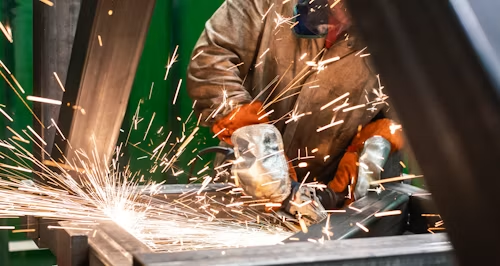
Metal work places different demands on a sanding machine. A metalworking belt sander is commonly used for tasks such as deburring edges, cleaning weld areas, shaping components, and preparing surfaces. The abrasive must be selected for the type of metal, and the machine needs to be suitable for the heat and sparks produced during the process.
Don’t assume that a woodworking setup should be used for regular metal grinding. Metal particles can contaminate belts and machine surfaces, while sparks can create additional hazards around accumulated wood dust. Dedicated belts and suitable equipment are a better choice when metal work is a regular part of your workshop.
Don’t Ignore Belt Tracking
Belt tracking determines whether the abrasive stays centered on the rollers. Poor tracking can cause the belt to move toward one side, rub against the machine, or wear unevenly. It can also make the tool harder to control.
A good tracking adjustment can save time during regular use. Before sanding an important workpiece, run the machine briefly and check that the belt remains correctly positioned. If it moves, stop the machine and make the adjustment rather than trying to correct the problem while sanding.
Dust Collection and Workshop Cleanliness
Wood sanding produces fine dust that can quickly spread around a workshop. A built in dust bag can collect some of this material, while a suitable shop vacuum may provide more effective collection depending on the machine and setup. Keeping the work area clean also makes it easier to see the surface you are sanding.
Metal work requires a different approach because sparks and hot particles can be produced. Never treat a metal sanding area like a normal wood sanding station. Keep combustible dust, loose materials, and unsuitable collection equipment away from spark producing work.
How to Get Better Results
Start by securing the workpiece before turning on the machine. Hold the sander firmly but don’t force it into the material. Move it smoothly and avoid stopping over one spot.
Check your progress frequently instead of trying to complete the entire job in one aggressive pass. If the surface still has deep marks, use another controlled pass or adjust the abrasive. This approach gives you more control and reduces the chance of creating grooves that require extra sanding later.
Features Worth Considering Before Buying
Automatic or easy belt alignment can make setup simpler, especially for frequent use. Variable speed is useful when you work with different materials or need more control over the cutting action. A comfortable handle layout also matters because poor ergonomics can make a powerful machine difficult to use accurately.
For stationary machines, pay attention to the work table, adjustment range, belt position, and available working area. If you plan to shape small parts, a machine with good access around the belt can be more useful than one designed mainly for large surfaces. Think about your actual projects rather than buying based only on specifications.
Safety Tips for Wood and Metal Sanding
Wear appropriate eye protection whenever a belt sander is operating. For dusty woodworking, suitable respiratory protection can help reduce exposure to airborne particles. Hearing protection can also be useful during extended machine operation.
Keep loose clothing and other objects away from moving belts and rollers. Never adjust the belt while the machine is running, and disconnect power before maintenance or belt replacement. When sanding metal, pay particular attention to sparks, heat, ventilation, and the materials surrounding the work area.
Keeping the Machine in Good Condition
Inspect the belt regularly for glazing, tearing, clogging, or uneven wear. A worn belt can make the machine work harder while producing poorer results. Replace it when the abrasive no longer cuts effectively rather than continuing to force the machine through the job.
Keep rollers and other accessible areas clean according to the manufacturer’s instructions. Check tracking and fasteners periodically, especially if the machine is used often. Simple maintenance can help keep sanding performance consistent and make problems easier to spot early.
How to Choose the Best Option for Your Workshop
Start with the material you work with most often. If your projects are mainly furniture, boards, doors, and other wood surfaces, prioritize comfortable handling, suitable belt dimensions, tracking, dust control, and useful speed settings. If you regularly shape or deburr metal, focus more closely on abrasive compatibility, machine construction, speed, work support, and spark management.
Also consider whether you need a handheld or stationary setup. Handheld machines are practical for large surfaces and mobile work, while stationary models can provide better control for smaller components. The best choice is the one that fits your normal workload and gives you enough control for the type of finish you need.
Closing Statement
The best belt sanders are not defined by one specification. A useful machine combines appropriate power, belt size, speed, tracking, handling, and abrasive compatibility for the work you actually perform. Woodworkers should focus on controlled material removal and dust management, while metalworkers need to give extra attention to abrasive selection, heat, and sparks.
Before buying, consider your materials, project sizes, sanding stages, and workshop setup. Choosing the right belt and using steady passes can make as much difference as the machine itself. With the right combination, a belt sander can handle demanding preparation work while leaving finer sanding for tools designed for finishing.
FAQs
What is a belt sander mainly used for?
A belt sander is mainly used for fast material removal, surface leveling, edge shaping, and stripping finishes from suitable materials.
Can a belt sander be used for metal?
Yes, but the machine and abrasive should be suitable for metal work. Dedicated equipment and belts are preferable for regular metal sanding.
What grit should I use with a belt sander?
Use coarse grit for heavy material removal, medium grit for surface refinement, and finer grit when preparing a surface for finishing.
Is a handheld or stationary belt sander better?
A handheld model suits large surfaces and mobile work, while a stationary machine can offer better control for smaller parts and repeatable shaping.
How can I prevent belt sander marks?
Keep the machine moving at a steady pace, avoid excessive pressure, use the appropriate grit, and check the surface often during sanding.
