

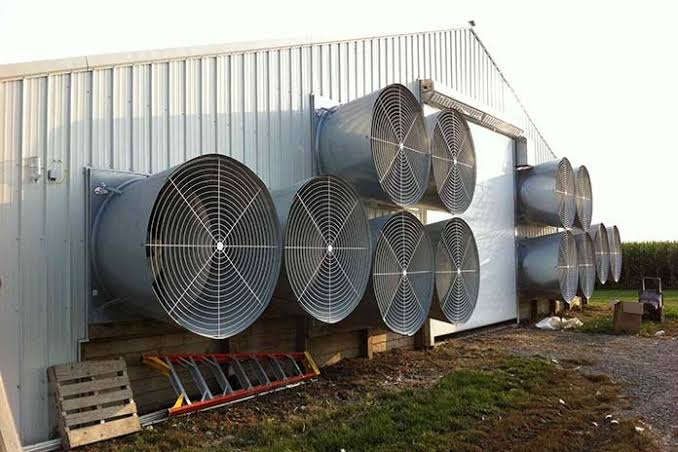
A healthy poultry farm depends on more than good feed, clean water, and proper housing. Fresh air also plays an important role in keeping birds comfortable, active, and productive. When air circulation is poor, heat, moisture, dust, and harmful gases can build up inside the poultry house, creating an uncomfortable environment for chickens.
Ventilation for poultry farms helps maintain fresh air, control temperature, remove excess moisture, and support better bird health. Whether a farm raises broilers or layers, a well-designed ventilation system can make daily management easier while reducing environmental stress.
Understanding how poultry ventilation works allows farmers to create a cleaner and more comfortable space where birds can grow under suitable conditions.
What Is Ventilation for Poultry Farms?
Poultry ventilation is the process of bringing fresh outdoor air into a poultry house while removing warm, humid, and contaminated air. It helps maintain suitable conditions for birds throughout different seasons.
A poultry house produces heat, moisture, dust, and gases through bird activity, breathing, droppings, and daily farm operations. Without proper air exchange, these elements can collect inside the building.
A suitable ventilation system manages these conditions through natural airflow, mechanical fans, air inlets, and other equipment. Its main purpose is to provide a steady supply of fresh air without creating harmful drafts or sudden temperature changes.
Why Is Proper Poultry Farm Ventilation Important?
Air quality directly affects the comfort and performance of poultry. Poor ventilation can create several problems that influence bird health and farm productivity.
1. Controls Temperature and Heat Stress
Chickens are sensitive to high temperatures, especially when they grow larger and produce more body heat. During hot weather, poor airflow can make a poultry house uncomfortable.
Ventilation removes excess heat and supports cooling by moving air across the birds. This is particularly important in broiler houses where bird density and body heat increase as the flock grows.
2. Removes Moisture and Excess Humidity
Birds release moisture through breathing and droppings. Water spillage from drinkers can also increase humidity inside the building.
High moisture levels can make litter wet, encourage harmful microorganisms, and create an uncomfortable environment.
Proper ventilation helps remove humid air and supports dry bedding, which is important for maintaining better poultry house conditions.
3. Reduces Harmful Gases
Ammonia is one of the main concerns in poultry houses. It develops when microorganisms break down nitrogen-containing material in poultry manure and litter.
Poor air exchange allows ammonia to accumulate, which can irritate the eyes and respiratory system of birds.
A well-managed ventilation system removes contaminated air and brings in fresh oxygen, supporting a healthier indoor environment.
4. Supports Better Bird Growth
Comfortable environmental conditions allow chickens to use more energy for normal growth and daily activity rather than dealing with heat or poor air quality.
When temperature, humidity, and air movement remain within suitable ranges, birds can maintain better comfort and feeding behavior.
Main Types of Poultry Ventilation Systems
Different poultry farms use different ventilation methods depending on building design, climate, flock size, and management needs.
Natural Ventilation
Natural ventilation uses outdoor wind and temperature differences to move air through the poultry house.
Windows, side openings, curtains, and adjustable vents allow fresh air to enter and warm air to escape.
This system may work well in suitable climates and open-sided poultry houses. However, airflow can change with weather conditions, making temperature control less predictable.
Mechanical Ventilation
Mechanical ventilation uses fans to control air movement inside the poultry building.
Exhaust fans remove stale air, while properly designed inlets allow fresh air to enter.
This method provides better control over air exchange and is commonly used in modern commercial poultry farms.
Tunnel Ventilation
Tunnel ventilation is designed to move air lengthwise through the poultry house.
Large exhaust fans pull fresh air through openings at one end, creating a steady airflow across the building.
This system is especially useful during hot weather because moving air helps birds lose body heat.
Minimum Ventilation
Minimum ventilation provides the required fresh air during colder weather without removing too much indoor heat.
It helps control moisture, dust, and harmful gases while maintaining suitable temperatures for the flock.
Correct timing and fan operation are important because insufficient ventilation can quickly reduce indoor air quality.
Essential Equipment for Poultry House Ventilation
A complete poultry ventilation system may include several important components.
- Exhaust fans: Remove warm and contaminated air from the building.
- Air inlets: Control how fresh air enters the poultry house.
- Cooling pads: Help reduce incoming air temperature through evaporative cooling.
- Ventilation controllers: Adjust fan operation according to temperature and environmental conditions.
- Temperature sensors: Monitor indoor heat levels and support automatic system control.
- Air circulation fans: Improve air movement in areas where airflow may be weak.
Each component contributes to better environmental management when properly installed and maintained.
How to Improve Ventilation for Poultry Farms
Good ventilation requires more than installing powerful fans. Farmers should also manage airflow, equipment, and daily operating conditions.
Step 1: Understand the Farm Requirements
Consider the poultry house size, bird age, stocking density, local climate, and building design before selecting a ventilation system.
Young chicks require different environmental conditions from fully grown broilers.
Step 2: Maintain Fans and Air Inlets
Clean fan blades, check belts, inspect shutters, and remove dust from air inlets.
Dirty or poorly maintained equipment can reduce airflow and increase energy consumption.
Step 3: Monitor Temperature and Humidity
Use reliable sensors to observe indoor conditions. Adjust ventilation according to bird age, weather, and actual environmental needs.
Step 4: Keep Poultry Litter Dry
Check drinkers for leakage and remove wet litter when necessary. Ventilation works more effectively when moisture sources are also controlled.
Step 5: Check Air Distribution
Fresh air should reach the required areas without creating uncomfortable drafts around the birds.
Regular observation helps identify areas with poor circulation, excessive heat, or moisture buildup.
Common Poultry Ventilation Mistakes to Avoid
Small management errors can affect the performance of the entire ventilation system.
- Running too few fans during periods of high heat.
- Blocking air inlets with equipment or dust.
- Ignoring ammonia buildup and wet litter.
- Using incorrect fan settings for the age of birds.
- Failing to clean ventilation equipment.
- Creating strong drafts around young chicks.
- Depending only on temperature without considering humidity and air quality.
Avoiding these issues helps maintain a more stable poultry house environment.
How to Choose the Right Ventilation System
Selecting the right system depends on the farm’s operational needs rather than equipment price alone.
Farmers should consider building dimensions, expected bird numbers, seasonal temperature changes, electricity availability, and maintenance requirements.
A properly designed system should provide sufficient air exchange, suitable air distribution, reliable temperature control, and manageable operating costs.
Working with an experienced poultry ventilation supplier or farm engineer can help ensure that fans, inlets, cooling equipment, and controllers work together effectively.
Final Thoughts
Ventilation for poultry farms is an essential part of modern poultry management. It helps control heat, remove moisture, reduce harmful gases, and maintain fresh air throughout the poultry house.
A properly managed ventilation system supports bird comfort, healthier housing conditions, and more reliable farm operations. However, equipment alone is not enough. Regular maintenance, dry litter, correct stocking density, and continuous environmental monitoring are equally important.
By investing in suitable ventilation and following a consistent management routine, poultry farmers can create a better environment for their birds while improving the overall efficiency of their farms.
