

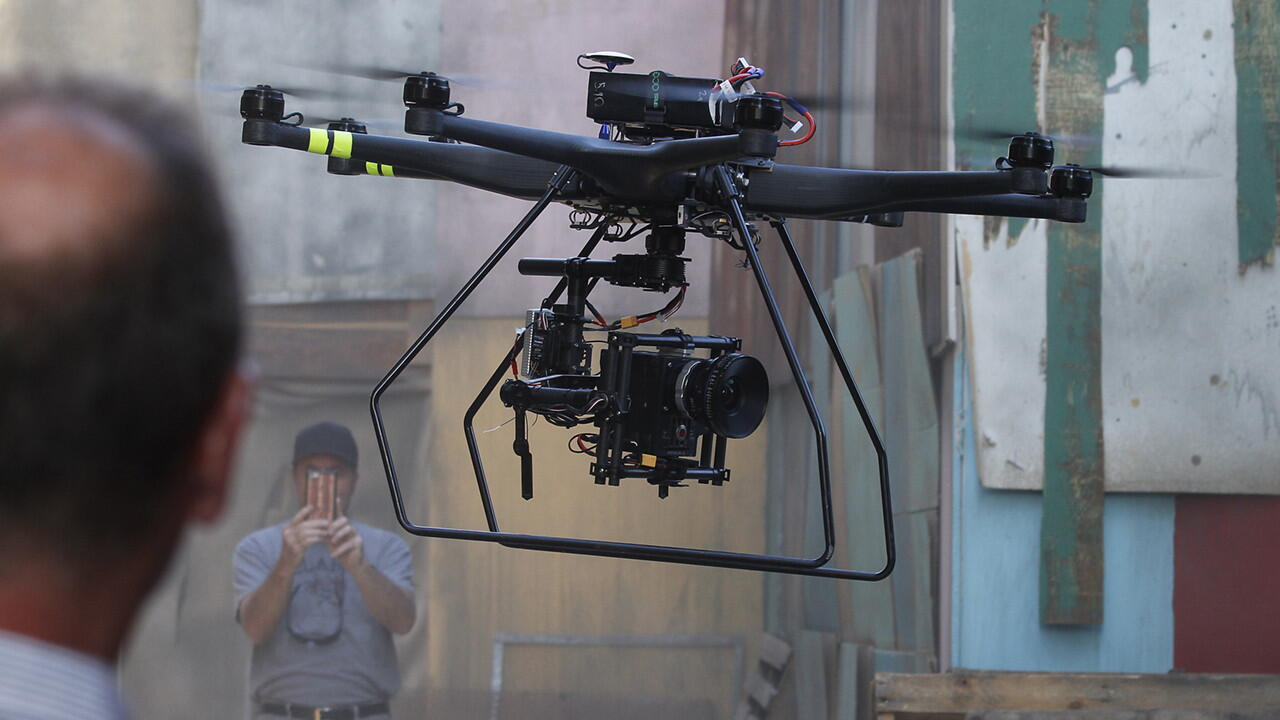
Aerial cinematography has changed the way filmmakers tell stories. Sweeping landscapes, dramatic overhead shots, and fluid movements through complex environments can add scale and emotion to a scene in ways that traditional camera setups may struggle to achieve. What once required helicopters, cranes, or expensive specialist rigs can now be accomplished in many situations with advanced drone technology.
However, professional aerial filmmaking involves much more than flying a camera above the ground. The best results depend on careful planning, controlled movement, an understanding of visual storytelling, and equipment capable of capturing high-quality footage. Filmmakers must also consider lighting, camera settings, flight conditions, and the practical demands of working on a production set.
A professionally operated cinema drone can help production teams capture sophisticated aerial sequences while maintaining the visual consistency required for films, television, commercials, and branded content.
What Makes a Cinema Drone Different?
Not all drones are designed for the same purpose. Consumer models are often built around portability, convenience, and automated features, making them useful for travel footage, social media content, and general aerial photography.
Cinema drones, by contrast, are selected and configured for demanding production requirements. Depending on the system, they may support professional cinema cameras, specialised lenses, advanced stabilisation equipment, and accessories needed to achieve a particular visual style.
The ability to carry a heavier camera package can be especially important when a production requires a specific sensor format, lens choice, or recording workflow. Rather than adapting the creative vision to the limitations of a small integrated camera, filmmakers may have more flexibility to match aerial footage with images captured by the main camera team.
These systems also require skilled operators who understand how to manage weight, balance, flight characteristics, and camera movement. The objective is not simply to capture a technically impressive shot, but to create footage that fits naturally into the wider production.
Why Aerial Cinematography Matters for Storytelling
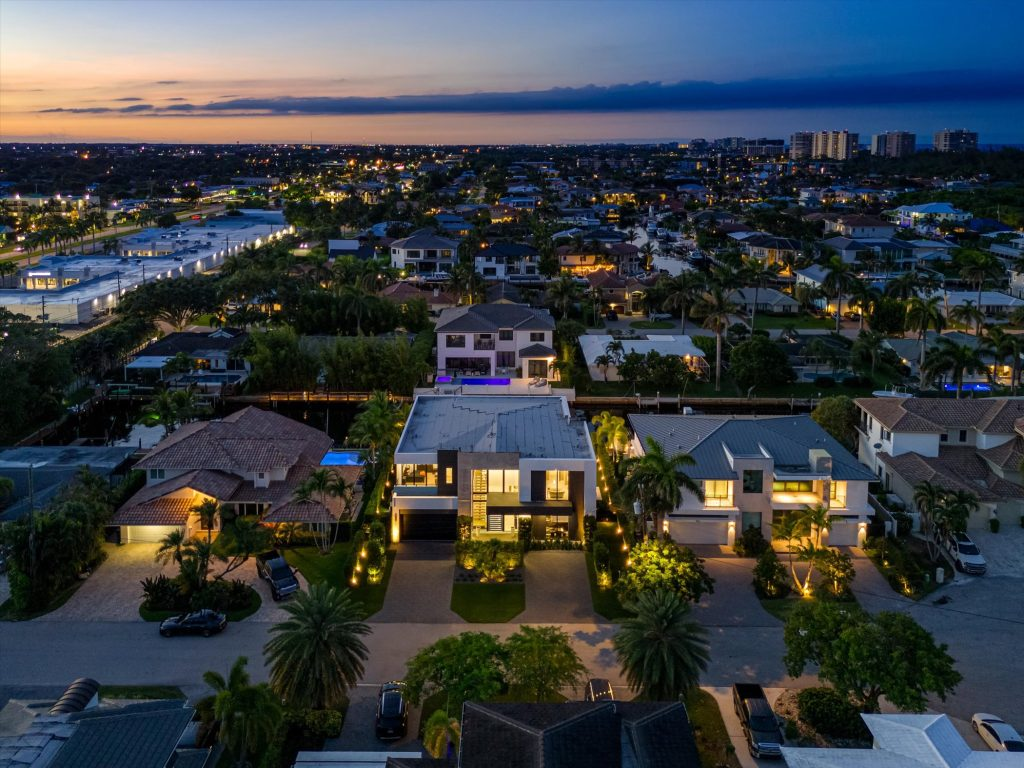
Aerial shots can communicate information quickly while establishing the mood and scale of a scene. Their effectiveness comes from how they are used within the story, rather than from height or movement alone.
Establishing Location and Scale
Aerial footage can introduce a setting before the action begins. A gradual approach towards a coastal town, a wide view of a mountain range, or a carefully framed shot of a city skyline can help audiences understand the environment in which a story takes place.
These shots are particularly useful for feature films, documentaries, travel productions, and television dramas that rely on a strong sense of place.
The most effective establishing shots are usually planned around the narrative. A slow reveal may build anticipation, while a wider composition can communicate isolation or scale. Camera movement should support the scene’s purpose rather than distract from it.
Creating Dynamic Movement
A drone can move through three-dimensional space, allowing filmmakers to create transitions that would be difficult to achieve with conventional camera equipment.
For example, a shot might begin above a building, descend towards street level, and follow a character through an open area. Another sequence might track a moving vehicle before rising to reveal the surrounding landscape.
Such movements can create a sense of continuity between different visual perspectives. However, smooth execution depends on careful coordination between the pilot, camera operator, and director, particularly when the shot involves moving subjects or narrow flight paths.
Adding Emotional Impact
Aerial imagery can also influence how viewers interpret a scene. A distant overhead view may make a character appear isolated, while a slow movement towards a location can build anticipation.
In action sequences, aerial footage may help communicate movement and geography. In quieter scenes, it can create breathing space and allow the audience to absorb the environment.
These creative decisions demonstrate why aerial cinematography is most effective when it is treated as part of the filmmaking process rather than as an additional visual effect.
The Importance of Camera Quality and Stabilisation
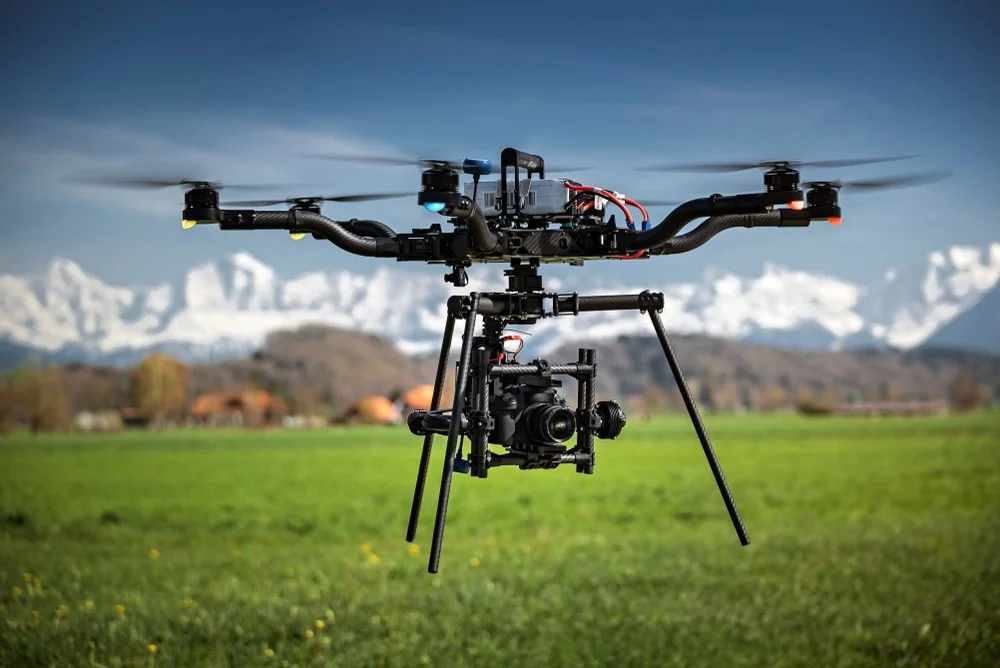
Capturing professional-looking footage requires more than a stable flight. The camera system must also deliver suitable image quality, exposure control, colour reproduction, and recording options for the intended production.
Matching the Main Camera
Aerial footage often needs to blend with images captured by cameras on the ground. Differences in colour science, dynamic range, lens characteristics, and frame rates can make otherwise strong footage difficult to integrate during editing.
Using a suitable camera package can help cinematographers maintain a consistent visual style across different shooting methods. Camera settings should be planned with the colour grading workflow in mind, particularly when the production uses a specific picture profile or post-production pipeline.
Lens selection matters too. Wider lenses can emphasise movement and surrounding space, while longer focal lengths may compress perspective and isolate subjects. The right choice depends on the desired composition and the distance that must be maintained during flight.
Managing Vibration and Movement
Even small vibrations can affect footage, especially when a shot involves fine architectural details or slow, deliberate camera movement.
Professional systems may use dedicated gimbals and carefully balanced camera mounts to help control unwanted motion. Operators must also manage acceleration, deceleration, turns, and changes in altitude to prevent abrupt movements from appearing in the final image.
Smooth footage often comes from restraint. A gradual movement with a clear beginning and end can be more effective than a complicated sequence that introduces unnecessary motion.
Planning a Successful Cinema Drone Shoot
Aerial sequences benefit from detailed preparation. Unlike some conventional camera setups, drone filming depends on weather, available airspace, flight duration, battery management, and the physical environment.
Define the Shot Before Filming
The production team should establish what each aerial shot needs to communicate. Storyboards, shot lists, reference images, and location plans can help everyone understand the intended composition.
Planning should include the starting position, direction of travel, approximate height, camera movement, subject movement, and ending frame. This creates a shared reference for the director, cinematographer, pilot, and other crew members.
It can also reduce wasted time on location by identifying potential obstacles and deciding which shots are most important.
Assess the Location and Conditions
Buildings, trees, power lines, crowds, and changing weather can all influence the feasibility of a flight. Wind may affect stability and battery consumption, while poor lighting or rapidly changing conditions can complicate camera exposure.
A location assessment helps the team identify hazards, determine suitable launch and landing areas, and decide whether the planned shot can be completed safely.
Productions should also establish contingency plans. If the weather changes or a location becomes unsuitable, the team needs a clear process for delaying, modifying, or cancelling the flight.
Coordinate the Crew
Aerial filming often involves several people working together. The pilot is responsible for safe aircraft operation, while the camera operator focuses on framing and movement when the system allows separate control.
The director and cinematographer provide creative direction, and production staff help manage timing, access, and coordination with other departments.
Clear communication is particularly important when filming moving vehicles, performers, or scenes involving multiple camera teams. Everyone should understand the intended movement, safety boundaries, and conditions under which the shot must stop.
Heavy-Lift Drones and Complex Camera Setups
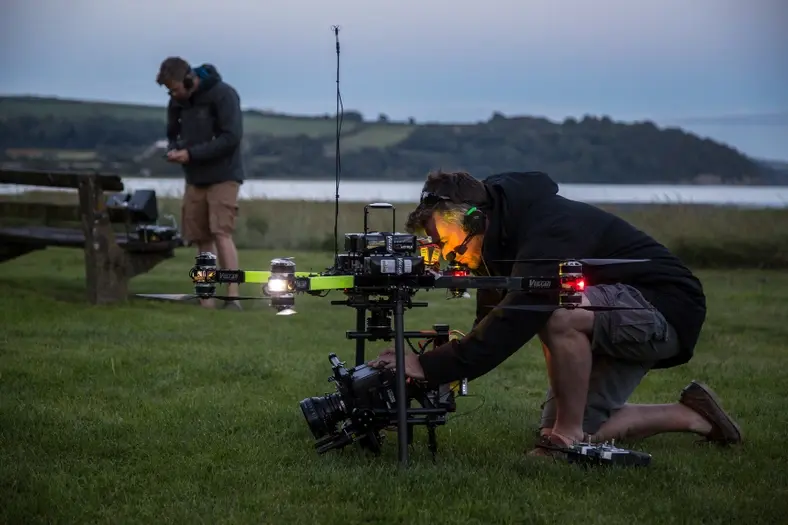
Some productions require larger camera systems that exceed the payload capacity of typical consumer drones. Heavy-lift platforms can accommodate more demanding camera packages, subject to the aircraft’s specifications and the requirements of the individual setup.
This can open up additional creative options, including the use of cinema cameras and lenses selected to match the rest of the production.
However, carrying a heavier payload introduces additional considerations. The aircraft must be suitable for the combined weight, and the complete system needs to be configured, balanced, and tested before filming. Increased payload can also affect flight time, handling, and operating limitations.
A larger drone is not automatically the best solution for every shot. Smaller platforms may be more practical when the location is confined, the camera requirements are modest, or the production needs to move quickly between setups.
The most appropriate system is the one that meets the creative requirements while remaining suitable for the location, payload, and operating conditions.
Safety and Regulatory Considerations in the UK
Professional drone filming requires attention to aviation rules and operational safety. In the UK, requirements can depend on the aircraft, its weight, the nature of the operation, the location, and the people or property involved.
Production teams should establish the applicable permissions and operational requirements before filming. Depending on the circumstances, this may involve checking Civil Aviation Authority rules, airspace restrictions, operator requirements, and any necessary authorisations.
Filming near people, roads, buildings, or controlled airspace can introduce additional considerations. A location that looks visually suitable may not be appropriate for a drone operation without further assessment and planning.
Risk assessments, clear exclusion zones where required, suitable insurance, and coordination with location managers can help support a safe production environment.
Regulatory requirements can change, so operators should confirm the current rules that apply to the specific flight rather than relying on assumptions based on previous projects.
Choosing the Right Team for Aerial Filming
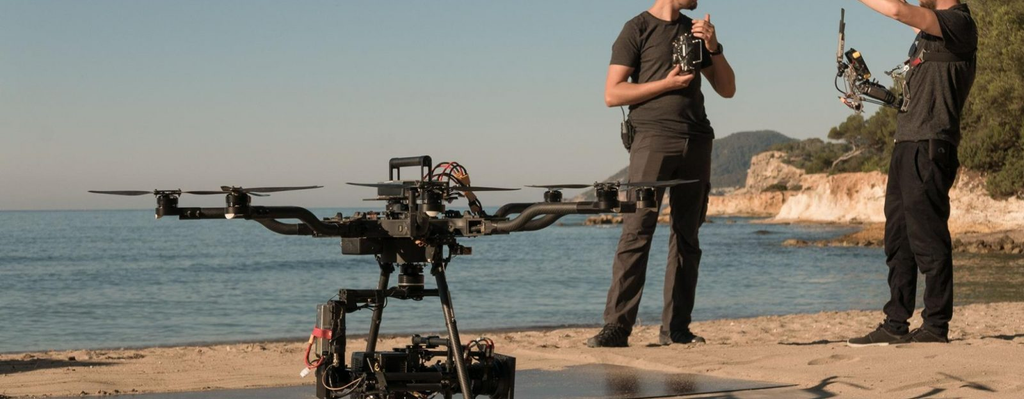
Equipment is only one part of a successful aerial production. The experience of the crew can have a substantial influence on how efficiently a shoot runs and how well the footage meets the creative brief.
When evaluating an aerial filming team, production companies should consider its experience with comparable projects, the camera systems available, the ability to work with the main cinematography department, and its approach to safety planning.
It is also worth discussing the intended shots in advance. A capable team should be able to explain what is achievable, identify potential constraints, and suggest practical alternatives where a proposed movement is unsuitable.
A clear brief should cover the desired visual style, camera requirements, location, schedule, deliverables, and any technical specifications needed for post-production.
Early collaboration allows the aerial team to contribute creatively while helping the wider production avoid unnecessary delays.
The Future of Drone Cinematography
Drone technology continues to develop, offering filmmakers new possibilities for camera control, stabilisation, flight planning, and image capture. Improvements in battery systems, sensors, and control software may expand the range of shots that can be completed efficiently.
Automation can also assist with repeatable movements, allowing crews to recreate a camera path under suitable conditions. This can be useful when a scene requires multiple takes or when visual continuity must be maintained across different production stages.
Nevertheless, technology cannot replace creative judgement. A technically perfect shot may add little value if it does not support the story, while a simple movement can become memorable when its timing and composition are carefully considered.
The future of aerial filmmaking will likely depend on the relationship between capable equipment and skilled creative teams. The strongest results will come from using technology thoughtfully to serve the production’s visual objectives.
Conclusion
Cinema drones have expanded the possibilities of modern filmmaking by making sophisticated aerial movement more accessible across feature films, television, commercials, and other productions. From establishing sweeping landscapes to capturing carefully choreographed action, aerial cinematography can add scale, atmosphere, and visual continuity when used with a clear creative purpose.
Achieving professional results requires more than advanced equipment. Camera quality, stabilisation, location planning, crew coordination, and regulatory compliance all play important roles in a successful shoot.
By selecting the right platform and experienced operators for each project, filmmakers can create aerial sequences that complement the wider production and strengthen the story being told.
