


The day of a funeral can bring a mixture of emotions. Grief, nervousness, reflection and even relief may all be present as family and friends gather to remember someone important to them. Although much of the practical planning will have taken place beforehand, knowing what to expect can make the day feel a little more manageable.
Every funeral is different, but some simple preparation can help you focus less on practical concerns and more on remembering the person whose life is being honoured.
Give Yourself Plenty of Time
Funeral mornings can feel very different from an ordinary day, so it is sensible to avoid rushing. Give yourself enough time to get ready, have something to eat and gather anything you need to take with you.
If you are travelling to a funeral home, church, crematorium or cemetery, check the route beforehand. Allow extra time for traffic, parking and finding the correct entrance, particularly if you are unfamiliar with the venue.
Close family members may be travelling together or following the hearse as part of a funeral procession. In these circumstances, the funeral director will normally explain where and when everyone needs to meet.
Decide What to Wear
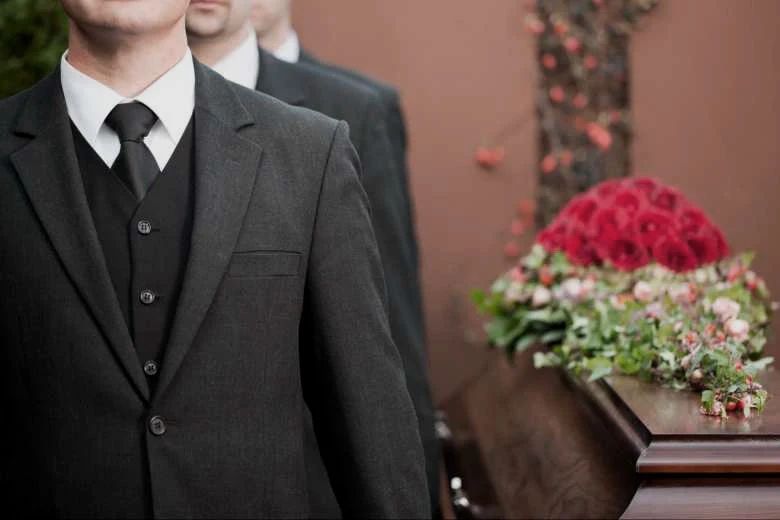
Black remains closely associated with funerals in Britain, but it is no longer the only appropriate choice. Unless the family has specified a particular dress code, smart and understated clothing is generally suitable.
Some families specifically request colourful clothing or ask guests to wear a certain colour because it was meaningful to the person who died. Others may encourage people to wear football shirts, club ties or another item connected to the person’s interests.
Where instructions have been provided, following them can be a simple way of respecting the family’s wishes.
Know Your Role in the Service
Some people attend a funeral simply as guests, while others have a particular responsibility. You might be giving a reading, delivering a eulogy, carrying the coffin or helping elderly relatives during the service.
If you have a role, make sure you understand what is expected before the funeral begins. Keep a printed copy of any reading or speech with you rather than relying entirely on a mobile phone.
For close family members who are unsure what to do on the day of a funeral, discussing the arrangements with the funeral director beforehand can provide reassurance and help everyone understand the order of events.
Arriving at the Funeral
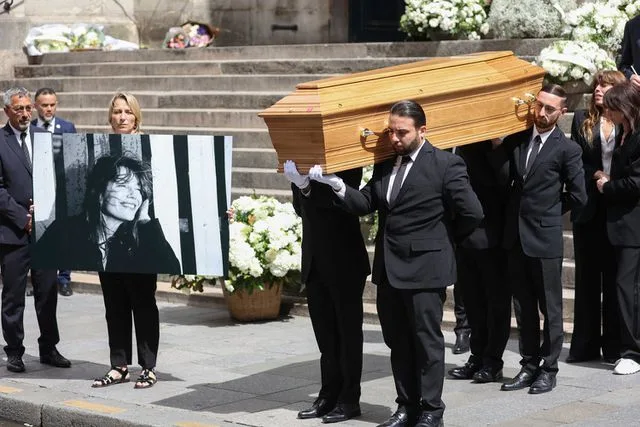
It is usually best to arrive a little early. This provides time to find a seat and greet other mourners without feeling hurried.
Seating arrangements vary according to the venue and type of service. Immediate family members commonly sit towards the front, while other relatives, friends and colleagues sit behind them. An usher, celebrant or member of the funeral director’s team may guide guests to appropriate seats.
Remember that there is no requirement to speak to everyone. A quiet greeting, handshake or hug can be enough, particularly when emotions are understandably high.
During the Service
Funeral services can include music, readings, prayers, hymns, poems, a eulogy and periods of quiet reflection. Religious funerals may follow a more established structure, while civil or non-religious ceremonies can be highly personalised.
Guests are generally guided through the service, so there is no need to worry about knowing exactly when to stand, sit or participate. Simply follow the instructions given by the person conducting the ceremony.
Emotional reactions are also entirely normal. Some people cry openly, while others remain composed throughout the service. There is no correct way to respond to grief, and people should not feel pressured to behave in a particular way.
Following the Funeral Procession
Depending on the arrangements, the service may be followed by a burial or a committal at a crematorium. When different locations are involved, guests may need to travel between venues.
If you are part of the formal procession, follow the instructions provided by the funeral director. Other guests can usually make their own way to the next location.
For an outdoor burial, it is worth checking the weather and wearing appropriate footwear. Cemeteries and churchyards can have uneven or muddy ground, particularly during wet weather.
Attending the Wake or Reception
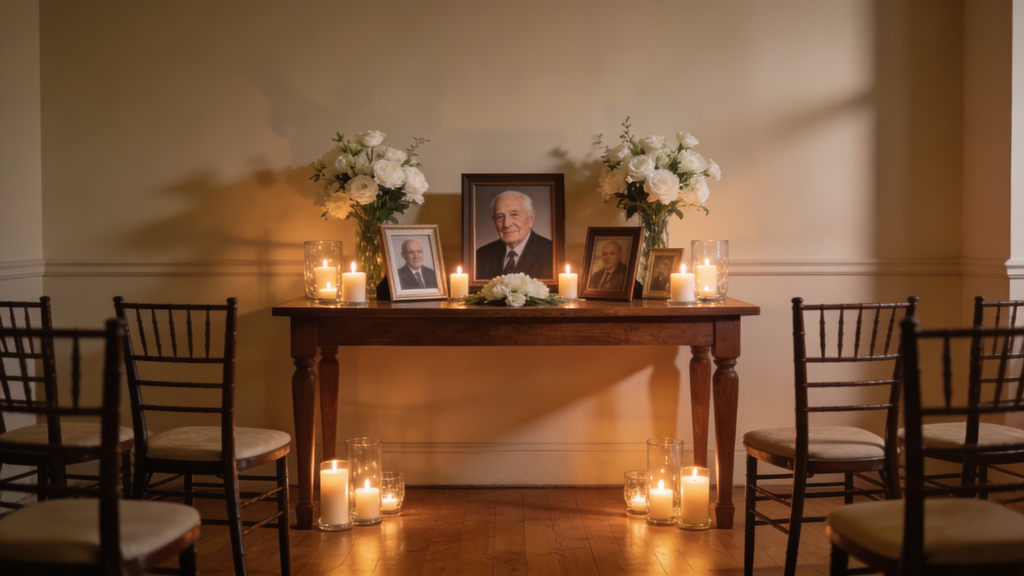
Many funerals are followed by a wake or reception. This gathering tends to be less formal than the funeral service and gives people an opportunity to share memories, offer condolences and spend time together.
Food and refreshments may be provided at a family home, pub, hotel, community venue or another suitable location.
Although wakes can be emotional, they can also contain moments of warmth and laughter. Sharing favourite stories is often an important part of remembering someone as they were in everyday life.
Taking the Day at Your Own Pace
A funeral can be physically and emotionally tiring, particularly for those closest to the person who has died. Avoid placing unnecessary expectations on yourself afterwards.
Some people appreciate being surrounded by family and friends, while others prefer quiet time once the formal events have finished. Both responses are understandable.
Ultimately, the purpose of the day is to remember, honour and say goodbye. With the practical arrangements taken care of, you can concentrate on being present, supporting those around you and reflecting on the life of the person being remembered.
