

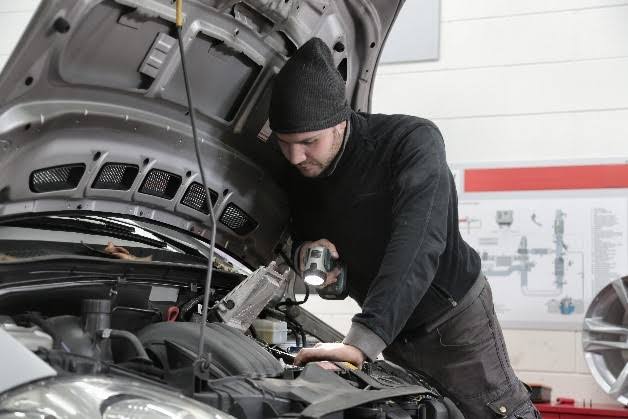
Regular vehicle maintenance is essential for safe driving. Worn tires, faulty brakes, damaged lights, and neglected mechanical problems can affect a vehicle’s handling and increase the risk of dangerous situations on the road. Although maintenance cannot prevent every collision, keeping a vehicle in good condition helps drivers maintain control and respond more effectively to unexpected hazards.
Vehicle safety begins before a journey starts. Drivers who understand basic maintenance requirements can spot potential problems early, reduce the risk of breakdowns, and make informed repair decisions. A consistent maintenance routine also helps protect passengers and other road users.
Why Vehicle Maintenance Matters for Road Safety
A vehicle relies on several interconnected systems to operate safely. Tires provide traction, brakes help control speed, steering allows drivers to change direction, and lights help motorists see and be seen. When one of these systems fails, the driver may have less time or ability to respond to changing road conditions.
According to the National Highway Traffic Safety Administration (NHTSA), proper tyre maintenance matters because underinflated or damaged tyres can lead to tyre failure and loss of vehicle control.
Routine servicing also gives qualified technicians an opportunity to identify worn components, fluid leaks, and mechanical defects before they develop into more serious problems.
1. Tire Maintenance Improves Traction and Stability
Tires are the only parts of a vehicle that make direct contact with the road. Their condition affects braking, steering, cornering, and stability, especially on wet or uneven surfaces.
Underinflated tires can overheat and become more vulnerable to failure. Worn tread can reduce grip, particularly in rain, while cuts, cracks, and bulges may indicate damage that needs professional attention.
Drivers should check tire pressure at least once a month and before long trips. For accurate readings, check tires when they are cold and follow the pressure recommended by the vehicle manufacturer, usually listed on the driver’s door label or in the owner’s manual.
Inspect tread depth and sidewalls regularly. Replace damaged or excessively worn tires, and ask a qualified technician about rotation, balancing, and alignment when recommended.
2. Proper Brake Care Helps Prevent Collisions
Brakes allow drivers to reduce speed and stop when traffic changes unexpectedly. Worn brake pads, damaged components, or low brake fluid can compromise braking performance and make emergency stops more difficult.
Drivers should pay attention to warning signs such as squealing or grinding noises, unusual vibrations, a soft brake pedal, or a vehicle pulling to one side during braking.
These symptoms should not be ignored. Arrange an inspection with a qualified mechanic, and avoid driving if the brakes appear unsafe. Regular servicing helps identify wear before a minor issue develops into a serious safety concern.
3. Functional Lights Improve Visibility
Headlights, brake lights, turn signals, and hazard lights help drivers communicate with others and navigate changing conditions. A failed headlight can reduce visibility at night, while a faulty brake light may prevent following drivers from recognizing that a vehicle is slowing down.
Check all exterior lights periodically. Ask someone to help verify that the brake lights work, or use a safe reflective surface where appropriate. Clean dirty lenses and replace defective bulbs or damaged assemblies promptly.
Properly aligned headlights are also important because poorly aimed lights can reduce the driver’s view or create glare for oncoming traffic.
4. Steering and Suspension Affect Vehicle Control
The steering and suspension systems help maintain control, stability, and tire contact with the road. Worn components may make a vehicle harder to handle, particularly when cornering or avoiding an unexpected obstacle.
Warning signs can include excessive bouncing, uneven tire wear, unusual noises over bumps, steering-wheel vibration, or difficulty keeping the vehicle traveling straight.
These symptoms may have several causes, so a professional inspection is the safest way to identify the underlying problem. Addressing mechanical faults promptly can help prevent further damage and maintain predictable handling.
5. Engine, Battery, and Fluid Checks Reduce Breakdowns
Not every mechanical breakdown causes a collision, but a vehicle that stalls in fast-moving traffic can create a dangerous situation. Engine problems, battery failure, overheating, and fluid leaks may leave drivers stranded or unable to operate their vehicles normally.
Follow the manufacturer’s service schedule for oil changes, coolant checks, battery inspections, and other routine maintenance. Never open a hot radiator cap, and do not ignore dashboard warning lights that indicate a serious fault.
If a warning suggests the vehicle is unsafe to drive, pull over when it is safe to do so and seek professional assistance.
6. Check for Vehicle Safety Recalls
Some safety problems originate from manufacturing defects rather than normal wear. A vehicle may require a recall repair even if it appears to be functioning normally.
Drivers should periodically check whether their vehicle has an outstanding safety recall. In the United States, NHTSA provides a vehicle recall lookup tool that allows owners to search using a vehicle identification number (VIN) or other available details.
If a recall applies, follow the manufacturer’s instructions and arrange the recommended repair. Do not assume that routine servicing automatically resolves a recall-related defect.
How Drivers Can Build a Practical Maintenance Routine
A simple maintenance schedule makes it easier to identify problems before they affect safety.
- Before driving: Look for visible tire damage, fluid leaks, and objects obstructing your view.
- Monthly: Check tire pressure, tread condition, lights, and windshield wipers.
- Before long trips: Inspect tires, test essential lights, check fluid levels according to the owner’s manual, and confirm that emergency equipment is available.
- At scheduled service intervals: Have brakes, steering, suspension, and other important systems inspected as recommended by the manufacturer.
- Whenever warning signs appear: Arrange a professional inspection rather than postponing repairs.
Maintenance records can help owners track completed services, upcoming inspections, and recurring problems. This is especially useful for older vehicles or cars with multiple previous owners.
Staying Informed About Road Safety
Mechanical problems are only one factor in road accidents. Weather, driver behavior, road design, traffic conditions, and other road users also influence collision risks. Understanding reported incidents can help motorists recognize the importance of safe driving and vehicle preparedness.
For readers who want to follow reported road incidents, Accident News offers a relevant resource for accident-related updates. Combining awareness of road incidents with regular vehicle inspections and responsible driving habits can support better-informed safety decisions.
Conclusion
Vehicle maintenance plays an important role in reducing avoidable road risks. Healthy tires, reliable brakes, working lights, sound steering, and properly maintained mechanical systems help drivers retain control and respond to hazards.
Following the manufacturer’s service schedule, checking for warning signs, and addressing repairs promptly are practical steps every vehicle owner can take. Although good maintenance cannot eliminate every accident risk, it helps keep vehicles roadworthy and contributes to safer journeys for drivers, passengers, and everyone sharing the road.
