

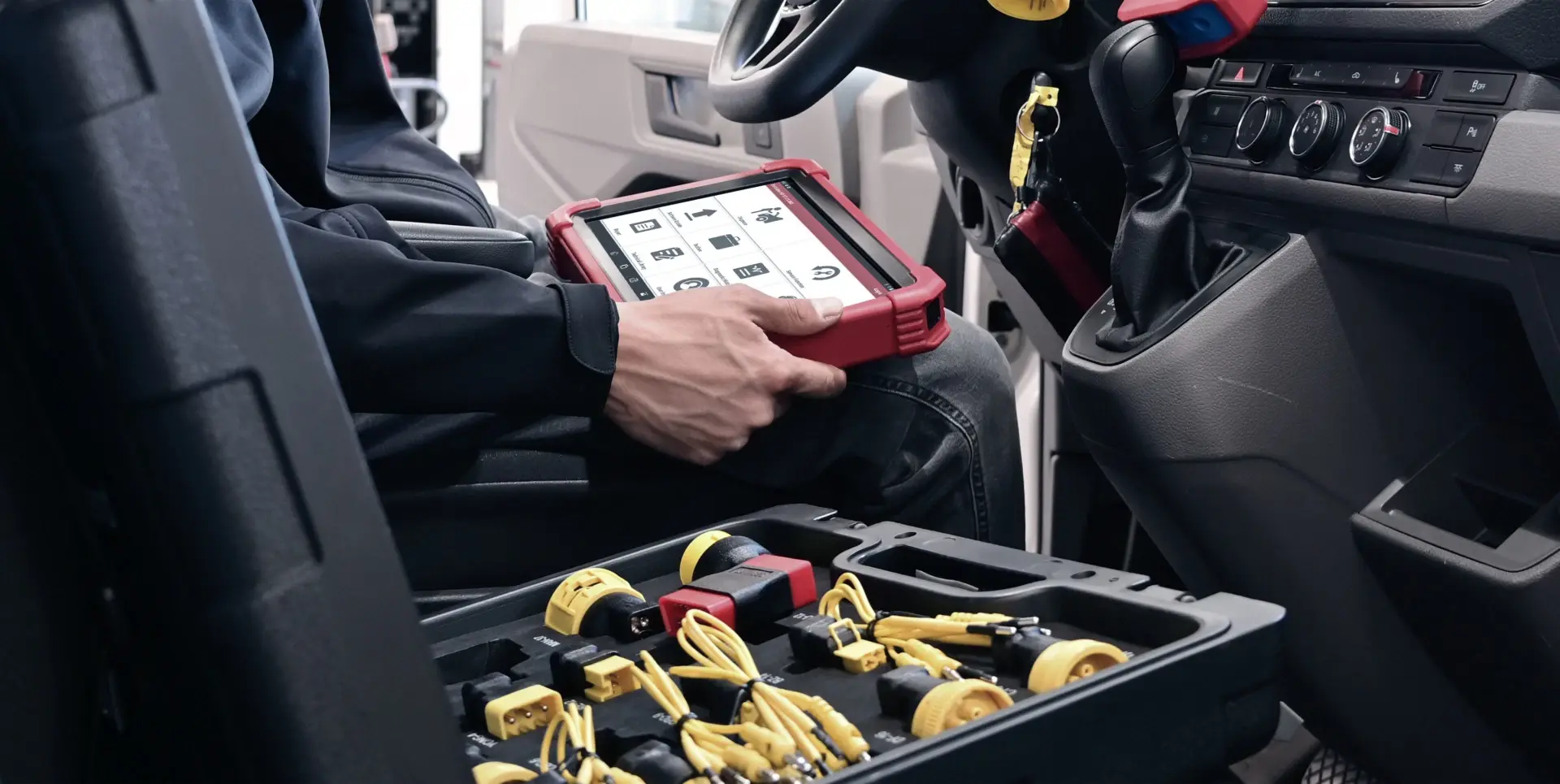
Vehicle technology has changed dramatically over the past decade. Modern cars now rely on sophisticated electronic control systems for everything from engine management and transmission operation to safety features, driver assistance and comfort systems.
For independent garages and professional technicians, this means diagnosing a vehicle often requires more than traditional mechanical knowledge. The right diagnostic equipment can help technicians identify faults efficiently, access electronic systems, and make informed decisions before repair work begins.
A modern launch x431 diagnostic solution is designed around this changing automotive environment, offering workshops a flexible approach to vehicle diagnostics and electronic troubleshooting.
Why Vehicle Diagnostics Have Become More Complex
Older vehicles were generally easier to diagnose because fewer electronic systems were involved. Modern vehicles are different.
A single vehicle may contain numerous control modules communicating with each other. A fault affecting one component can sometimes create warning messages or symptoms elsewhere in the vehicle.
This makes accurate diagnostic information increasingly important.
Technicians may need to investigate:
- Engine management systems
- Transmission control
- ABS and braking systems
- Airbag systems
- Steering systems
- Body control modules
- Electronic parking brakes
- Driver assistance systems
Without appropriate diagnostic equipment, identifying the actual source of a problem can take considerably longer.
What Makes Modern Diagnostic Equipment Useful?
A professional diagnostic scanner should do more than simply display fault codes.
Modern systems can provide access to a wider range of vehicle information, allowing technicians to investigate problems more systematically.
Useful functions can include:
Fault Code Reading
Reading diagnostic trouble codes provides a starting point when investigating a warning light or unusual vehicle behaviour.
However, a fault code should not automatically be treated as proof that a particular component has failed. It is usually one piece of information within a larger diagnostic process.
Live Data
Live data allows technicians to observe vehicle parameters while systems are operating.
This can be useful when a fault only appears under particular operating conditions.
System Diagnostics
Access to different electronic modules can help technicians investigate problems across multiple vehicle systems rather than focusing exclusively on the engine.
Modular Technology for Changing Workshop Needs
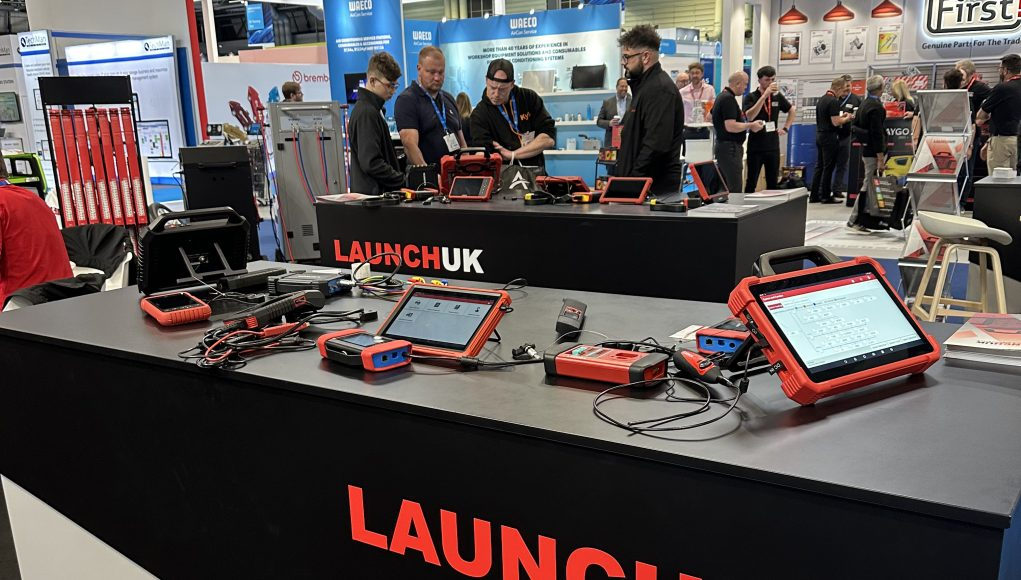
One challenge for modern workshops is that vehicle technology continues to develop.
A diagnostic platform that works well today may need additional capabilities in the future as manufacturers introduce new systems and software.
Modular diagnostic technology can help address this issue by allowing workshops to adapt their tools according to changing requirements.
Instead of replacing an entire diagnostic setup whenever a new requirement appears, technicians may be able to expand software capabilities or add suitable functions.
Vehicle Coverage Is an Important Consideration
Before purchasing diagnostic equipment, workshops should carefully consider vehicle coverage.
Different tools support different combinations of:
- Vehicle manufacturers
- Model years
- Control modules
- Diagnostic protocols
- Special functions
- Service procedures
A garage that works mainly with European vehicles may have different requirements from a workshop specialising in Japanese, Korean, American, or mixed vehicle fleets.
Checking compatibility before purchasing can prevent disappointment later.
Diagnostic Efficiency Can Improve Workshop Productivity
Time is an important factor in automotive repair.
When technicians spend too long trying to identify a fault, the vehicle occupies workshop space while labour costs continue to accumulate.
Reliable diagnostic equipment can help shorten the investigation process by providing technicians with useful information earlier.
That doesn’t mean every problem can be diagnosed instantly. Complex faults still require experience, testing and professional judgement. The purpose of diagnostic equipment is to give technicians better information to support those decisions.
Beyond Reading Fault Codes
Modern vehicle diagnostic platforms increasingly support functions beyond basic code reading.
Depending on the specific equipment and vehicle, technicians may have access to service and maintenance functions such as:
- Electronic parking brake service
- Oil service resets
- Battery registration
- Steering angle calibration
- Injector-related functions
- DPF-related procedures
- Throttle adaptation
- System resets
The availability of individual functions depends on the vehicle, software and diagnostic platform, so technicians should always confirm compatibility before carrying out a procedure.
Software Flexibility Matters
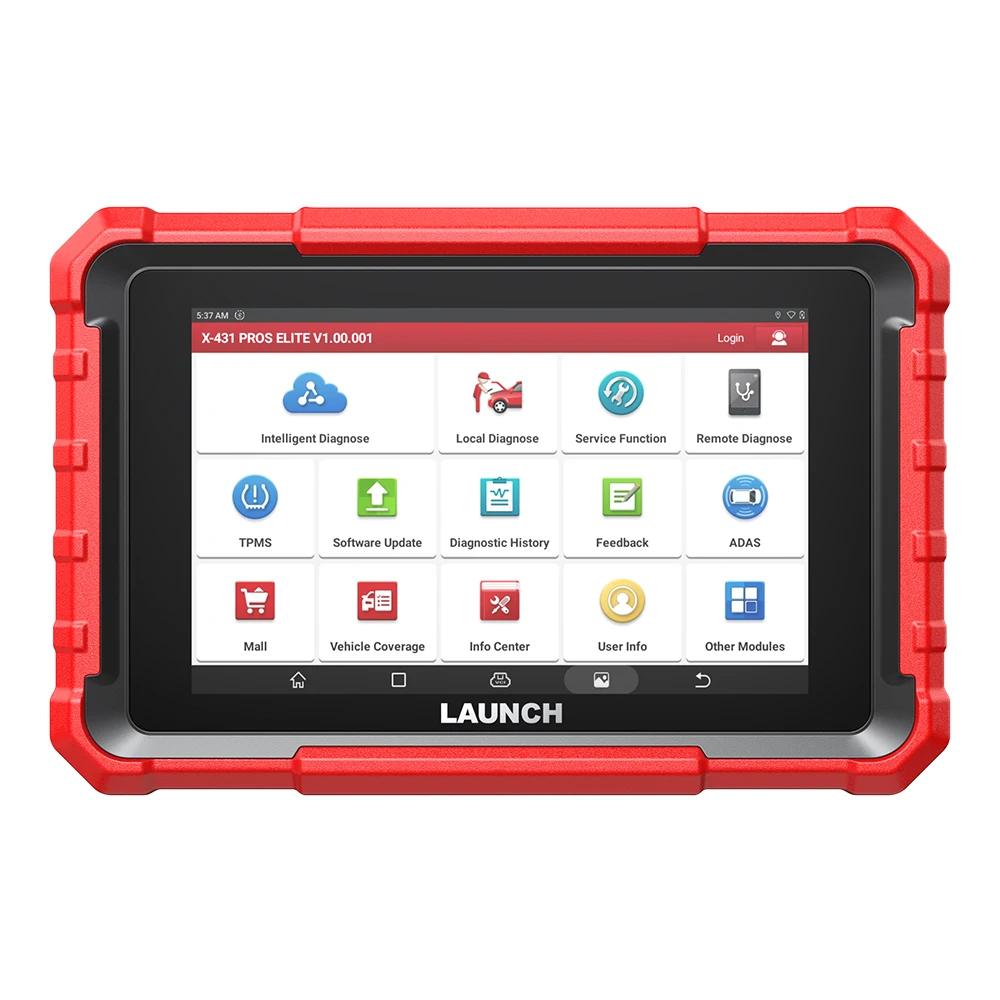
Software is becoming just as important as the physical diagnostic hardware.
Vehicle manufacturers regularly introduce new models and electronic systems. Diagnostic software therefore needs regular development to remain useful across an evolving vehicle market.
A flexible platform can give workshops greater confidence that their diagnostic equipment will continue to have practical value as vehicle technology changes.
Supporting Independent Automotive Workshops
Independent garages compete with dealerships that often have access to manufacturer-specific diagnostic systems.
A capable multi-brand diagnostic platform can give independent workshops broader diagnostic coverage without requiring a separate tool for every manufacturer.
This can be particularly useful for garages that service a mixed customer base.
For workshops considering advanced diagnostic equipment, the launch x431 range represents one example of a modular approach designed to support modern vehicle diagnostics, software flexibility and changing workshop requirements.
Choosing the Right Diagnostic Tool
There is no single diagnostic scanner that is ideal for every workshop.
Before making a purchasing decision, consider:
Vehicle Mix
Review the manufacturers and models your workshop handles most frequently.
Required Functions
Determine whether you need basic diagnostics or more advanced service and calibration capabilities.
Software Updates
Understand how software updates work and what coverage they provide.
Ease of Use
A powerful tool is only useful if technicians can navigate it efficiently during real workshop situations.
Future Requirements
Think about where your workshop is heading. Buying equipment that can adapt to future requirements may provide better long-term value.
The Future of Automotive Diagnostics
Vehicle diagnostics will continue to evolve alongside automotive technology.
Electric vehicles, hybrid systems, advanced driver assistance technologies and increasingly connected vehicles are changing the information technicians need to access.
Future diagnostic equipment will likely place greater emphasis on software flexibility, broader system coverage and support for new vehicle architectures.
For workshops, staying informed about these developments can be just as important as investing in new hardware.
Conclusion
Modern vehicles require modern diagnostic thinking. As electronic systems become more sophisticated, workshops need equipment that can help technicians identify faults efficiently while adapting to changing vehicle technology.
The right diagnostic platform can support better fault investigation, improve workshop productivity and provide access to a broader range of vehicle systems and service functions.
For any workshop evaluating diagnostic equipment, the key is to look beyond the number of features advertised. Vehicle coverage, software flexibility, usability, update options and long-term suitability should all be considered before making a decision.
