

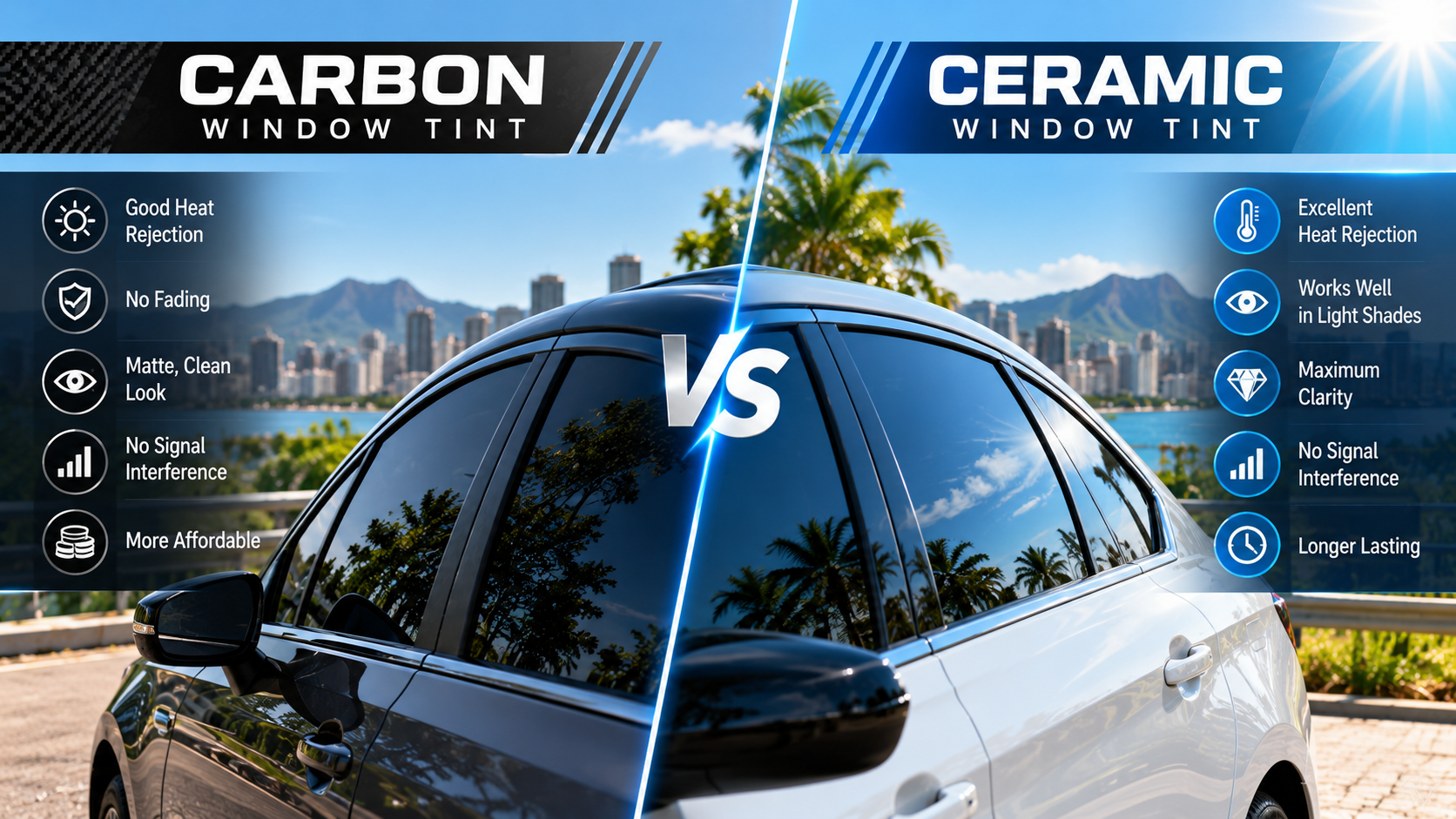
Walk into any tint shop and the first question is usually “how dark do you want it?” The better question is “which film should I use?” Two films of the same shade can perform completely differently. One can keep your cabin noticeably cooler for ten years, while the other fades, bubbles and does little against heat.
The two films most drivers end up choosing between are carbon and ceramic. Both are a big step up from cheap dyed film, but they aren’t the same, and the price gap between them is real. Here is how they compare and how to decide which one makes sense for your vehicle.
How window film blocks heat
Sunlight carries three things that matter to drivers:
- Visible light, which causes glare and is what tint darkness (VLT) measures.
- Ultraviolet (UV) rays, which fade interiors and damage skin.
- Infrared (IR) energy, which you feel as heat.
Almost every quality film today blocks around 99% of UV rays, so UV protection alone isn’t a reason to pay more. The real difference between films is how much infrared heat they stop, and how long they keep doing it.
When you compare films, look for the TSER rating (Total Solar Energy Rejected). It measures the overall heat a film blocks, not just how dark it looks. A higher TSER means a cooler cabin.
Carbon window tint: the strong middle option
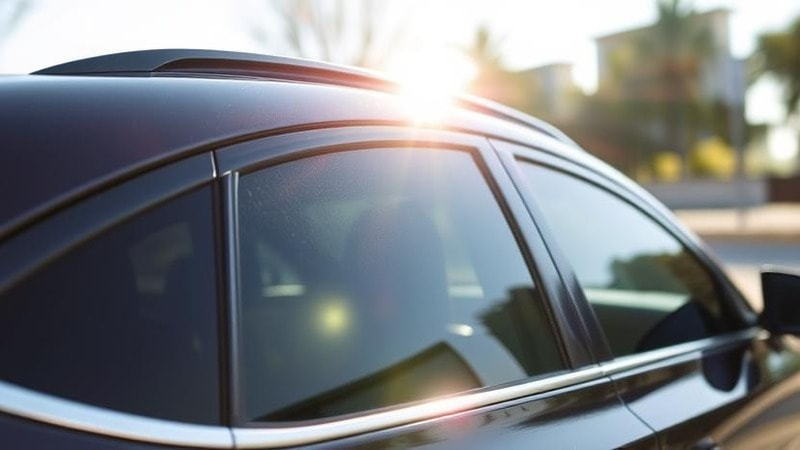
Carbon film uses carbon particles mixed into the film layers. It has become the go-to upgrade from dyed film for good reasons:
- Good heat rejection. Carbon blocks noticeably more infrared heat than dyed film.
- No fading. Carbon doesn’t turn purple over time the way cheap dyed film does.
- Matte, clean look. It has a dark, non-reflective finish many drivers like.
- No signal problems. Carbon contains no metal, so it won’t interfere with GPS, radio, Bluetooth or cell signals.
The main limitation is that carbon’s heat rejection depends partly on how dark it is. A light carbon film blocks less heat than a dark one. That matters if your state only allows light tint on the front windows.
Ceramic window tint: the premium choice
Ceramic film uses nano-sized ceramic particles that are especially good at blocking infrared energy. That creates a few clear advantages:
- The best heat rejection. High-grade ceramic films block far more infrared heat than carbon, even in lighter shades.
- Clarity. Ceramic film stays very clear from the inside, which helps with night driving.
- No signal interference. Like carbon, it is metal-free.
- Long life. Quality ceramic films resist fading, discoloration and peeling for many years.
The big benefit is that ceramic doesn’t need to be dark to work. A light ceramic film can keep a car cooler than a much darker carbon film. That makes it the smart pick for drivers in hot states with strict front-window limits, and for anyone who wants heat control without a dark look.
The downside is price. Ceramic usually costs noticeably more than carbon, and there are big quality differences between entry-level and top-tier ceramic lines.
Side-by-side comparison
| FeatureCarbon FilmCeramic Film | ||
| UV protection | About 99% | About 99% |
| Heat rejection | Good | Excellent |
| Works well in light shades | Moderate | Yes |
| Fading over time | Rare | Very rare |
| Signal interference | None | None |
| Typical cost | Mid-range | Higher |
How much each option costs
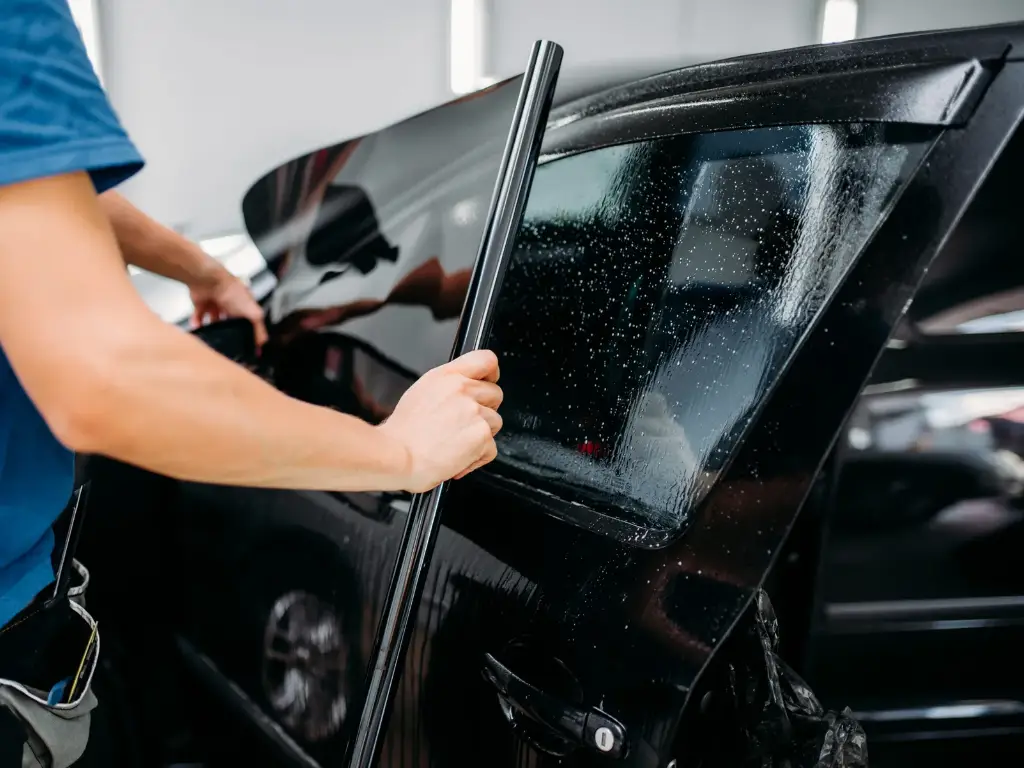
For a typical sedan, carbon film often costs a few hundred dollars for the side and rear windows. Ceramic commonly runs from around $400 to $800 or more. Trucks, SUVs and minivans cost more because they have more glass, and adding a windshield strip or a clear ceramic windshield film raises the total further.
Prices also change with your location, the film brand, the warranty and the shop’s experience. Rather than guessing, you can get a quick estimate for your exact vehicle with this window tint cost calculator. Enter your vehicle type, film type and number of windows, and it shows a realistic price range before you start calling shops.
Which film should you choose?
Choose carbon if:
- You want a solid upgrade over dyed film at a moderate price.
- You like a darker, matte look.
- You live in a mild climate where heat isn’t a major problem.
- You plan to keep the vehicle for only a few years.
Choose ceramic if:
- You live somewhere hot and sunny.
- Your state only allows light tint on the front windows, but you still want strong heat control.
- You spend long hours driving or have kids and pets in the back seat.
- You plan to keep the vehicle long term and want the film to last.
For many drivers, the best value is a mix: ceramic on the windshield strip and front windows, where light limits apply, and carbon or a darker ceramic on the rear glass.
Questions to ask before you buy
- Which brand and product line is the film? Ask for the exact name, not just “ceramic.”
- What are the TSER and IR rejection numbers?
- What does the warranty cover: bubbling, peeling, fading, color change?
- Is the warranty from the manufacturer, the shop or both?
- Will the final shade, including factory glass, still be legal in your state?
A good installer will answer all five without hesitation.
Real experience beats marketing claims
Film brands publish impressive spec sheets, but the most useful advice often comes from installers and drivers who have lived with these films for years in real heat. That kind of hands-on knowledge is exactly what new buyers need. If you install window film, run a detailing shop or have tested different films on your own vehicles, consider sharing what you have learned. The Car Tint Masters automotive write for us page explains how to pitch an article on tint, film, trucks or car care.
The bottom line
Carbon is a reliable, affordable upgrade that suits most drivers in moderate climates. Ceramic costs more, but it delivers the best heat rejection, especially in light, legal shades. Match the film to your climate, your state’s limits and how long you plan to keep the vehicle, and you’ll get tint that’s worth every dollar.
For more guides on film types, tint costs and state laws, visit Car Tint Masters.
