

Salicylic acid serum is a popular skincare product used to manage excess oil, clogged pores, blackheads, and acne-prone skin. It contains salicylic acid, an ingredient known for its exfoliating properties and ability to penetrate oily areas of the skin. When used correctly, it can help improve skin texture, reduce pore congestion, and support a clearer-looking complexion. Understanding how salicylic acid serum works can help you decide whether it is suitable for your skincare routine.
What Is Salicylic Acid Serum?
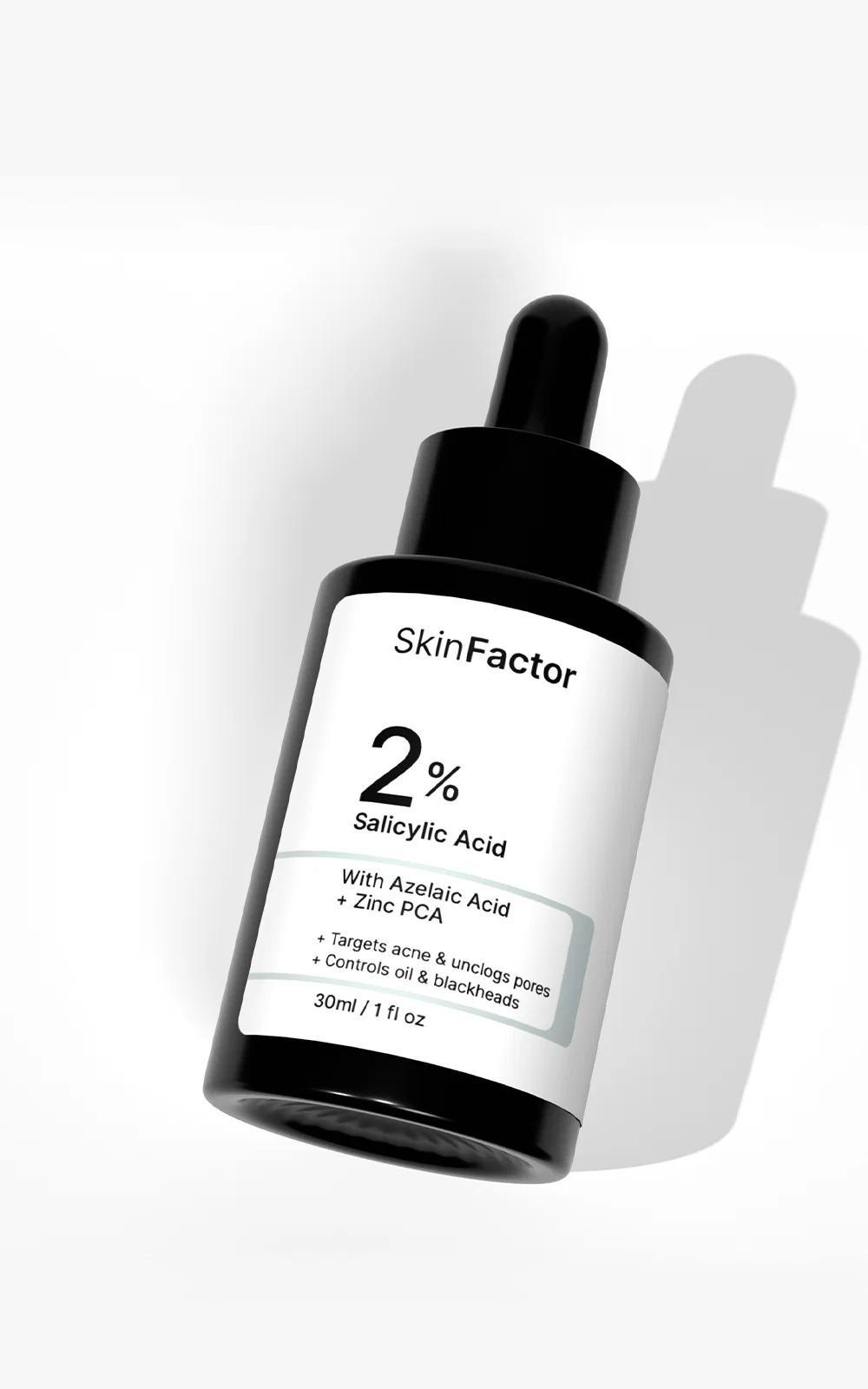
Skin Factor Salicylic Acid Serum is a leave-on skincare product formulated with salicylic acid, a beta hydroxy acid commonly known as BHA. Unlike some exfoliating ingredients that primarily work on the skin’s surface, salicylic acid is oil-soluble, which helps it interact with the oil inside pores.
Pores can become clogged when excess sebum, dead skin cells, and other debris accumulate. This buildup may contribute to blackheads, whiteheads, and certain types of acne. Salicylic acid helps loosen the connections between dead skin cells, supporting their removal and helping pores become less congested.
Most salicylic acid serums are designed to be applied after cleansing and before moisturizing. Their concentrations and supporting ingredients vary, so checking the product label is important. Some formulas focus on oily skin, while others contain moisturizing ingredients to help reduce dryness.
How Does Salicylic Acid Serum Work?
Salicylic acid serum works primarily through exfoliation. It helps loosen dead skin cells that accumulate on the skin’s surface and around pore openings. Because salicylic acid is oil-soluble, it can also work within oil-rich pores, making it particularly useful for people who experience blackheads and clogged pores.
Here are the main ways it supports the skin.
1. Helps Unclog Pores
Clogged pores are a common concern for people with oily or acne-prone skin. When oil and dead skin cells collect inside pores, small bumps and blackheads may develop.
Salicylic acid helps loosen this buildup and encourages the removal of dead skin cells. With consistent and appropriate use, it may help reduce pore congestion and make the skin appear smoother.
However, it does not permanently shrink pores. Instead, reducing the buildup inside them may make pores look less noticeable.
2. Supports Blackhead Reduction
Blackheads form when a pore becomes blocked and the material inside it is exposed to air, causing it to darken. They frequently appear on the nose, forehead, and chin.
Salicylic acid serum can help loosen the dead skin cells and oil associated with blackheads. Regular use may gradually improve their appearance, although results vary depending on the severity of the blockage and the product formulation.
Avoid squeezing blackheads or using harsh scrubs alongside the serum, as these practices can irritate the skin.
3. Helps Manage Excess Oil
Excess sebum can make the face appear shiny and contribute to clogged pores. Salicylic acid serum helps remove accumulated oil and dead skin cells from pore openings, making it a useful option for many people with oily skin.
It is important to understand that salicylic acid does not permanently stop oil production. Your skin continues to produce natural oils that help maintain its protective barrier.
Using too much of the serum in an attempt to eliminate oil can cause dryness, irritation, or peeling. A balanced skincare routine is more helpful than trying to remove all facial oil.
4. Improves Skin Texture
Uneven skin texture may develop when dead skin cells accumulate on the surface or pores become congested. Salicylic acid supports exfoliation, which can help the skin feel smoother over time.
Some people notice that their complexion looks more refined after consistent use. However, salicylic acid serum is not a guaranteed treatment for deep acne scars, and significant texture concerns may require professional advice.
Who Can Benefit From Salicylic Acid Serum?
Salicylic acid serum is generally most useful for people whose main concerns include excess oil, blackheads, whiteheads, and clogged pores.
Oily skin: It may help remove accumulated oil and reduce pore congestion.
Acne-prone skin: It can help manage certain types of acne, particularly blackheads and whiteheads.
Combination skin: It may benefit oily areas, such as the forehead, nose, and chin. People with dry cheeks should introduce it carefully.
Uneven texture: Its exfoliating action may help improve roughness associated with dead skin buildup.
People with sensitive, very dry, or irritated skin should be more cautious. Salicylic acid can cause stinging, redness, peeling, and dryness, especially when used too frequently. Anyone with an aspirin or salicylate allergy should seek medical advice before using it.
How to Use Salicylic Acid Serum Correctly
Using salicylic acid serum properly can help you get its potential benefits while minimizing irritation. Follow the product’s specific instructions because formulations differ.
- Cleanse your face: Use a gentle cleanser to remove dirt, sunscreen, and excess oil.
- Apply the serum: Follow the label directions and use the recommended amount on clean, dry skin. Avoid the eyes, lips, and broken or irritated areas.
- Start gradually: If you are new to salicylic acid, begin with a low frequency, such as two or three times per week, if the product instructions permit.
- Apply moisturizer: Choose a moisturizer that supports the skin barrier and helps prevent excessive dryness.
- Use sunscreen during the day: Broad-spectrum SPF 30 or higher helps protect your skin from UV damage and is an important part of a daytime skincare routine.
Do not increase the frequency simply because results are not immediate. Consistency and tolerability matter more than applying extra product.
How Long Does Salicylic Acid Serum Take to Work?
Results depend on the concentration, formulation, frequency of use, and condition of your skin. Some people may notice changes in oiliness or skin texture within a few weeks, while blackheads and persistent breakouts may take several weeks of consistent use to improve.
Give the product time to work while monitoring your skin’s response. If irritation develops, reduce use or stop applying the serum until your skin recovers. Persistent or severe acne may require treatment from a dermatologist.
Salicylic acid is not an instant solution, and individual results can vary.
Can Salicylic Acid Serum Cause Side Effects?
Although salicylic acid is widely used in skincare, it can cause side effects, particularly when introduced too quickly or combined with several exfoliating products.
Possible side effects include:
- Dryness or tightness
- Redness and irritation
- Peeling or flaking
- Stinging or burning sensations
To reduce these risks, avoid combining salicylic acid with multiple strong exfoliants or other potentially irritating treatments unless a qualified professional recommends the combination. Patch-testing a new product can also help identify signs of irritation before regular use.
Stop using the serum if you develop significant discomfort or persistent irritation. Seek medical advice if your reaction is severe.
Can You Use Salicylic Acid Serum With Other Skincare Ingredients?
Salicylic acid can fit into a routine with several complementary ingredients.
- Niacinamide: Often used to support the skin barrier and help manage the appearance of excess oil.
- Hyaluronic acid: Helps attract and retain moisture, making it useful for maintaining hydration.
- Moisturizers with ceramides: Help support the skin’s protective barrier and reduce moisture loss.
Introduce new active ingredients gradually rather than adding several products at once. Combining salicylic acid with retinoids, benzoyl peroxide, or other exfoliating acids may increase irritation for some users, so the best approach depends on your skin and the specific formulations.
Final Thoughts
Salicylic acid serum is a useful skincare option for people who want to manage clogged pores, blackheads, excess oil, and certain types of acne. Its oil-soluble exfoliating properties help loosen dead skin cell buildup and support smoother-looking skin.
For the best results, choose a suitable formulation, begin with a manageable frequency, moisturize regularly, and use sunscreen during the day. Avoid overusing the product or expecting overnight changes. With a consistent and gentle skincare routine, salicylic acid serum may help improve the appearance and feel of acne-prone skin over time.
