

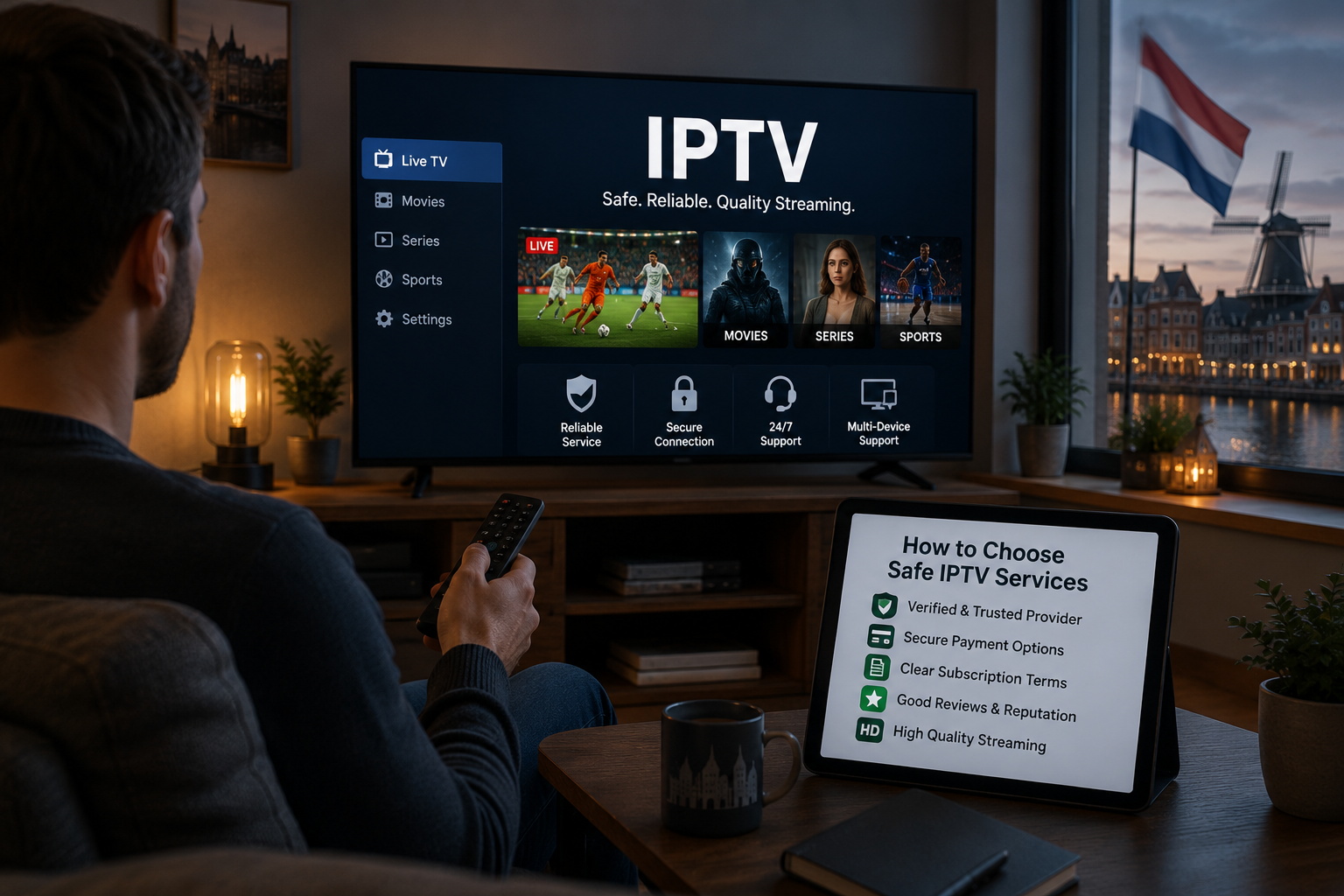
Dutch viewers are paying closer attention to IPTV in 2026 after a new wave of enforcement against illegal IPTV websites. According to Dutch anti-piracy organisation BREIN, 81 illegal IPTV websites were taken offline in the first months of the year, with most of them staying permanently offline.
For consumers, the message is clear: IPTV itself is not the issue. IPTV is simply a way to deliver television through an internet connection. The real risk comes from unclear sellers, unrealistic promises, anonymous websites, poor support, and subscription offers that may disappear without warning.
For Dutch households comparing online TV options, https://iptvtotaalofficieel.com is one place viewers may look when they want a more structured IPTV setup for Smart TVs, Android boxes, iPhone, iPad, laptops, and other common home devices.
What Happened in the Dutch IPTV Market?
The Dutch IPTV market has become more visible because enforcement against illegal IPTV sellers has increased. Illegal IPTV websites often sell access to channels, sports, films, or streaming services without proper authorisation. These websites may look professional, but they can expose viewers to serious problems.
For Dutch consumers, the biggest risks are practical as well as legal. A website can disappear after payment. A seller may offer no support. A subscription can stop working overnight. Personal data or payment details may be handled by an unknown party. In some cases, illegal IPTV offers are also linked with phishing, malware, or misleading advertising.
That is why Dutch viewers should not only ask, “How many channels do I get?” They should ask, “Who is behind the service, how clear is the setup, and what support is available if something goes wrong?”
IPTV Is Not the Problem, Unclear Providers Are
IPTV stands for Internet Protocol Television. It means TV content is delivered through an internet connection instead of a traditional cable or satellite signal.
This technology can be useful for Dutch households because many people now watch content across different devices. One person may watch sport on the living room TV. Another may watch films on a tablet. Someone else may want international channels on a laptop. IPTV can support this kind of flexible viewing when the setup is clear and stable.
The problem begins when sellers make unrealistic promises, hide their identity, provide no real support, or offer subscriptions that seem too good to be true. In 2026, Dutch viewers need to be more careful because enforcement activity shows that unstable and illegal IPTV offers can disappear quickly.
Why Dutch Viewers Should Pay Attention
A low-cost IPTV offer can look attractive at first, especially when it promises thousands of channels, premium sports, films, series, and international content in one package. But a cheap offer is not useful if the service disappears, buffers constantly, or provides no help when the app does not work.
Dutch viewers should pay attention because IPTV is often used on everyday household devices, including:
- Smart TVs
- Android boxes
- Fire Stick devices
- iPhones
- iPads
- Laptops
- Tablets
- MAG boxes
- Other streaming devices
If the provider gives unclear setup instructions, the user may struggle before even watching anything. If the provider gives no support, a small app issue can become a complete waste of money.
The safer approach is to evaluate IPTV like any other digital subscription: check the provider, test the setup, understand the terms, and avoid sellers that rely only on anonymous social media messages or vague promises.
The 2026 Dutch IPTV Safety Checklist
Before choosing an IPTV subscription, Dutch viewers should go through a simple checklist. This is especially important now that enforcement against illegal IPTV websites is active.
What to checkWhy it mattersClear websiteA real website gives users a place to read information before buyingDevice compatibilityIPTV should work on the device you actually useSetup instructionsClear setup steps reduce frustrationCustomer supportSupport matters when apps, playlists, or devices failStable streaming qualityHD and 4K only matter if the stream is reliableTrial or short optionTesting first reduces subscription regretRealistic claimsAvoid offers that sound impossible or too good to be trueNews or update sectionA maintained website gives users more confidence
When comparing IPTV abonnementen, Dutch viewers should look beyond channel numbers. A large channel list is not enough. Stability, device support, clear instructions, and responsive support are more important for everyday viewing.
The Red Flags Dutch Consumers Should Avoid
Not every IPTV offer deserves trust. Some warning signs are easy to spot.
Be careful if a provider:
- Has no clear website
- Only sells through private messages
- Refuses to explain setup steps
- Gives no support options
- Promises everything for an unrealistic price
- Uses pressure tactics like “only today”
- Has no information about compatible devices
- Provides no clear subscription details
- Gives no refund or trial information
- Avoids basic questions about service reliability
A serious IPTV provider should make the buying process clear. Users should understand what they are paying for, how to install it, which devices are supported, and where to ask for help.
Why a Trial or Short Subscription Matters
A trial or short subscription can help Dutch viewers avoid paying for a long plan before testing the service. IPTV performance can depend on many factors, including internet speed, Wi-Fi strength, app choice, device memory, and stream quality.
A short test helps users check:
- Does the service open correctly?
- Does it work on my Smart TV?
- Does it work on my Android box?
- Are HD and 4K streams stable?
- Is the EPG easy to use?
- Does support respond when needed?
- Does the service work during evening hours?
- Does it work during live sport?
This matters because a service can work well on one device but not another. A Smart TV app may behave differently from an Android box app. A Wi-Fi connection may perform differently from Ethernet. A trial helps reveal those issues before a longer commitment.
What Dutch Households Should Check Before Buying IPTV
Dutch homes have specific setup challenges. Many routers are placed in the meterkast, which is convenient for installation but not always ideal for Wi-Fi strength. Older houses, thick walls, apartment buildings, and busy neighbourhood networks can all affect streaming quality.
Before buying IPTV, check the basics:
- Test your internet speed during the evening.
- Check whether your Smart TV or streaming device supports the recommended app.
- Try Ethernet if your TV is close to the router.
- Make sure your device has enough storage and memory.
- Confirm whether the provider gives setup support.
- Start with a shorter option before choosing a longer plan.
- Avoid sellers that cannot answer basic setup questions.
These checks are simple, but they prevent most common IPTV problems.
IPTV for Live Sport, Films and Family Viewing
Many Dutch viewers look at IPTV because they want one flexible setup for different types of content. Live sport, films, series, news, documentaries, and international channels are often part of the same household viewing routine.
A family may have one person watching football, another watching films, and someone else watching international news. A good IPTV setup should make that easier, not more complicated.
For live sport, stability matters most. A stream that buffers during an Eredivisie match, Formula 1 race, or Champions League evening is not useful. Viewers should test IPTV during real viewing times, not only during quiet hours.
For films and series, picture quality and app usability matter more. For international channels, the channel list and language options matter. For families, device flexibility matters because not everyone watches on the same screen.
How IPTV Totaal Fits Into a Safer Viewing Setup
IPTV Totaal can be positioned as an option for Dutch viewers who want a more organised IPTV experience across common household devices. The main benefit is not simply having more channels. The benefit is having a clearer setup, device flexibility, and a better understanding of how IPTV should work in a normal Dutch home.
That distinction matters in 2026. Consumers are more aware of illegal IPTV enforcement, and they are more cautious about online subscriptions. A provider that explains device compatibility, setup, support, and subscription options naturally feels more trustworthy than a vague seller with no clear information.
The safer IPTV choice is the one that helps users understand the setup before they pay, supports the devices they actually use, and does not rely on unrealistic promises.
What to Do Before Buying Any IPTV Subscription
Before choosing any IPTV provider, Dutch viewers should follow these steps:
- Search the provider’s website.
- Check whether the site explains device compatibility.
- Read the setup instructions.
- Look for support information.
- Start with a short option if available.
- Test during the time you normally watch TV.
- Check whether the service works on your main device.
- Avoid anonymous sellers.
- Be careful with unrealistic claims.
- Follow updates through iptv nieuws nederland so you stay aware of IPTV developments in the Netherlands.
This process is not complicated, but it helps users avoid weak providers and poor setup decisions.
Why News and Updates Matter in IPTV
The IPTV market changes quickly. Apps change. Devices update. Enforcement actions continue. Streaming habits shift. Dutch viewers who follow IPTV news are better prepared to make informed choices.
A news section can help users understand:
- IPTV setup changes
- Device support updates
- Dutch market developments
- Streaming tips
- Common troubleshooting issues
- Consumer safety concerns
- New viewing trends
This is useful because IPTV is not a one-time purchase. It is an ongoing digital service that depends on technology, internet quality, device compatibility, and provider stability.
The Consumer Takeaway
The latest enforcement wave against illegal IPTV websites should not make Dutch viewers panic. It should make them more selective.
IPTV can still be a useful viewing option when the provider is clear, the setup is stable, and the user understands what they are buying. The risky part is not the IPTV technology itself. The risky part is choosing unknown sellers, vague offers, and unrealistic subscriptions that may disappear without support.
Dutch viewers should treat IPTV like any other online service: check the website, test the setup, understand the subscription, and avoid anything that feels unclear.
Final Verdict
The Dutch IPTV market is under closer scrutiny in 2026. With dozens of illegal IPTV websites taken offline, consumers should be more careful about where they buy and how they evaluate providers.
A safer IPTV choice starts with transparency. Dutch viewers should look for clear setup information, realistic claims, device compatibility, support availability, and subscription options that make sense for their household.
The best IPTV setup is not just about access. It is about stable viewing, clear instructions, supported devices, and confidence that the service will work when people actually want to watch.
FAQ
Why are illegal IPTV websites being taken offline in the Netherlands?
Illegal IPTV websites are being targeted because they can sell unauthorised access to TV channels, sports, films, or streaming services. Dutch enforcement has increased in 2026.
Is IPTV illegal in the Netherlands?
IPTV technology itself is not illegal. IPTV simply means television delivered through an internet connection. The legal risk comes from services that offer unauthorised access to protected content.
What should Dutch viewers check before buying IPTV?
Dutch viewers should check the provider’s website, device compatibility, setup instructions, support options, subscription terms, and whether the offer sounds realistic.
Why is a trial useful before choosing IPTV?
A trial helps users test whether the IPTV service works on their device, internet connection, app, and normal viewing routine before choosing a longer subscription.
What are the biggest IPTV red flags?
The biggest red flags are anonymous sellers, unrealistic prices, no clear website, no support, no setup instructions, vague subscription terms, and pressure-based sales messages.
Does IPTV work on Smart TVs?
IPTV can work on many Smart TVs, but compatibility depends on the app, device model, internet connection, and provider setup instructions.
Why does IPTV quality depend on my home setup?
IPTV depends on internet speed, Wi-Fi strength, router location, device performance, app stability, and stream quality. A good subscription still needs a stable home setup.
What is the safest way to compare IPTV providers?
The safest way is to compare transparency, support, device compatibility, setup guidance, stream stability, subscription clarity, and whether the provider gives realistic information.
