

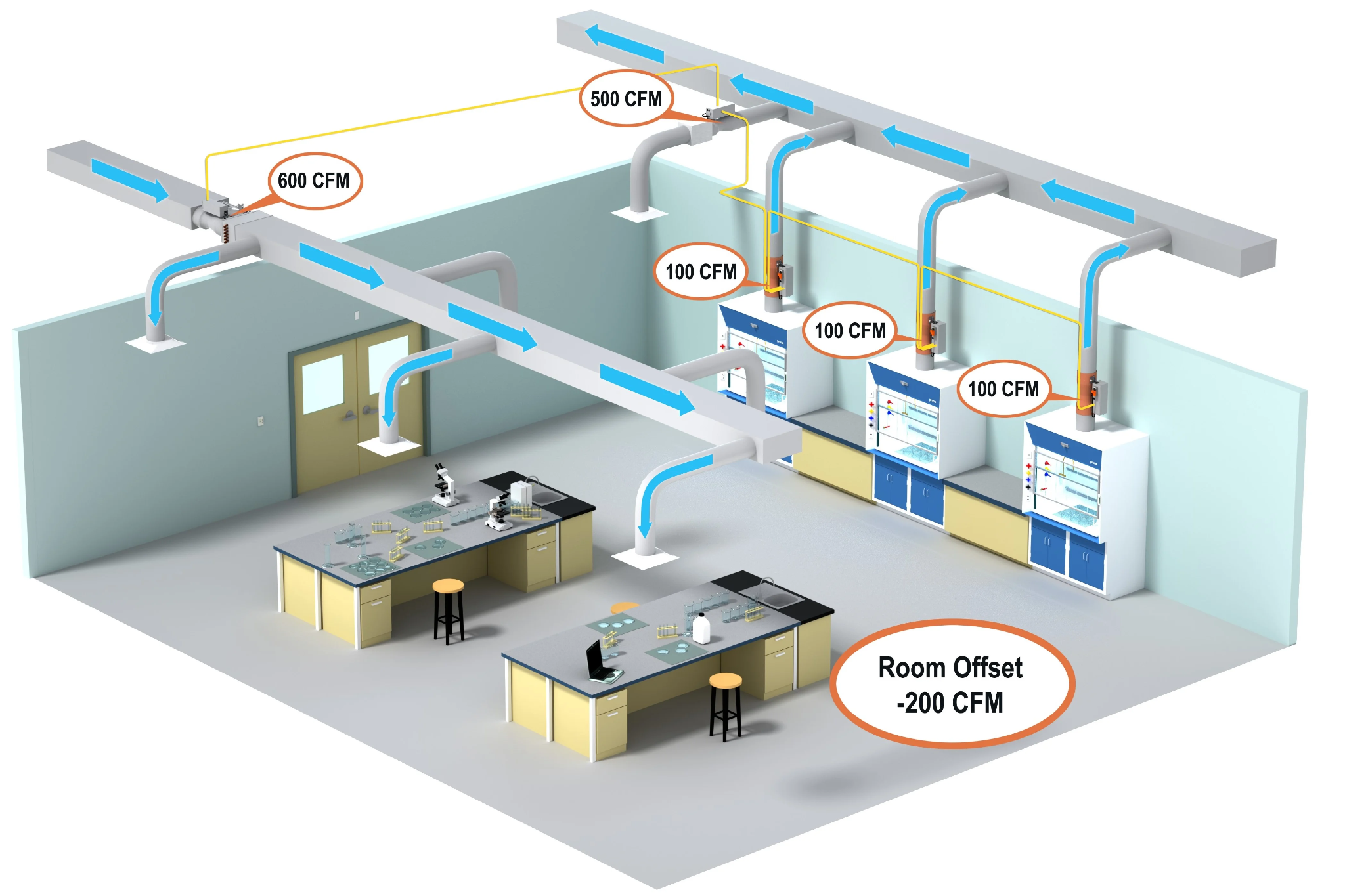
Modern buildings are designed to do much more than provide shelter. Whether it’s a hospital, pharmaceutical laboratory, research facility, manufacturing plant, or commercial office, indoor environments must maintain consistent conditions that support safety, comfort, and operational efficiency. One of the most important yet often overlooked factors in achieving this goal is maintaining stable air pressure.
Air pressure management plays a critical role in controlling airflow between different spaces, preventing contamination, supporting ventilation systems, and helping facilities comply with industry standards. Even small fluctuations can affect sensitive environments where cleanliness and environmental control are essential.
From what I’ve observed, many facility managers focus on heating and cooling performance while underestimating the importance of pressure stability. In reality, maintaining balanced air pressure is just as important as maintaining the correct temperature.
Understanding Air Pressure in Buildings
Air pressure refers to the force exerted by air within an enclosed space. In commercial and industrial buildings, HVAC systems are carefully designed to create pressure differences that control the movement of air between rooms.
Depending on the application, spaces may operate under:
- Positive pressure
- Negative pressure
- Neutral pressure
Each serves a different purpose depending on the building’s operational requirements.
For example, operating theatres often use positive pressure to reduce the risk of contaminants entering the room, while isolation rooms may require negative pressure to help contain airborne particles.
Why Stable Air Pressure Is Important
Maintaining consistent air pressure provides several operational and safety benefits.
Improved Indoor Air Quality
Proper pressure control helps direct airflow as intended, reducing the movement of dust, pollutants, and airborne contaminants between different areas of a building.
Enhanced Safety
Facilities handling hazardous substances or sensitive materials rely on pressure control to help protect occupants and maintain controlled environments.
Better HVAC Performance
Balanced pressure allows ventilation systems to operate more efficiently, improving airflow while reducing unnecessary strain on equipment.
Regulatory Compliance
Many healthcare, pharmaceutical, and industrial facilities must meet strict environmental standards. Stable pressure management helps support compliance with these requirements.
Industries That Depend on Pressure Control
Pressure management is essential across a wide range of sectors.
These include:
- Hospitals
- Pharmaceutical manufacturing
- Biotechnology laboratories
- Research facilities
- Cleanrooms
- Electronics manufacturing
- Food production
- Industrial processing plants
Each environment requires carefully controlled airflow to maintain safety, product quality, or operational performance.
The Role of Air Pressure Stabilisers
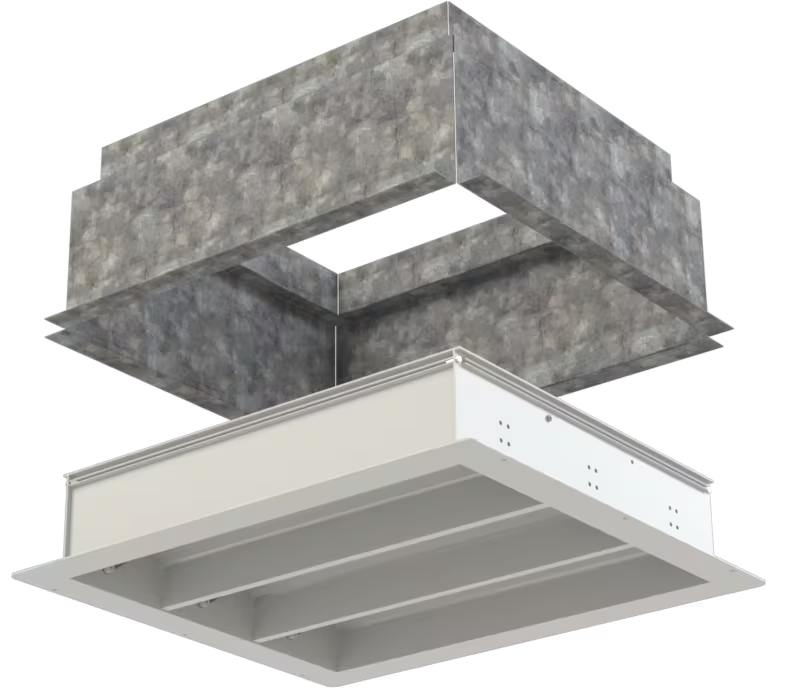
Pressure fluctuations can occur as doors open, ventilation systems adjust, or occupancy levels change throughout the day.
Modern stabilisation equipment helps maintain consistent room conditions by automatically responding to these changes.
For facilities seeking reliable Air Pressure control solutions, pressure stabilisers can help support safe room conditions, improve airflow management, and maintain stable environmental performance in critical applications.
Common Challenges in Pressure Management
Even well-designed ventilation systems may experience pressure variations.
Common causes include:
Frequent Door Openings
High-traffic areas often experience sudden pressure changes as people move between rooms.
HVAC Imbalances
Incorrect airflow settings may create unwanted pressure differences.
Equipment Changes
Adding or modifying ventilation equipment can affect room balance.
Building Modifications
Renovations may alter airflow patterns if ventilation systems are not adjusted accordingly.
Regular monitoring helps identify these issues before they affect building performance.
Benefits of Modern Pressure Control Solutions
Advances in building technology have significantly improved pressure management.
Today’s systems often provide:
Continuous Monitoring
Sensors measure pressure differences in real time, allowing immediate response to changing conditions.
Automatic Adjustment
Modern controls can regulate airflow automatically to maintain desired pressure levels.
Energy Efficiency
Optimised airflow helps HVAC systems operate more efficiently, reducing unnecessary energy consumption.
Improved Reliability
Stable environmental conditions contribute to consistent operational performance across sensitive facilities.
Supporting Sustainable Buildings
Sustainability has become an important consideration for building owners and facility managers.
Efficient pressure control contributes by:
- Reducing energy waste
- Improving HVAC efficiency
- Supporting indoor environmental quality
- Extending equipment lifespan
- Lowering operating costs
When integrated with modern building management systems, pressure control can play a valuable role in overall energy optimisation.
Practical Tips for Maintaining Stable Air Pressure
Building managers can improve pressure performance by following several best practices.
Inspect HVAC Systems Regularly
Routine maintenance helps ensure ventilation equipment operates efficiently.
Monitor Pressure Continuously
Real-time monitoring allows problems to be identified before they become significant.
Minimise Unnecessary Air Leakage
Proper door seals and building maintenance help preserve pressure balance.
Review Airflow After Renovations
Changes to building layouts or ventilation systems should always include pressure verification.
Train Facility Staff
Employees should understand how operational activities can influence controlled environments.
Future Trends in Building Environmental Control
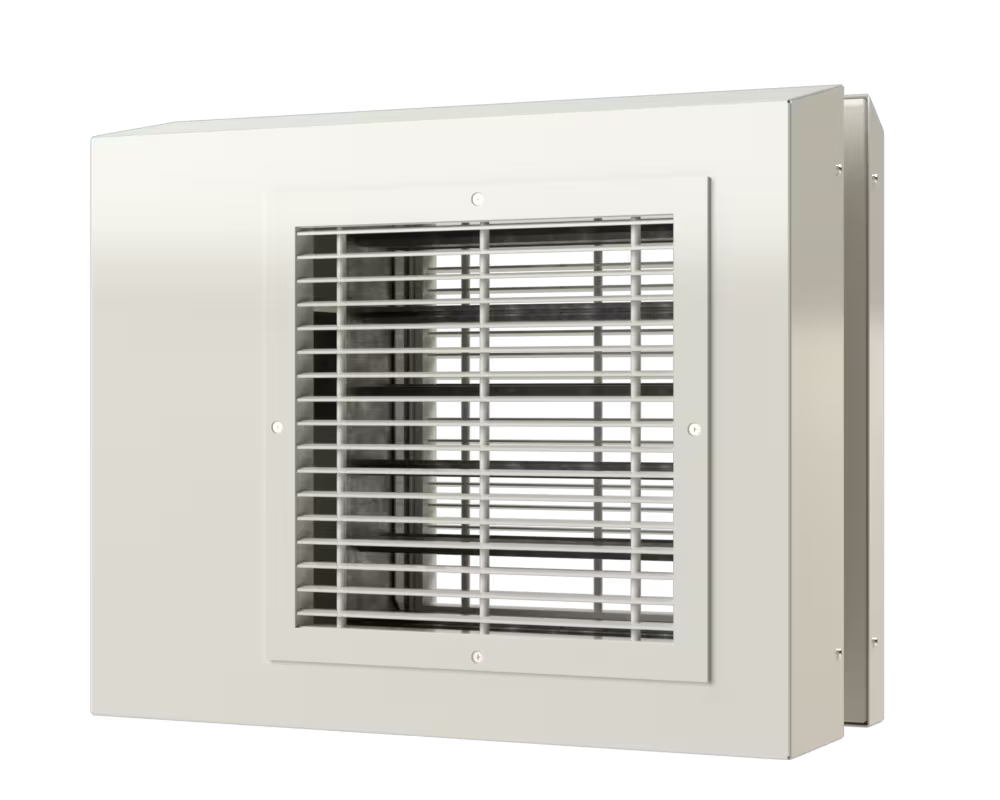
Pressure management continues to evolve alongside smart building technologies.
Emerging trends include:
- Intelligent building automation
- Digital environmental monitoring
- Predictive HVAC maintenance
- Integrated pressure analytics
- Energy-efficient ventilation systems
- Remote facility management
These innovations help organisations maintain safer, more efficient, and better-controlled indoor environments.
Conclusion
Stable air pressure is an essential component of modern building performance. Whether supporting healthcare facilities, laboratories, manufacturing environments, or commercial buildings, effective pressure management improves safety, enhances indoor air quality, and contributes to reliable HVAC operation.
As buildings become increasingly sophisticated, maintaining consistent environmental conditions will remain a key priority. Investing in effective pressure control solutions helps create healthier, safer, and more efficient spaces while supporting long-term operational success.
