

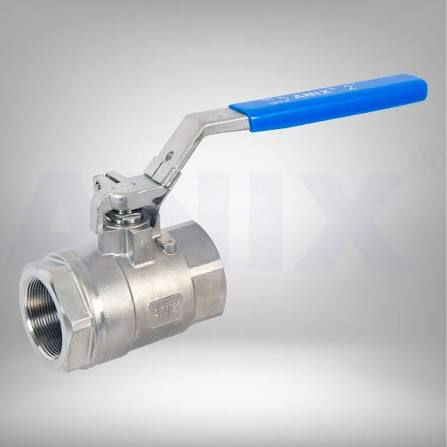
Introduction to Anix Valves USA
Anix Valves USA represents a focus on dependable valve solutions for industrial, commercial, and process anix valves usa applications where controlling the movement of liquids, gases, and other materials is essential. Valves play a critical role in many industries because they regulate flow, control pressure, isolate equipment, and help protect piping systems. When businesses search for Anix Valves USA, they are generally looking for quality valve products and solutions that can support demanding operational environments. Selecting the right valve requires consideration of factors such as application requirements, operating pressure, temperature, fluid characteristics, connection type, material, and maintenance needs.
Importance of Industrial Valves
Industrial valves are fundamental components of modern fluid-handling systems. They can be found in manufacturing facilities, water treatment plants, chemical processing operations, energy facilities, HVAC systems, and numerous other applications. A properly selected valve allows operators to start, stop, regulate, or redirect flow efficiently. Poor valve selection, on the other hand, can result in leakage, pressure problems, inefficient operations, increased maintenance, or unexpected downtime. This is why organizations seeking Anix Valves USA solutions should consider both the technical specifications of a product and the requirements of the system where it will be installed.
Types of Valve Solutions
Different applications require different valve designs. Ball valves are widely used when reliable shutoff and straightforward operation are required. Butterfly valves can be useful for controlling flow in larger pipelines while offering a relatively compact design. Gate valves are commonly selected for applications requiring full-flow isolation, while globe valves can provide more precise flow regulation. Check valves are designed to help prevent reverse flow and can contribute to protecting pumps and other equipment. Choosing among these options depends on the purpose of the valve, the type of media being handled, and the operating conditions.
Applications Across Industries
Valve technology is used across a broad range of industries in the United States. Manufacturing facilities depend on valves to manage water, steam, compressed air, chemicals, and other process fluids. In oil and gas operations, specialized valves can be required for demanding pressure and temperature conditions. Water and wastewater facilities use valves throughout treatment and distribution systems. Food and beverage manufacturers may require valve solutions designed around cleanliness and hygienic processing. HVAC systems also depend on valves to regulate water and other fluids used for heating and cooling. These diverse applications demonstrate why selecting a suitable valve is an important part of system design.
Material and Construction Considerations
The material used in a valve can significantly affect its performance and service life. Common materials include stainless steel, carbon steel, cast iron, brass, and various engineered materials. The appropriate choice depends on the fluid, temperature, pressure, corrosion potential, and environmental conditions. For corrosive applications, a suitable corrosion-resistant material may be necessary. For high-temperature or high-pressure environments, construction and sealing materials must be selected carefully. Businesses researching Anix Valves USA should therefore review product specifications and ensure that the selected valve is compatible with the intended operating environment.
Performance and Reliability
Reliability is one of the most important considerations when selecting industrial valves. A dependable valve should operate consistently under the conditions for which it was designed. Proper sizing, suitable materials, correct installation, and regular inspection can all contribute to dependable performance. A valve that is appropriately matched to the application can help minimize operational interruptions and maintenance requirements. Companies should also consider factors such as actuator compatibility, pressure ratings, temperature limits, flow requirements, and available replacement components before making a purchasing decision.
Choosing the Right Valve
Selecting a valve should begin with a clear understanding of the application. Engineers and maintenance professionals may need to identify the type of fluid, required flow rate, operating pressure, operating temperature, pipeline size, and desired control method. The valve’s end connection and installation space are also important considerations. In automated systems, an appropriate actuator and control arrangement may be required. By evaluating these factors before purchase, organizations can reduce the risk of choosing a product that does not meet system requirements.
Maintenance and Long-Term Value
Even high-quality valves require appropriate maintenance. Routine inspection can help identify signs of wear, leakage, corrosion, or mechanical problems before they become serious issues. Maintenance schedules should reflect the operating environment and the manufacturer’s recommendations. Keeping accurate records of inspections and replacements can also help businesses plan future maintenance and reduce unexpected downtime. Proper maintenance extends equipment life and helps maintain the overall efficiency of a fluid-handling system.
Why Product Specifications Matter
Product documentation is an important resource when purchasing valves. Specifications provide information about dimensions, materials, pressure ratings, temperature ranges, connection standards, and other characteristics that determine whether a valve is suitable for a particular application. Buyers should carefully compare these details rather than selecting a product based only on appearance or price. Professional technical assistance can also be valuable when an application involves complex fluids, unusual operating conditions, or specialized industrial requirements.
Conclusion
Anix Valves USA is a useful search focus for businesses and professionals looking for dependable valve solutions for industrial and commercial fluid-control systems. Valves influence safety, efficiency, reliability, and maintenance requirements, making correct selection particularly important. From ball and butterfly valves to gate, globe, and check valves, each design serves a different purpose. By considering application requirements, materials, pressure and temperature conditions, installation needs, and maintenance requirements, organizations can make more informed purchasing decisions. A carefully selected valve can support consistent system performance while helping businesses manage operational demands over the long term.
