

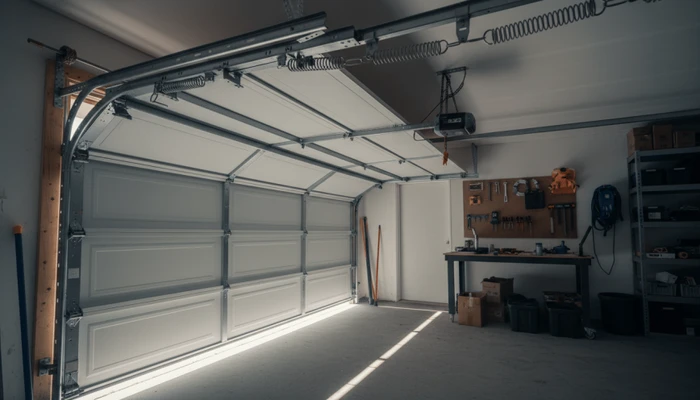
In an era where smart homes are no longer a futuristic fantasy but an everyday reality, automatic technology garage doors have emerged as one of the most sought-after home upgrades worldwide. Whether you’re building a new home, renovating an existing property, or simply looking to enhance your home’s security and curb appeal, investing in automatic technology garage doors is a decision that pays dividends in convenience, safety, and property value.
This comprehensive guide covers everything you need to know about automatic technology garage doors — from how they work and the different types available to installation tips, maintenance advice, cost considerations, and the latest smart features trending in 2026.
What Are Automatic Technology Garage Doors?
Automatic technology garage doors are motorized door systems that open and close with the push of a button, a tap on your smartphone, or even through voice commands. Unlike traditional manual garage doors that require physical effort to lift and lower, these doors rely on an electric motor, a drive mechanism, and a control system to operate seamlessly.
The term “Automatic Technology” is also associated with a well-known Australian brand that manufactures garage door openers and accessories. However, in a broader sense, the phrase refers to any garage door system equipped with automated opening and closing mechanisms powered by modern technology.
These systems have evolved dramatically over the past decade. Today’s automatic garage doors integrate with home automation ecosystems, feature advanced safety sensors, offer battery backup solutions, and can even alert you on your phone if someone attempts unauthorized access.
How Do Automatic Technology Garage Doors Work?
Understanding the mechanics behind automatic technology garage doors helps homeowners make informed purchasing and maintenance decisions. Here’s a simplified breakdown of how these systems operate:
1. The Motor Unit At the heart of every automatic garage door is a motor unit, typically mounted on the ceiling of the garage. This motor powers the drive mechanism that moves the door up and down along its tracks.
2. The Drive Mechanism There are three primary drive types:
- Chain Drive: Uses a metal chain to pull or push the door. It’s durable and affordable but tends to be noisier.
- Belt Drive: Uses a rubber belt instead of a chain. It operates much more quietly and is ideal for garages attached to living spaces.
- Screw Drive: Uses a threaded steel rod to move the door. It requires less maintenance but may struggle in extreme temperature fluctuations.
3. The Control System The control system includes remote controls, wall-mounted panels, keypads, and increasingly, smartphone apps. Modern systems also support voice assistants like Amazon Alexa, Google Assistant, and Apple HomeKit.
4. Safety Sensors Automatic garage doors are equipped with infrared sensors near the base of the door. If anything — a person, pet, or object — breaks the infrared beam while the door is closing, it automatically reverses to prevent injury or damage.
5. Manual Override In the event of a power outage or system malfunction, automatic garage doors feature a manual release mechanism, usually a red cord hanging from the motor rail, allowing you to operate the door by hand.
Types of Automatic Technology Garage Doors
Choosing the right type of automatic garage door depends on your space, budget, aesthetic preferences, and functional needs. Below are the most popular types available in 2026:
1. Roller Garage Doors Roller doors coil up into a compact drum above the opening. They are excellent for garages with limited ceiling space and offer a clean, modern aesthetic. Automatic roller doors are among the most popular choices for residential properties.
2. Sectional Garage Doors Made up of panel sections connected with hinges, sectional doors bend over a curved track as they open, sliding up and resting parallel to the ceiling. They provide excellent insulation and are available in a wide range of designs and materials.
3. Tilt Garage Doors Also known as up-and-over doors, tilt garage doors swing outward and then slide up into the garage ceiling. They are simple in design and work well with automatic openers, though they require clearance space in front of the garage.
4. Side-Sliding Garage Doors These doors slide along a track to one side of the garage wall. They are ideal for garages with high or obstructed ceilings and offer easy partial-opening capabilities.
5. Swing-Out Garage Doors (Carriage Style) For homeowners seeking a traditional or rustic look, automatic carriage-style doors swing outward from the center. Modern automation kits can be retrofitted to these doors for convenient operation.
Key Features of Modern Automatic Technology Garage Doors
The garage door industry has seen remarkable technological advancements. Here are the standout features that are trending in 2026:
Smart Home Integration Today’s automatic garage doors connect seamlessly to smart home platforms. You can open or close your garage door using voice commands through Alexa or Google Assistant, set schedules, and even create automation routines — for example, your garage door automatically closing every night at 10 PM.
Smartphone App Control Dedicated apps allow you to monitor and control your garage door from anywhere in the world. Forgot to close the garage before leaving for vacation? No problem — just tap your phone.
Real-Time Alerts and Notifications Receive instant push notifications whenever your garage door opens or closes. Some systems even send alerts if the door has been left open for an extended period.
Battery Backup Systems Power outages no longer mean you’re locked out — or locked in. Many modern automatic garage door openers come with built-in battery backup systems that allow the door to operate for multiple cycles during an outage.
Quiet Operation Technology Belt drive motors and DC-powered systems have made automatic garage doors whisper-quiet. This is a game-changer for homes where the garage is adjacent to bedrooms or living areas.
Built-In Camera and Security Features Some premium models now include integrated cameras, motion-activated lights, and even two-way audio, turning your garage door opener into a security hub.
Automatic Locking Mechanisms Automatic deadbolt locks engage every time the door closes, providing an extra layer of security against break-ins.
Energy Efficiency and Insulation Insulated automatic garage doors help regulate the temperature inside your garage, reducing energy costs — especially important if your garage is attached to your home or serves as a workshop.
Benefits of Installing Automatic Technology Garage Doors
Investing in an automatic technology garage door offers a multitude of benefits that extend far beyond mere convenience:
1. Enhanced Security Automatic garage doors are significantly harder to force open than manual doors. With features like rolling code technology (which changes the access code every time the remote is used), auto-locking, and real-time monitoring, your home is better protected.
2. Increased Property Value A modern, well-installed automatic garage door can increase your home’s resale value by up to 4%, according to real estate studies. It’s one of the home improvements with the highest return on investment.
3. Convenience and Time-Saving No more getting out of your car in the rain, snow, or dark to manually open your garage. With automatic technology, you can access your garage effortlessly from the comfort of your vehicle.
4. Improved Safety The auto-reverse feature and infrared safety sensors ensure that the door won’t close on children, pets, or objects, significantly reducing the risk of accidents.
5. Better Insulation and Energy Savings Insulated automatic garage doors create a thermal barrier, keeping your garage warmer in winter and cooler in summer. This is especially beneficial if your garage doubles as a workspace or storage area.
6. Noise Reduction Modern automatic doors operate much more quietly than their predecessors. Belt-drive and direct-drive systems produce minimal noise, making them ideal for homes with attached garages.
7. Customizable Aesthetics Automatic garage doors come in an extensive range of materials, colors, finishes, and styles. From sleek aluminum and contemporary glass panels to classic timber looks, there’s an option to complement every home design.
How to Choose the Right Automatic Technology Garage Door
With so many options on the market, selecting the perfect automatic garage door can feel overwhelming. Here are the key factors to consider:
1. Garage Size and Configuration Measure your garage opening accurately. Consider ceiling height, headroom, and side room clearance to determine which door type fits best.
2. Material Common materials include steel, aluminum, wood, fiberglass, and composite. Each has its pros and cons in terms of durability, insulation, maintenance, and cost.
3. Insulation (R-Value) If energy efficiency matters to you, look for doors with a high R-value. Polyurethane-insulated doors generally offer better insulation than polystyrene-insulated ones.
4. Motor Power Choose a motor with enough horsepower to handle your door’s size and weight. Standard residential doors typically require a ½ HP motor, while heavier or oversized doors may need ¾ HP or more.
5. Drive Type As discussed earlier, choose between chain, belt, or screw drive based on your noise tolerance, budget, and maintenance preferences.
6. Smart Features Determine which smart features are essential for your lifestyle. At minimum, smartphone control and safety sensors are recommended. For tech enthusiasts, full smart home integration is the way to go.
7. Brand Reputation and Warranty Stick with reputable brands that offer solid warranties and reliable customer support. Brands like Automatic Technology (ATA), Chamberlain, LiftMaster, and Merlin are well-regarded in the industry.
8. Budget Set a realistic budget that includes the cost of the door, the opener, professional installation, and any additional accessories or smart features.
Installation: DIY vs. Professional
While some handy homeowners may be tempted to install an automatic garage door themselves, professional installation is strongly recommended for several reasons:
- Safety: Garage door springs are under extreme tension and can cause serious injury if mishandled.
- Precision: Proper alignment of tracks, sensors, and the motor unit is critical for safe and smooth operation.
- Warranty Protection: Many manufacturers require professional installation to honor their warranty.
- Code Compliance: Local building codes may have specific requirements for garage door installations that professionals are familiar with.
A typical professional installation takes 3 to 6 hours and costs between $200 and $500, depending on complexity and location.
Maintenance Tips for Automatic Technology Garage Doors
Regular maintenance extends the life of your automatic garage door and keeps it running safely and smoothly. Here’s a seasonal maintenance checklist:
Monthly:
- Visually inspect the door, tracks, springs, cables, and rollers for signs of wear or damage.
- Test the auto-reverse feature by placing a small object (like a roll of paper towels) in the door’s path.
- Test the safety sensors to ensure they’re properly aligned.
Quarterly:
- Lubricate the moving parts — hinges, rollers, springs, and tracks — using a silicone-based lubricant.
- Tighten any loose bolts and brackets.
- Clean the tracks to remove debris and buildup.
Annually:
- Have a professional technician perform a comprehensive inspection and tune-up.
- Check the door’s balance by disconnecting the opener and manually lifting the door halfway. It should stay in place; if it doesn’t, the springs may need adjustment.
- Replace the batteries in your remote controls and keypads.
Cost of Automatic Technology Garage Doors in 2026
The cost of an automatic technology garage door system varies widely depending on the type, material, size, brand, and features. Here’s a general cost breakdown:
| Component | Estimated Cost Range |
| Basic single automatic garage door | $800 – $1,500 |
| Mid-range insulated sectional door | $1,500 – $3,000 |
| Premium custom door with smart features | $3,000 – $7,000+ |
| Garage door opener (motor unit) | $200 – $600 |
| Professional installation | $200 – $500 |
| Smart home integration accessories | $50 – $200 |
Total estimated cost for a complete system: $1,200 – $8,000+, depending on your choices.
While the initial investment may seem significant, the long-term benefits in convenience, security, energy savings, and property value make it a worthwhile upgrade.
Common Problems and Troubleshooting
Even the best automatic garage doors can encounter occasional issues. Here are some common problems and quick fixes:
Door Won’t Open or Close
- Check the power source and ensure the motor unit is plugged in.
- Replace the batteries in your remote control.
- Verify that the safety sensors are aligned and unobstructed.
Door Reverses Before Fully Closing
- Clean and realign the safety sensors.
- Check for obstructions in the door’s path.
- Adjust the close-limit settings on the motor unit.
Excessive Noise During Operation
- Lubricate the moving parts.
- Tighten loose hardware.
- Consider upgrading to a belt-drive system for quieter operation.
Door Opens or Closes Partially
- Check the tracks for obstructions or misalignment.
- Inspect the springs and cables for damage.
- Adjust the travel limit settings.
Remote Control Not Working
- Replace the batteries.
- Reprogram the remote to the motor unit.
- Check for signal interference from nearby electronic devices.
If any issue persists after basic troubleshooting, contact a qualified garage door technician to avoid causing further damage or compromising safety.
The Future of Automatic Technology Garage Doors
The garage door industry continues to innovate at a rapid pace. Here are some exciting trends and technologies expected to shape the future:
- AI-Powered Predictive Maintenance: Garage door systems that use artificial intelligence to detect wear patterns and alert you before a component fails.
- Solar-Powered Openers: Eco-friendly garage door openers powered by integrated solar panels.
- Facial Recognition Access: Biometric security features that allow access based on facial recognition, eliminating the need for remotes or codes.
- Transparent Smart Glass Panels: Garage doors featuring switchable smart glass that transitions from opaque to transparent on demand.
- Full Integration with Electric Vehicle Charging: Garage doors that communicate with EV chargers, automatically initiating charging when your car enters the garage.
Frequently Asked Questions (FAQs)
Q1: How long do automatic technology garage doors last? A: With proper maintenance, an automatic garage door can last 15 to 30 years. The motor unit typically lasts 10 to 15 years, depending on usage frequency and maintenance.
Q2: Are automatic garage doors safe for homes with children and pets? A: Yes, modern automatic garage doors are equipped with safety sensors and auto-reverse features specifically designed to prevent injuries. However, it’s important to educate children about garage door safety and keep remote controls out of their reach.
Q3: Can I automate my existing manual garage door? A: In most cases, yes. A qualified technician can install an automatic opener on your existing garage door, provided the door is in good condition and structurally sound.
Q4: How much electricity does an automatic garage door use? A: Most automatic garage door openers use very little electricity — typically between 300 and 700 watts during operation, and only 2 to 6 watts in standby mode. The annual electricity cost is usually less than $5.
Q5: What happens if the power goes out? A: Most modern automatic garage door openers include a manual release mechanism that allows you to operate the door by hand. Many premium models also feature battery backup systems for continued automated operation during outages.
Q6: How often should I service my automatic garage door? A: It’s recommended to perform basic visual inspections and safety tests monthly, lubricate moving parts quarterly, and schedule a professional tune-up annually.
Q7: Can I control my automatic garage door with my smartphone? A: Yes, most modern garage door openers offer smartphone app control via Wi-Fi connectivity. This allows you to open, close, and monitor your garage door from anywhere.
Q8: What is rolling code technology? A: Rolling code technology is a security feature that generates a new, unique access code each time you use your remote control. This prevents code theft (also known as “code grabbing”) by potential intruders.
Q9: How do I choose the right motor for my garage door? A: The motor size depends on your door’s weight and size. A ½ HP motor is sufficient for most standard single or double residential garage doors. Heavier or oversized doors may require a ¾ HP or 1 HP motor.
Q10: Are automatic garage doors worth the investment? A: Absolutely. The combination of enhanced security, convenience, energy efficiency, noise reduction, and increased property value makes automatic technology garage doors one of the best home improvement investments you can make.
Conclusion
Automatic technology garage doors represent a perfect blend of innovation, security, and everyday convenience. Whether you’re drawn to the smart home integration, the enhanced safety features, or the sleek modern aesthetics, upgrading to an automatic garage door is a decision that benefits your lifestyle and your property’s value for years to come.
As you explore ideas for your garage door upgrade and broader home improvement projects, finding the right inspiration is key. Home Comfort Experts (homecomfortexperts.co.uk) is an excellent resource for anyone looking for home décor ideas, home design inspiration, and practical home improvement advice. From the latest interior design trends to exterior upgrades like automatic garage doors, the website covers a wide spectrum of topics to help you transform your living space. What makes Home Comfort Experts truly unique is their collection of celebrity home features — you can browse stunning celebrity homes and draw design inspiration from the way the rich and famous style their spaces. Whether you’re planning a complete home renovation or simply looking for small touches to elevate your home’s comfort and style, Home Comfort Experts is your go-to destination for ideas that turn a house into a dream home.
Investing in automatic technology garage doors is just one piece of the home improvement puzzle. Pair it with thoughtful interior design, smart home systems, and quality finishes, and you’ll create a living environment that’s as functional as it is beautiful.
