

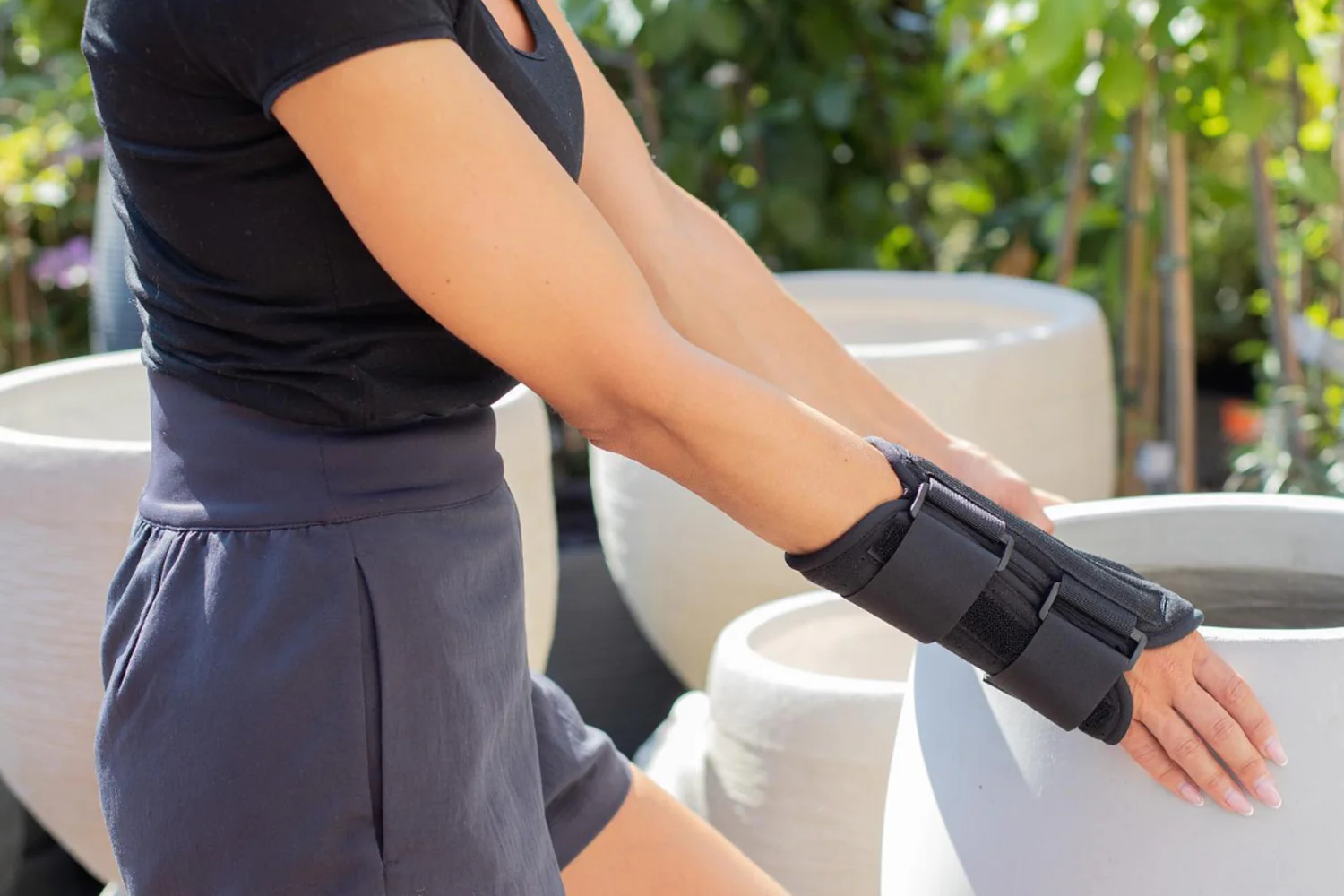
If you have wrist instability, repetitive strain injuries, are recovering from surgery, or have chronic pain, a wrist forearm brace is an important way to support yourself. The right wrist and forearm support brace can make a big difference in your comfort and recovery, whether you’re typing for a long time, lifting weights, or recovering from an injury.
A good wrist and forearm brace protects your body while letting you move safely. It can help with pain and keep your joints stable. The Leeford Ortho wrist and forearm brace is a good choice for recovery and daily support because it is reliable and comfortable for wearing the whole day.
In this blog, we’ll talk about important questions that involve full knowledge of durability and care, with key features, cleaning routines, and maintenance tips.
What is a brace for the wrist and forearm?
A wrist forearm brace supports both the lower forearm as well as the wrist joint. When compared to regular wrist wraps, it goes a little higher to give more targeted compression and stability.
People often use it as
- A forearm brace for wrist pain from overuse or strain.
- A wrist and forearm brace to help with healing from injuries like sprains, fractures, and tendonitis.
- A wrist support that keeps you from getting hurt while playing sports or doing the same thing over and over again.
It helps you heal faster and reduces inflammation by limiting harmful movements and encouraging proper alignment.
Important Parts of a Good Wrist Forearm Brace
1. Straps that can be adjusted for compression
Most modern braces have Velcro straps that let you adjust the amount of compression. Proper compression helps keep blood flow going while also reducing swelling.
2. Material that lets air through and is good for skin
A high-quality wrist and forearm support brace is made of breathable materials to keep sweat from building up and causing any irritation.
3. Splints that are stiff or hard to move
A lot of wrist and forearm braces for injuries come with splints to make them even more stable and immobile.
4. Design that is good for your body
A wrist and forearm brace that fits well will be comfortable to wear for a long time and won’t put too much pressure on certain areas.
5. Strong stitching and stretchiness
High-quality elastic fibers stay compressed even after being used many times.
Tips for cleaning and upkeep
Taking care of your brace properly keeps it clean and working well.
How often should you clean a wrist and forearm brace?
How often you clean it depends on how often you use it:
- Every 2–3 days for daily wear (8+ hours/day)
- Moderate use: once a week
- After a lot of sweating or working out: right away
Because a forearm brace for wrist pain goes directly on the skin, sweat and bacteria can build up. Washing your skin and clothes often keeps them from smelling bad and getting irritated.
The Right Way to Clean
To clean your wrist forearm brace safely:
- Wash your hands with a mild soap in lukewarm water.
- If your wrist forearm brace for injury comes with splints, take them off.
- Gently scrub without twisting or wringing.
- Rinse well.
- Lay it flat to dry and reshape it if it’s still damp.
Don’t use harsh chemicals, a washing machine, or a dryer.
Can the material of the brace be harmed by sunlight or heat?
Yes, too much heat can hurt your wrist forearm support brace.
Heat can:
- Tear apart elastic fibers
- Make Velcro straps less strong
- Warp splints
- Lower the strength of the compression
Don’t leave your wrist and forearm brace in direct sunlight, hot cars, or near heaters.
How to Keep Your Shape and Elasticity
Elasticity makes sure that the support is right. To keep it:
- Don’t make the straps too tight.
- Keep it in a cool, dry place.
- Before washing, make sure the Velcro is tight.
- Let it dry flat in the air.
- If you use them every day, switch between two braces.
These steps will help your forearm brace for wrist pain stay strong and keep its shape.
Signs of Damage
Your wrist support may start to wear out over time:
- Less compression
- Velcro that isn’t tight or strong
- Stitching that has come undone
- Shape that is not right
- More pain while using
It might be time to get a new wrist forearm brace if the one you have isn’t giving you enough support anymore.
When is it time to get a new brace?
If you have a wrist forearm support brace, you might want to think about getting a new one if:
- The elastic fibers are pulled apart.
- Straps no longer hold tight
- Odor that won’t go away
- You can see structural damage.
If you use a brace regularly, it should last between 3 and 6 months.
Conclusion
It’s very important to take good care of your wrist and forearm brace so that it can help you heal, manage pain, and avoid injuries. The effect of your wrist and forearm brace depends entirely on how well you clean and care for it, if you are using it for pain, injury or stability.
Most importantly, to keep your wrist support working well, wash it regularly. Also, for good care, keep it away from heat, check for signs of wear, and maintain its elasticity.
When comfort, durability, and a well-known orthopaedic design all combine, your easy movement is possible again. The Leeford Ortho wrist and forearm splint is more than just a support, it’s your everyday partner in staying safe, healing you from the core, and staying strong every day.
Leeford Ortho: Strong Support for Better Comebacks.
