

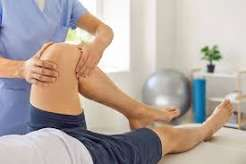
After a knee replacement, one number comes up at almost every physiotherapy session and follow-up visit: how far your knee bends. It’s measured in degrees, from 0 with the leg fully straight to around 135 or more in a healthy, flexible knee.
Two targets come up again and again. Around 90 degrees is the first big milestone, usually expected within the first few weeks. Around 110 to 120 degrees is what most people aim for by three months, and it covers nearly everything daily life asks of a knee. This article explains what each milestone means in practice, the usual timeline, the exercises that help, and what happens if progress stalls.
What 90° and 120° let you do
Knee bend targets aren’t arbitrary. They line up with the movements you need for ordinary life. The figures below are approximate, as they vary with height, technique and how high the furniture is.
| Activity | Approximate knee bend needed |
| Walking on level ground | About 65–70° |
| Climbing stairs | About 85–90° |
| Going down stairs | About 90–100° |
| Sitting down and getting up from a standard chair | About 90–105° |
| Getting in and out of a car or taxi | About 100–110° |
| Putting on socks and shoes, getting out of a bathtub | About 105–115° |
| Getting up from a low sofa, cycling comfortably | About 110–120° |
At 90 degrees, you can manage stairs and most chairs, which is why it’s the first goal. At 110 to 120 degrees, almost all daily activities feel comfortable. Deep squatting, sitting cross-legged on the floor or using a squat toilet need far more bend than most replaced knees achieve, so it’s worth discussing these with your orthopaedic surgeon before the operation if they matter to you.
Straightening matters just as much
Bending gets most of the attention, but getting the knee fully straight is equally important. A knee that stays bent by even 10 degrees makes you limp, tires the thigh muscles and puts extra strain on the hip and back.
After surgery, it’s tempting to rest with a pillow under the knee because it feels comfortable. Physiotherapists usually advise against this, as the knee can stiffen in a bent position. Instead, you’ll be encouraged to spend short periods each day with the heel propped on a rolled towel and the back of the knee unsupported, letting gravity ease it straight. Full or near-full straightening is usually the first goal in the early weeks, alongside building the bend.
A typical timeline
Every recovery is different, and your surgeon and physiotherapist will set targets for you. As a general guide, many people follow a pattern like this:
| Time after surgery | Typical bend | What’s happening |
| In hospital (first few days) | Around 60–80° | Walking with a frame, starting gentle bending and straightening exercises |
| Weeks 1–2 | Around 80–90° | Swelling at its peak; regular exercises at home several times a day |
| Weeks 3–6 | 90–105° | Moving to a walking stick, starting a stationary bike, managing stairs more easily |
| Weeks 6–12 | 105–120° | Strength building; most daily activities return |
| 3–12 months | Gradual small gains | Bend continues to improve slowly as scar tissue softens |
The first six weeks matter most. Scar tissue forms quickly after surgery, and it’s easiest to stretch while it’s still soft. Progress made early tends to last, while a knee that lags in the first six weeks can be harder to bend later.
Your final bend is also linked to how much the knee bent before surgery. Someone who had 100 degrees before the operation may settle at a different point from someone who had 130 degrees. Ask your surgeon what is realistic for your knee.
Exercises that build the bend
Your physiotherapist will tailor a programme to you. These are some of the exercises most commonly used, roughly in the order they’re introduced:
- Heel slides. Lying on your back, slide your heel towards your bottom, bending the knee as far as is comfortable, then slide it back. A towel looped around the foot can help pull it a little further.
- Seated knee bends. Sitting on a firm chair, slide the foot back under the chair as far as you can, hold for a few seconds, then relax. Edging your bottom forward on the seat increases the bend.
- Assisted bends with the other leg. Sitting with the operated foot on the floor, cross the good ankle over and use it to press the operated leg gently into more bend.
- Wall slides. Lying on your back with your feet against a wall, let the foot slide down the wall so gravity bends the knee.
- Stationary cycling. Start by rocking the pedals back and forth, then progress to full turns once the bend is around 100 to 110 degrees. Raising the seat makes it easier at first.
Little and often works better than one long, painful session. Most programmes ask for exercises several times a day, holding each stretch for a short time rather than forcing it. Some discomfort while stretching is expected, but sharp pain is a reason to stop and check with your physiotherapist.
Managing pain and swelling so you can bend
Pain and swelling are the two biggest obstacles to bending. A swollen knee simply has less room to move, and pain makes the thigh muscles tighten up.
- Time your pain relief. Taking prescribed painkillers about 30 to 60 minutes before exercise lets you get more out of each session. Follow the dosing your doctor gives you.
- Ice after exercise. A cold pack wrapped in a cloth for 15 to 20 minutes helps settle swelling. Some hospitals provide a cooling device to use at home.
- Elevate the leg. Raise the whole leg above heart level for periods during the day, keeping the knee straight rather than propped on a pillow.
- Keep moving between sessions. Short walks around the home and ankle pumps help fluid drain from the leg.
- Don’t overdo the walking early on. Long outings in the first weeks can make the knee swell and set back your bend for a day or two.
Some warmth and swelling is normal for several months after a knee replacement. Increasing redness, a fever, wound discharge or calf pain and swelling are different, and should be reported to your surgeon promptly.
When progress stalls
A small number of people develop excess stiffness after a knee replacement, sometimes called arthrofibrosis, where scar tissue limits movement more than expected. Signs to mention at your follow-up include:
- The knee isn’t reaching about 90 degrees for around six weeks.
- The bend was improving but has stopped or started going backwards.
- You can’t get the knee fully straight.
- Pain is getting worse rather than better as the weeks go on.
The first response is usually more intensive physiotherapy and a review of pain control. If the knee is still stiff, your surgeon may suggest a manipulation under anaesthesia. While you are asleep, the surgeon gently bends the knee to break up scar tissue, and intensive physiotherapy follows straight away to keep the gain. This works best when done within the first few months after surgery, which is another reason not to wait if you’re worried. For later or more severe stiffness, keyhole or open surgery to release scar tissue is occasionally needed.
Your surgeon will also check for less common causes of stiffness, such as infection or a problem with the position of the implant.
How your bend is measured
At clinic and physiotherapy visits, your knee bend is measured with a goniometer, a hinged ruler lined up with the thigh and shin bones. Measurements can vary by a few degrees depending on who takes them and how warmed up the knee is, so it’s the trend over weeks that matters most.
At home, a simple way to track progress is the seated chair test: sit on the same chair each time and mark how far back you can slide your foot. Some people also photograph the knee from the side at full bend once a week. Keeping a short diary of your exercises, pain levels and progress helps your physiotherapist adjust the programme and gives your surgeon a clear picture at follow-up.
Remember that the numbers are a guide, not a test you pass or fail. A knee that bends to 110 degrees, straightens fully and is comfortable will serve you well for everyday life.
This article is for general information and does not replace a medical assessment. Follow the exercise plan and targets set by your own surgeon and physiotherapist.
