

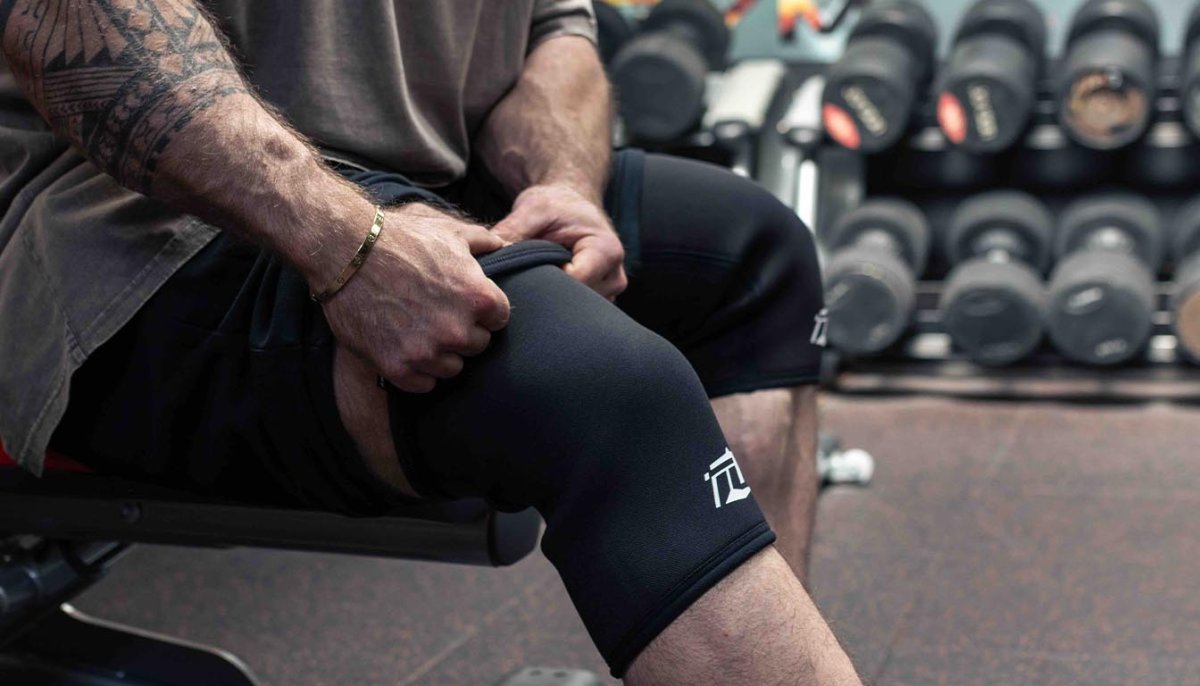
Powerlifting places considerable demands on the knees during squats, deadlifts, and heavy compound exercises. Proper equipment can support comfort and stability during demanding training sessions.
Among available accessories, knee sleeves powerlifting athletes use can provide compression, warmth, and a supportive feel around the knee. Choosing the right thickness, material, fit, and stiffness helps lifters match sleeves to their training style while maintaining movement and proper technique.
Understanding Knee Support for Powerlifting Training
Knee sleeves can complement structured strength training by providing compression, warmth, and stability while allowing natural movement.
1. Supporting Knee Stability During Squats
Squats place considerable demands on the knees as resistance increases. A properly fitted sleeve can provide compression and a secure feeling during movement. It should complement technique, mobility work, and suitable programming while allowing natural movement. Lifters should select sleeves that support without restricting mobility.
2. Providing Compression During Heavy Training
Compression is a key feature of knee sleeves. A snug sleeve provides consistent pressure around the knee and can retain warmth during training. Different thicknesses and stiffness levels create different sensations. Lifters should consider training style and intended use when selecting an appropriate sleeve.
3. Helping Maintain Warmth Around the Joint
Knee sleeves can help retain warmth around the joint during strength sessions, especially in cooler conditions. Neoprene designs are commonly used for this purpose. Warmth does not replace preparation. Lifters should continue using warm-ups, mobility work, recovery, and professional guidance when needed.
4. Supporting Confidence During Heavy Movements
A correctly fitted knee sleeve can provide a firm sensation around the joint, which some lifters may find useful. This can support focus on technique. However, sleeves should complement proper progression and should never encourage lifting beyond an athlete’s current ability.
5. Choosing the Appropriate Sleeve Thickness
Knee sleeves come in different thicknesses, with thinner designs offering flexibility and thicker options greater structure. For powerlifting, 7mm sleeves are commonly used for heavier lifting. Lifters should also consider competition rules because federation rules vary.
Selecting Knee Sleeves Powerlifting Athletes Can Use
Choosing suitable sleeves involves more than selecting the thickest available option. Consider fit, construction, compression, mobility, training frequency, and intended use.
When comparing knee sleeves powerlifting athletes may use, examine thickness, material, stitching, compression, and sizing. Neoprene is widely used because it combines structure with flexibility. Some designs include shapes or grips to keep sleeves positioned securely. Athletes should also consider whether they train recreationally, compete under federation rules, or mainly need them for heavy sessions. A practical selection should match your needs rather than prioritise maximum stiffness.
Building Better Training Support for Heavy Lifts
Knee sleeves can be part of a broader equipment setup built around comfort and controlled strength development.
1. Matching Sleeves With Training Intensity
Training intensity can influence the type of knee support an athlete prefers. Moderate sessions may suit flexible sleeves, while heavier squats may benefit from structured compression. Athletes should choose sleeves that complement their programme without restricting movement or replacing technique and recovery.
2. Considering Material and Construction
Material quality can influence sleeve durability, flexibility, and comfort. Neoprene commonly provides elasticity, compression, and structure, while reinforced stitching and shaped panels may improve durability. Construction details help athletes assess whether a sleeve suits their training frequency and support needs.
3. Maintaining Consistent Movement
Supportive equipment should allow natural movement throughout exercises. Overly restrictive sleeves may become uncomfortable during deep squats. Proper sizing and suitable thickness can balance compression with mobility, helping athletes maintain sound technique.
4. Considering Competition Requirements
Competitive powerlifters should review their federation’s current equipment rules before purchasing knee sleeves. Thickness, dimensions, materials, and approved equipment can vary. A sleeve suitable for general training may not meet competition standards, so athletes should verify rules before competing.
5. Combining Equipment With Proper Preparation
Knee sleeves should complement preparation rather than replace it. Warm-ups, appropriate loading, mobility work, recovery, and sound technique remain important. Athletes experiencing persistent pain, swelling, or instability should seek guidance from a qualified healthcare professional instead of relying solely on supportive equipment.
Essential Factors for Choosing Powerlifting Knee Sleeves
Selecting knee sleeves for powerlifting involves considering factors beyond compression. Fit, thickness, material, stiffness, durability, mobility, and intended use influence how well a sleeve suits a lifter.
1. Finding the Right Fit
A proper fit should provide secure compression without excessive discomfort or restricted movement. Sleeves that are too loose may shift during training, while overly tight designs can become uncomfortable. Accurate sizing is therefore important.
2. Selecting Suitable Thickness
Thickness affects the structure and flexibility a sleeve provides. Thinner sleeves may offer greater mobility, while thicker options can provide a more substantial supportive feel during heavy lifts. Lifters should select thickness according to training requirements and comfort.
3. Evaluating Material Quality
Material influences flexibility, compression, warmth, and durability. Neoprene is commonly used in powerlifting knee sleeves because it provides a combination of structure and stretch. Material specifications can help athletes choose sleeves suited to heavy training.
4. Considering Mobility and Comfort
A knee sleeve should support training without interfering with natural movement. Lifters should consider how it feels during squats and warm-ups. Comfort matters during longer sessions.
5. Checking Durability and Construction
Reinforced stitching, strong seams, shaped panels, and quality materials can influence how well sleeves withstand repeated use. Athletes who train frequently should consider construction quality alongside compression and fit for long-term use.
Conclusion: Choosing Reliable Support for Powerlifting
Knee sleeves can provide compression, warmth, and a supportive feel during strength training, when paired with proper technique, preparation, and programming. Suitable thickness and fit can make them practical training equipment. The sleeve should support training demands without replacing technique, preparation, recovery, or sensible progression.
For athletes looking for the best knee sleeves for powerlifting, PRO WOLF offers knee sleeves in different thicknesses and compression levels, including 5mm, 7mm, and 9mm options, as well as XTM POWR and XTM GOLD ranges. Its products provide different construction and support characteristics for varied lifting needs, including powerlifting and heavy-squat options.
