

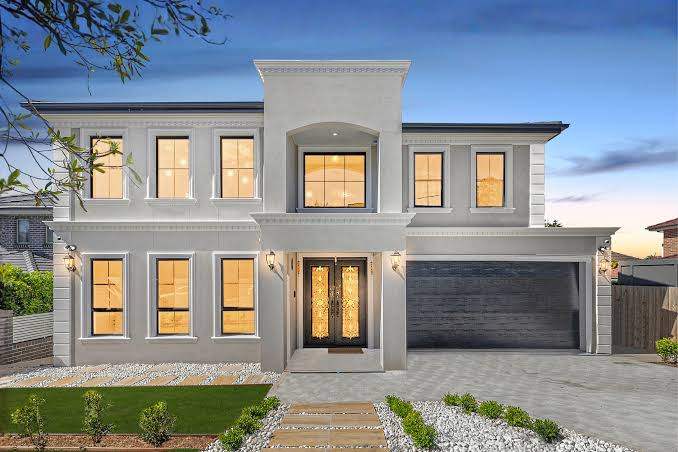
When you invest in a home, you are not just buying a structure with walls and a roof. You are creating a space where you will spend decades of your life, raise your family, celebrate milestones, and build memories. The difference between a house that merely functions and a forever home that truly resonates with your lifestyle often comes down to thoughtful design and professional guidance. Working with design experts during the planning and renovation phases can transform an ordinary property into a personalized sanctuary that adapts to your needs and reflects your vision for the future.
Understanding Your Long-Term Vision
Before any design work begins, you need clarity about what “forever” means for your household. A forever home is not simply about staying in one location for life; it is about creating an environment that evolves with you through different life stages while maintaining its core appeal and functionality. Professional designers help you articulate this vision by asking strategic questions about your daily routines, family dynamics, work-from-home needs, and how your household may change over the next 10, 20, or 30 years. They consider practical factors like aging-in-place accessibility, flexible room layouts that can shift purposes, and systems that remain current without requiring complete overhauls every few years. This forward-thinking approach means your design choices serve you well today and continue to add value tomorrow.
Creating Spaces That Adapt to Life Changes
One of the hallmarks of a well-designed forever home is its ability to transform as your needs shift. A young family with small children requires different spatial configurations than an older couple or a multi-generational household sharing the same roof. Professional designers incorporate flexibility into their plans by suggesting open-concept layouts that can be subdivided, rooms with multiple potential functions, and storage solutions that grow with you. For example, a dedicated nursery might transition into a home office, a hobby room, or a guest bedroom without requiring structural changes. Wider hallways and thoughtfully placed railings anticipate mobility considerations that may matter later, and accessibility features can be designed into the structure from the beginning rather than added as an afterthought.
Selecting Timeless Design Elements
Trends fade, but a well-executed forever home balances current style with enduring appeal. Professional designers understand the difference between trendy choices that will feel dated in five years and classic decisions that maintain their relevance. Neutral wall colors, quality materials, and balanced proportions create a foundation that transcends seasonal design shifts. This does not mean your home has to feel sterile or boring; strategic use of color, pattern, and personality comes through accessories, artwork, and textiles that you can easily update without tearing down walls or replacing major systems. Choosing quality fixtures, sustainable materials, and timeless finishes for permanent elements means you invest your budget where it matters most, while a professional designer helps you distinguish between investments worth making now and elements you can adjust affordably as your tastes evolve.
Maximizing Functionality and Flow
A forever home needs to work as hard as it looks good. Professional design expertise ensures that every square foot serves a purpose and that movement through your home feels natural and efficient. Kitchen layouts are designed around workflow patterns so cooking and entertaining flow seamlessly, while mudrooms, entryways, and storage zones prevent clutter from taking over living spaces. Bedroom placement considers noise levels, natural light, and privacy for different household members, and home offices incorporate proper lighting, ventilation, and acoustic considerations for focus and productivity. During comprehensive spatial planning, homeowners who want truly customized results rely on expert premiere architects to conduct thorough assessments of how they live and work, creating designs that eliminate common pain points before they become problems. This functional foundation allows you to actually enjoy your home rather than constantly battling its layout or wishing for better organization.
Investing in Quality and Sustainability
Building a forever home means making choices that last. Professional designers often recommend investing in quality construction, durable materials, and systems designed for longevity. This might mean higher upfront costs for solid hardwood cabinetry instead of particleboard, natural stone countertops instead of laminate, or quality roofing materials rated for 30-plus years, all of which pay dividends over decades of ownership. Sustainable design choices also support a forever home philosophy by reducing environmental impact and operating costs over time. Energy-efficient windows, insulation, HVAC systems, and appliances cost more initially but deliver savings month after month through lower utility bills. Professional guidance helps you prioritize where premium investments make sense and where standard-grade options suffice, maximizing both quality and financial wisdom.
Conclusion
A forever home requires more than emotional attachment to a location. It demands thoughtful planning, strategic design decisions, and professional expertise to create a space that truly serves your life today while remaining valuable and functional for decades to come. By working with design professionals who understand how to balance your current vision with future flexibility, you create environments that adapt as you do. The investment in quality design, timeless aesthetics, and functional excellence pays dividends every single day you live in your home. Whether through adaptive layouts, durable materials, or spaces that evolve with your needs, professional design expertise transforms a house into a genuine forever home where your story unfolds for years to come.
