

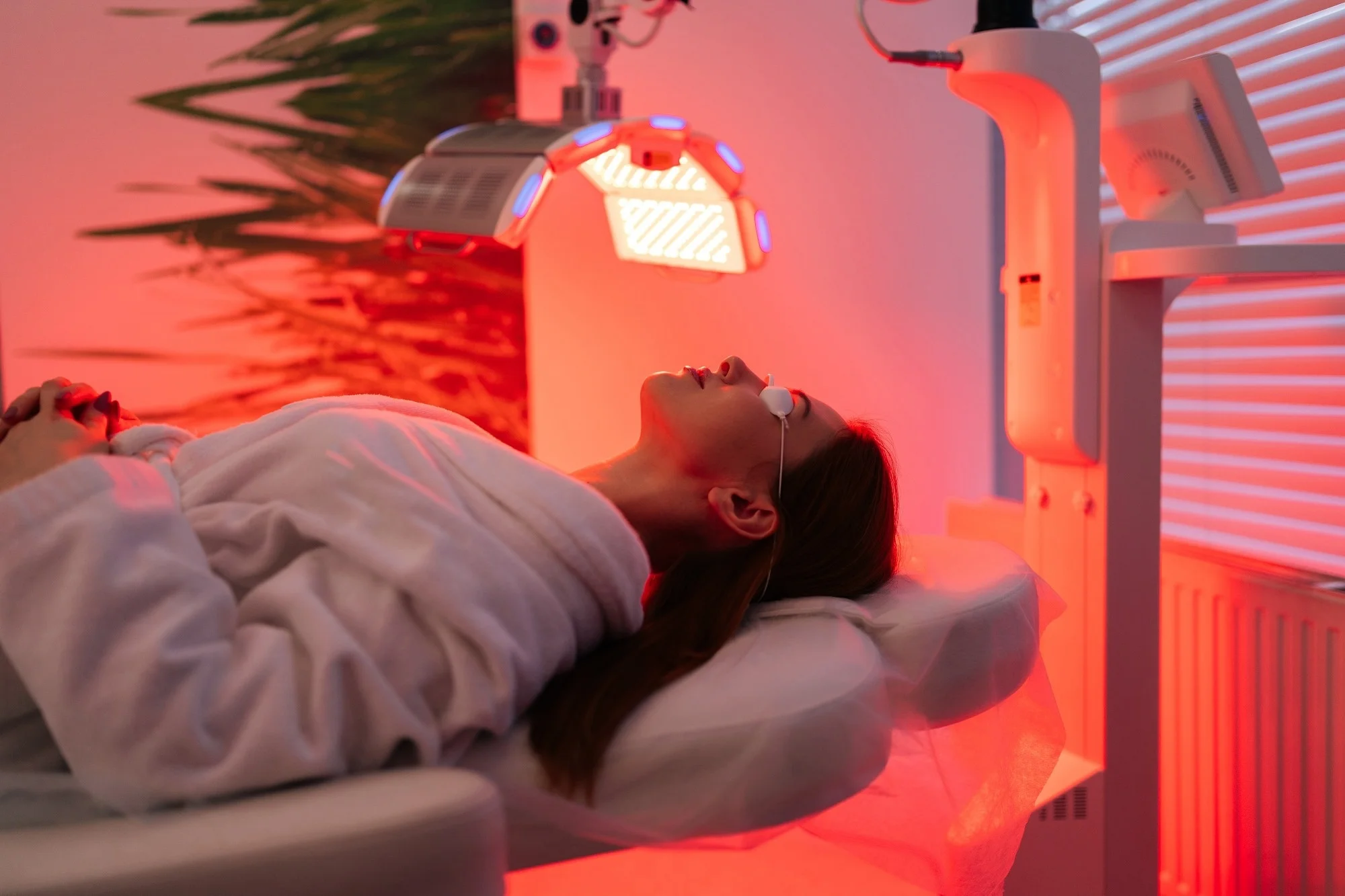
Bringing a large therapy panel into your home changes the room and, if you play it right, changes parts of your morning routine as well. The problem for most new owners is not the device itself. It is the empty space between unboxing day and the eventual habit. Without a clear plan for how the first month unfolds, sessions get skipped, the panel becomes an expensive coat rack, and doubt creeps in about whether the whole concept was worth it.
This guide is written for the person who just bought — or is about to buy — a full-body setup and wants a concrete plan for turning it into a habit that sticks. Not clinical theory, not marketing hype, but the practical rhythm that carries someone from day one through the point where results become obvious. Once the routine is real, the panel starts earning its space, and the whole project stops feeling like an experiment.
Starting Your Full Body Sessions From Day One
The first week is about calibration, not intensity. Set the panel up in a spot where you can stand or sit comfortably at the recommended distance without needing to move furniture around. If the location makes the session feel like a chore, the routine will collapse. A quiet corner of a bedroom, home office, or hallway alcove tends to work better than a shared living area where interruptions are constant.
Session length in this first stretch should stay modest. Ten to twelve minutes is plenty to introduce the body to the exposure without triggering fatigue or skin dryness. Trying to run red light therapy full body at the maximum recommended duration on day one is the equivalent of running a marathon after a month of couch time. It might feel productive in the moment, but it discourages the very consistency you need to build.
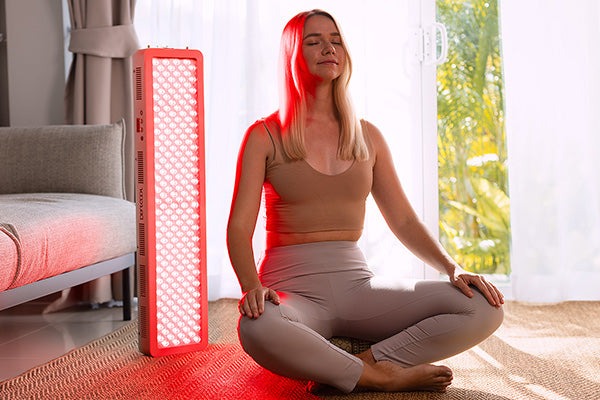
During those first sessions, pay attention to two things. First, note how your body feels afterward — warm, alert, tired, unchanged — without judging it. Second, note what worked practically. Did you have somewhere comfortable to look? Were you tempted to skip? Did the timer feel long or short? Those observations shape everything about how you set up week two.
Building a Schedule Your Body Actually Keeps
The habit forms or fails based on where the session sits in your day. Random timing produces random consistency. Anchoring the session to something you already do reliably — brewing coffee, checking overnight emails, listening to a specific podcast — dramatically raises the chance you show up tomorrow. The anchor does not care whether you feel motivated. It just triggers the sequence.
Frequency in the first month should aim for four or five sessions a week rather than seven. Building in planned off days protects you from the all-or-nothing trap. When a missed day feels like failure, one skip cascades into three, and the routine dies. When two off days are already built into the plan, one unplanned skip just becomes a rest day and you continue tomorrow. Ironically, giving yourself permission to skip makes the habit more durable.
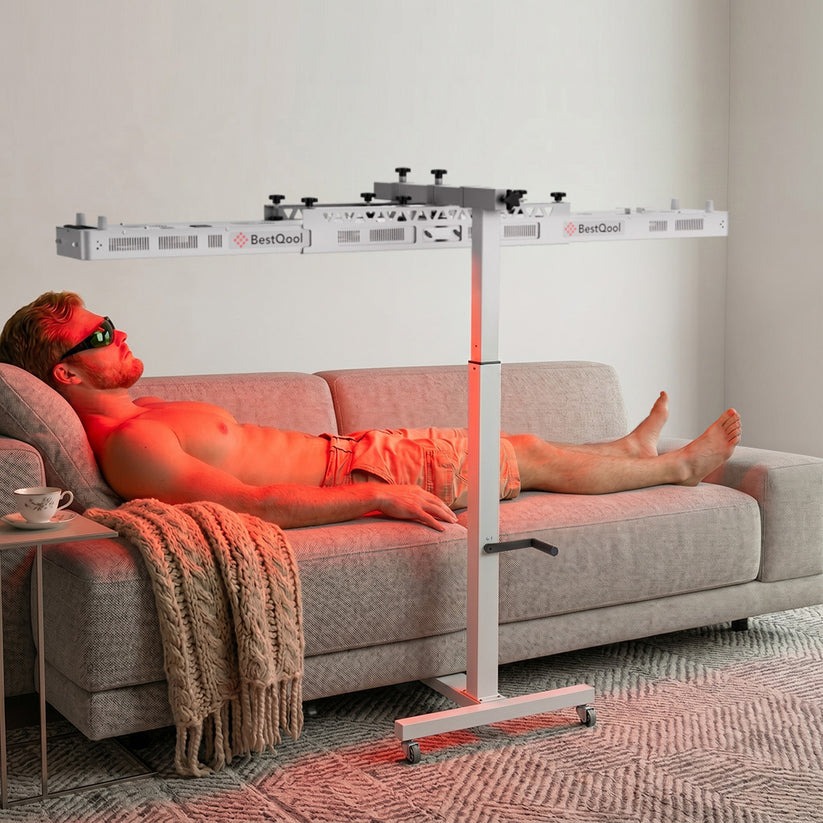
Session length should climb gradually. If ten minutes felt fine in week one, work up to fifteen in week two and eventually to whatever length the device documentation recommends. Rushing the ramp does not accelerate results. It just increases the chance you overdo a session and take a full week off recovering. Slow builds win.
Setup and Positioning Without Guesswork
Distance is the single biggest technical variable within your control. Every panel has a sweet spot where irradiance is high enough to matter but not so intense that skin tightness or overexposure becomes an issue. BestQool and other reputable makers publish distance guidance for a reason. Use it as your starting point and resist the urge to sit closer thinking more is better.
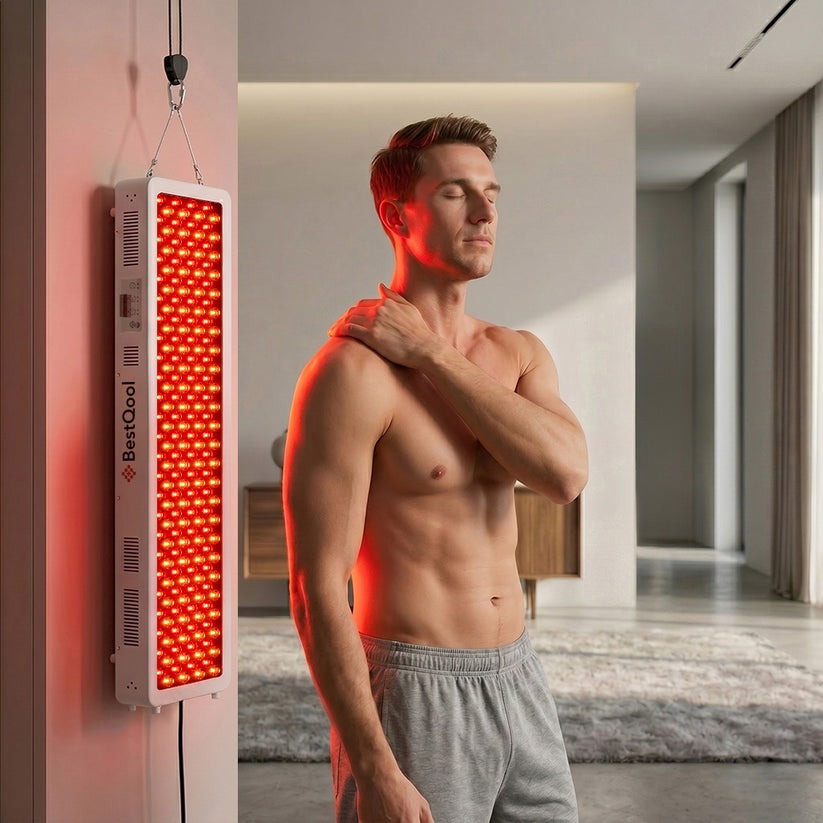
Positioning your body matters too. If you are targeting overall systemic benefits, standing centered on the panel with your entire torso within the light spread makes sense. If your priority is a specific area — say a shoulder that gets sore after training or hip flexors that tighten from long sits — you can turn or reposition mid-session to give that area a longer share of the exposure without stepping away.
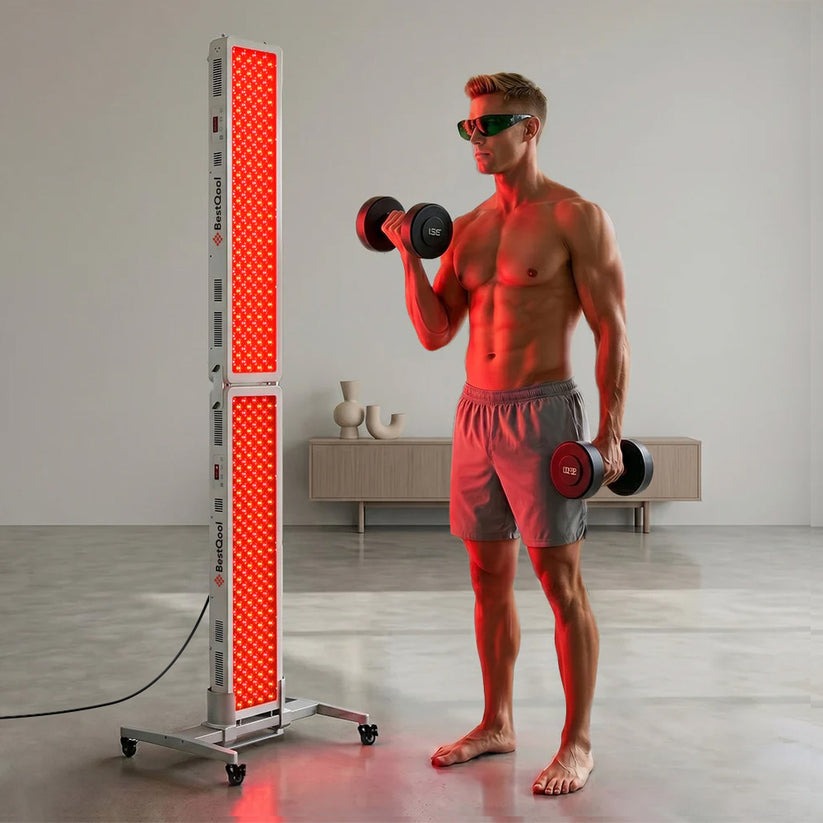
Skin contact matters. Loose clothing blocks a meaningful portion of the light. For most people, sessions work best in undergarments or with the target area exposed. Protective eyewear is worth wearing during any session, especially with strong panels, because looking directly at the LEDs for extended periods is uncomfortable and unnecessary. Once your setup accounts for these small details, the technical work is largely done.
Tracking Progress Without Turning It Into a Job
Detailed logs sound useful and quickly become tedious. The better approach is a lightweight weekly check-in. Once a week, take three minutes to jot down how specific things feel — sleep quality, morning stiffness, recovery after your usual workouts, skin appearance, energy in the afternoon slump. Keep the note short. What you are looking for is a trend across four to eight weeks, not a spike after any single session.
Photos help for goals with a visible component. Take them under consistent lighting at consistent angles, roughly every two weeks. Day-to-day changes are invisible even when real progress is happening, but a sequence of photos taken a month apart often reveals shifts the mirror hides. This is especially useful for skin-related goals, where the changes accumulate quietly.
Resist the impulse to change too many variables at once. If you also start a new workout, adjust your sleep schedule, and try a new supplement in the same week you begin the panel routine, you will have no way of knowing what caused what. Hold the other variables roughly stable during the first six to eight weeks so the picture stays readable.
Finally, plan the review. Put a note on your calendar eight weeks out. On that day, look back at your check-ins, compare against how you felt in week one, and decide honestly whether the routine has earned another eight weeks. Doing this deliberately, rather than drifting into doubt, protects you from quitting too early and also protects you from grinding on a routine that clearly is not helping. Either outcome is valuable information, and both beat vague dissatisfaction.
Common First-Month Mistakes Worth Avoiding
The most common early error is overloading. Someone excited by a new panel decides to run daily forty-minute sessions from week one, feels drained by day four, and quits by day nine. The device did not fail. The onboarding did. Give yourself a proper ramp and treat the first two weeks as calibration rather than performance.
Another frequent misstep is running the panel too close in an attempt to speed up results. Closer is not always better. Irradiance can climb into a range that produces discomfort and does not translate to faster benefits. Trust the distance guidance until you have earned enough experience to experiment thoughtfully. Even then, small adjustments in the range of an inch or two are more informative than dramatic ones.
Misplaced expectations rank third. Some new owners expect a panel to solve issues that require different interventions entirely. Chronic pain from a structural problem needs medical evaluation, not just light exposure. Persistent fatigue may have causes that a device cannot touch. Treating the panel as one supportive element in a broader plan produces better outcomes than treating it as a solo cure. Users who pair the routine with sensible sleep, movement, and nutrition consistently report more meaningful changes than those who expect the light to do the whole job alone.
Skipping the fundamentals of eye protection is a smaller but persistent problem. High-output panels are bright, and staring directly into them for extended sessions produces headaches and eye strain. Simple protective goggles solve this. Use them from day one rather than deciding they are optional. Small friction now beats developing a habit you have to correct later.
Finally, do not underestimate the value of a settled physical space. A panel that lives in the same corner every session, with the same distance markers and the same viewing angle, produces a level of consistency that random placements never match. The routine becomes the space, and stepping into the space becomes the routine.
Turning Sessions Into a Lasting Habit
The device does its part when you do yours. That means starting slow, anchoring the session to something you already do, ramping length in careful increments, and reviewing progress on a schedule instead of by feel. Trust the calibration of the first two weeks. Trust the boredom of the middle weeks — that is where habits harden. Trust the review at eight weeks to give you a real answer. If you have built the routine with any care, that review usually confirms what your body already knows: sleep is a little deeper, mornings are a little easier, and the panel has quietly become a fixture rather than a project. That is the whole point of building the habit from scratch.
