

If you run a small business, chances are you’ve experienced that sinking feeling when a client asks for a document and you’re left rifling through stacks of paper on your desk, in a drawer, or worse—somewhere in a cardboard box shoved under a table. Paper clutter isn’t just an eyesore; it’s a productivity killer that erodes professionalism and wastes precious hours every week. So ask yourself: is your current system actually working, or are you just managing chaos?
Enter the two-drawer filing cabinet—a deceptively simple piece of office furniture that bridges the gap between oversized four-drawer behemoths and flimsy temporary solutions that never quite deliver. This article explores how this compact workhorse can genuinely transform the way you store, organize, and access your most important documents. From delivering substantial storage capacity and rock-solid security to offering the mobility a dynamic small workspace demands, the two-drawer cabinet might just be the strategic upgrade you didn’t know you needed.
Beyond the Basics: Understanding the Modern Two-Drawer Filing Cabinet
Today’s two-drawer filing cabinet has evolved far beyond the drab, rattling metal boxes that once lined government offices. A contemporary model typically measures around 15 inches wide, 20 to 25 inches deep, and roughly 28 inches tall—compact enough to slide beneath most desks or tuck into a corner, yet spacious enough to accommodate both letter and legal-size hanging folders across two full drawers. That translates to roughly 100 to 150 pounds of document storage, or several hundred organized files, depending on thickness.
What truly separates modern cabinets from their predecessors is the engineering under the surface. Ball-bearing drawer slides allow smooth, full-extension gliding so you can access files at the very back without wrestling the drawer open. Locking mechanisms—ranging from simple keyed cylinder locks to more advanced cam-lock systems—keep sensitive contracts, tax records, and employee files secure from unauthorized access. Construction materials now include heavy-gauge steel and reinforced composite panels that resist denting and warping over years of daily use.
Aesthetically, these cabinets have caught up with modern office design. You’ll find finishes spanning matte black and charcoal to wood-grain laminates and even clean white powder coats that blend seamlessly with contemporary furniture. This matters more than it might seem—clients notice a polished workspace. Think of the two-drawer cabinet not as mere storage, but as the physical foundation upon which every organizational strategy discussed in this article is built.
The Storage Showdown: Cabinet vs. File Cart vs. Digital-Only
Before committing to any organizational solution, it’s worth understanding how the two-drawer filing cabinet stacks up against the alternatives most small business owners gravitate toward. Each approach has its place, but only one consistently delivers the balance of capacity, security, and flexibility that a growing business demands.
The Pitfalls of the “File Cart Only” Approach
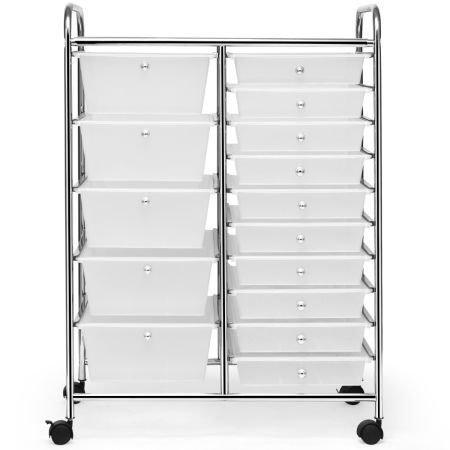
Mobile file carts seem appealing at first glance—they’re lightweight, inexpensive, and easy to wheel from room to room. But relying on one as your primary document storage system quickly reveals serious shortcomings. Most carts hold only a single row of hanging files, which means you’ll max out capacity within a few months of active business operations.
They offer virtually no security; anyone can flip through your client contracts or financial statements. And because they’re designed to be light, they become top-heavy and unstable once loaded with more than a few dozen folders. A file cart works beautifully as a satellite system for active project files you need at arm’s reach, but it was never engineered to serve as your document management backbone.
Why Going Fully Digital Isn’t Always the Answer (Yet)
The paperless office remains more aspiration than reality for most small businesses. Original signed contracts, notarized documents, tax records with wet signatures, compliance paperwork, and insurance certificates often must be retained in physical form for legal or regulatory reasons.
Even businesses that scan aggressively still need a secure home for these originals. Beyond legal requirements, the time investment of digitizing years of accumulated paperwork—scanning, naming, tagging, and backing up every page—can be staggering for a team of one or two. The smarter approach is a hybrid workflow where digital handles daily access and searchability while a physical cabinet archives what the law and common sense require you to keep in hard copy.
The Goldilocks Solution: Secure, Ample, and Adaptable
When you weigh all three options side by side, the filing cabinet with 2 drawers occupies a uniquely practical middle ground. It delivers large storage space sufficient for hundreds of organized files without consuming half your office floor. Its built-in lock protects sensitive documents in a way no open cart or shared cloud folder can replicate physically.
And when equipped with quality casters, it offers easy mobility that a four-drawer monolith simply cannot match—roll it into a conference room for a client meeting, tuck it under a desk during the day, or reposition it entirely when your workspace evolves. It’s not too big, not too flimsy, and not too rigid. It’s exactly right.
Solving the Small Business Owner’s Core Needs
Understanding what a two-drawer filing cabinet can do is one thing—putting it to work against the specific frustrations that keep small business owners up at night is another. Let’s break down how this single piece of furniture directly addresses the two challenges that surface repeatedly: storing a growing volume of documents in an organized, accessible way, and maintaining the flexibility to adapt your workspace on the fly.
Need #1: Achieving Large Storage Space and Superior File Organization
Two drawers might sound modest until you consider what they actually hold when used intentionally. A single full-extension drawer accommodates roughly 50 to 75 hanging folders, which means your cabinet can house well over 100 categorized files—enough for client records, financial documents, vendor agreements, and compliance paperwork all in one place. The key isn’t just stuffing paper inside; it’s building a system that lets you retrieve any document in under 30 seconds. That speed is what transforms a cabinet from passive storage into an active productivity tool.
Your Step-by-Step Guide to a Perfectly Organized Cabinet
Start by purging what you no longer need—expired contracts, outdated marketing materials, duplicates, and anything past its legal retention period. This single step often eliminates 20 to 30 percent of accumulated paper before you file a single sheet. Next, choose a filing system that matches how you actually think about your work. Alphabetical by client name works for service businesses; categorical groupings like “Finance,” “Legal,” “Operations,” and “HR” suit businesses with diverse document types; chronological sorting is ideal for project-based firms tracking deliverables by date.
Once you’ve settled on a structure, invest in quality hanging folders with reinforced tabs and use a label maker rather than handwriting—legibility matters when you’re scanning quickly. Assign each drawer a clear purpose: the top drawer might hold active client files and current-year financials, while the bottom drawer archives completed projects and compliance records. Finally, build a weekly 10-minute filing habit. Documents that sit in an inbox pile for more than a few days tend to become permanent clutter. Consistency is what keeps the system alive.
Need #2: The Power of Easy Mobility in a Dynamic Workspace
Small businesses rarely have the luxury of dedicated, permanent office layouts. A spare bedroom doubles as a meeting space, a coworking desk changes monthly, or a growing team forces furniture rearrangements every quarter. This is where easy mobility becomes a genuine operational advantage rather than a nice-to-have feature.
A two-drawer cabinet equipped with quality casters rolls smoothly across hardwood, tile, or low-pile carpet, letting you reposition your entire filing system in seconds without lifting anything. Look for locking casters specifically—they let you immobilize the cabinet during normal use so drawers don’t drift open or the unit doesn’t roll when you pull a file, then unlock instantly when you need to relocate.
This dual functionality means you get the stability of a stationary cabinet and the adaptability of a mobile one without compromise. Need your records beside you during tax prep? Roll it over. Client visiting and you want a cleaner look? Tuck it beneath a credenza. Sharing an office and switching desks? Your files travel with you effortlessly. That kind of flexibility keeps your documents accessible regardless of how your physical space evolves.
Maximizing Your Investment: Tips for Selection and Long-Term Use
Choosing the right two-drawer filing cabinet and maintaining it properly ensures you get years of reliable service rather than a frustrating purchase you replace within months. A few informed decisions upfront—and some simple ongoing habits—make all the difference between a cabinet that works hard for your business and one that becomes just another piece of neglected furniture.
What to Look for When Buying Your Cabinet
Before you shop, measure your intended space carefully—not just the footprint, but the clearance needed for drawers to extend fully without hitting a wall or adjacent furniture. Prioritize full-extension drawer slides over standard three-quarter slides, because accessing files crammed at the back of a partially opening drawer defeats the purpose of organized storage.
Check the weight capacity per drawer; a quality cabinet should handle at least 50 pounds per drawer without straining the suspension. Material gauge matters for longevity—thicker steel resists dents and maintains structural integrity under load. If mobility is central to your workflow, evaluate the casters themselves: look for dual-wheel designs that distribute weight evenly and locking mechanisms that engage firmly without requiring excessive force. Finally, assess the lock type.
A standard cylinder lock works for basic deterrence, while a cam-lock system offers more robust resistance to tampering. Match the security level to the sensitivity of what you’re storing. Retailers like Costway-AU offer a range of two-drawer filing cabinets with these features at accessible price points, making it easier to find a model that fits both your workspace and budget.
Advanced Organization: Color-Coding and Hybrid Systems
Once your cabinet is in place, elevate your filing system beyond basic labels with color-coded folders. Assign a distinct color to each major category—blue for financial records, green for client files, red for legal documents, yellow for operations. This visual shorthand lets you locate the right section at a glance without reading every tab, shaving seconds off each retrieval that compound into meaningful time savings over weeks and months.
For businesses with high daily document turnover, consider pairing your cabinet with a small file cart that holds only your current week’s active projects. The cart sits beside your desk for immediate access while the cabinet serves as the secure, organized archive. When a project wraps, its folder migrates from the cart to the cabinet’s designated section. This two-tier hybrid system prevents your cabinet from becoming cluttered with in-progress work while ensuring nothing falls through the cracks.
Maintenance and Security Best Practices
A well-maintained cabinet operates smoothly for a decade or more. Avoid overloading drawers beyond their rated capacity—overstuffed drawers strain slides, bend rails, and make retrieval frustrating. Once a year, apply a light silicone-based lubricant to the drawer slides to keep them gliding effortlessly. Conduct a quarterly content audit where you pull expired documents, shred what’s no longer needed, and verify that your filing structure still reflects your current business activities.
Categories that made sense a year ago may need splitting or merging as your operations evolve. On the security front, make locking the cabinet a non-negotiable end-of-day habit, especially if you share office space or have clients visiting. Keep a spare key in a separate secure location rather than taped to the cabinet itself—an obvious point, yet commonly overlooked. These small disciplines protect both your documents and the system you’ve invested time building.
From Paper Chaos to Organized Productivity: Your Next Step
The question posed at the start of this article has a clear answer: yes, a two-drawer filing cabinet can genuinely transform your document management—but only if you treat it as a strategic tool rather than a passive container.
For small business owners drowning in paper clutter, this compact cabinet delivers the large storage space needed to house hundreds of organized files across every business category, from client records to compliance archives. Its built-in locking mechanism provides physical security that no open shelf or shared digital folder can match for sensitive originals.
And when fitted with quality locking casters, it offers easy mobility that lets your entire filing system adapt as quickly as your workspace demands change.
Consider the contrast: on one side, the frantic desk-diving and lost-document anxiety that chips away at your credibility and steals hours from revenue-generating work. On the other, a streamlined system where every document has a home, retrieval takes seconds, and your office projects the professionalism your business deserves.
The difference between those two realities isn’t a massive technology overhaul or an expensive office renovation—it’s a single, well-chosen piece of furniture paired with intentional habits. View your two-drawer filing cabinet not as an expense, but as an investment in the operational clarity that lets you focus on what actually grows your business.
