

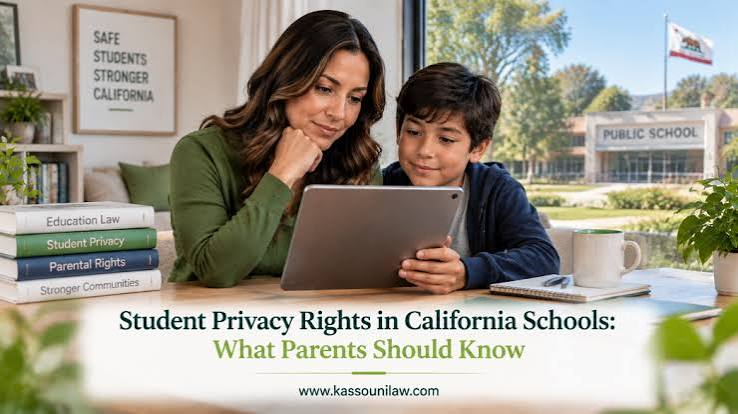
Parents trust schools to teach their kids, keep the school safe, and help students who are having personal problems in the right way. But when schools start making secret decisions about a child’s identification, mental state, or personal situations behind the family’s back, it becomes problematic. As Aurora Regino battles in court over the fine line between family engagement and school standards, these issues are even more troubling now.
Navigating The Limit Of School Authority
Public schools have a lot of authority to perform instructional functions, set student standards, and ensure kids are safe throughout the school day. Teachers and administrators decide how to improve a classroom, how to penalize children, and what support resources are available to pupils without consulting parents.
However, making overly personal decisions might result in legal and moral issues. For instance, a student may have special needs due to his/her gender identity, mental health, religious views, or fragile familial conditions at school.
With this, the issue is not whether a school is only catering to a particular educational demand of a kid but if they are making decisions that embrace the temporary nature of the family to help raise the child. This distinction is a significant consideration within the boundaries of the institution’s power.
Why Parental Consent Matters In Sensitive Situations
Parents typically have a legal responsibility in terms of parenting, teaching, medicating, and emotionally growing their kid. Including them may provide school administrators with a great perspective that can help them completely comprehend these things.
As in the Aurora Regino case, discrepancies in understanding regarding school regulations on privacy might escalate to constitutional difficulties. Regino challenged a California school district policy of not informing parents about a pupil relating to gender identification. She contended that the policy infringed her parental rights.
Having a parent involved may help families get competent treatment, get to the bottom of the problem, and open up lines of communication between home and school. However, parental rights are not unlimited, and schools must also balance parental rights against students’ rights to safety and privacy and against other obligations of law.
Student Privacy Creates A Complicated Legal Balance
Students, regardless of their age, deserve their privacy. Schools get sensitive information about bullying, family difficulties, mental health, and personal identities. If these youngsters had to tell their parents about all of this all of the time, it’s likely some of them wouldn’t even seek treatment.
For example, a kid experiencing issues at home could feel more comfortable to speak with a teacher they trust first, before seeking help from their parents. School personnel shouldn’t automatically believe that sharing instantly is always the correct thing to do when they react.
In contrast, secrecy may be an issue if parents feel shut out of decisions about their child’s development.
The challenge is to know when secrecy is vital to protecting a child and to know when secrecy is not needed to prevent meaningful parental involvement.
Avoiding School Family And Staff Disputes
Knowing what should happen to students’ private information can assist schools avoid fighting with their school districts. Policies should outline what staff should do when they are directly communicating with parents and about confidentiality and when to involve another expert.
Training matters just as much. Trainers should know when to seek advice from psychologists, managers, or other safety personnel rather than making choices that are not in their job description.
Schools may also provide families an opportunity to learn about the norms of the institution before difficulties arise. Good communication may describe to both parents and teachers how choices are reached and help explain to instructors their responsibility for keeping kids safe.
suitable policies should elaborate on the distinction between supporting someone daily with choices legally required by parental consent and provide a suitable jumping-off point.
Conclusion
Schools may make significant choices without parental consent subject to the circumstances, guidelines, and determination. There is an important role for schools in protecting their pupils, but parents have great interests in determining how their children are reared.
Ideally, student privacy and parental involvement aren’t in conflict. Proper legal interpretation and good communication may help schools to honor the valuable contributions of families in student lives and to protect those who are more vulnerable.
