

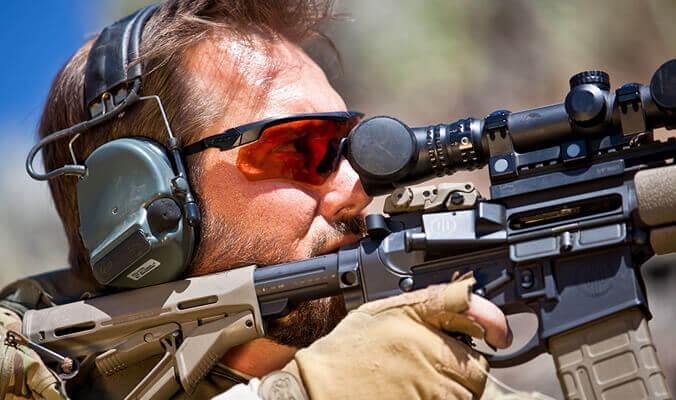
Workplace eye injuries can happen in seconds and may result in serious or permanent vision damage. Beyond the personal cost, workplace eye incidents hit companies hard. Medical bills, lost time, and potential safety fines add up quickly.
Standard protective glasses often fall short for workers who need vision correction. When forced to wear clunky over-the-glasses goggles, employees frequently take them off. That creates a huge safety risk. Implementing a dedicated prescription safety eyewear program solves this problem directly.
It maintains your facility’s compliance while protecting your employees. Employees are more inclined to wear eyewear consistently during the shift when they can see well and are wearing comfortable protection.
How to Choose the Right Safety Eyewear Program
The right program starts with a clear understanding of your workplace. Selecting a catalog and hoping for the best is not enough. Every jobsite has different working circumstances, hazard levels, and physical needs.
A good program balances administrative simplicity, employee comfort, and safety regulations. Cost is important, but sufficient protection shouldn’t be sacrificed for it. You may create a long-lasting safety eyewear program by concentrating on these issues.
Start With Your Workplace’s Specific Eye Hazards
Before looking at frame styles, you must understand your workplace environment clearly. Walk the floor, talk to safety leads, and note every potential risk carefully.
Identify Common Risks:
Common workplace eye hazards include:
- Flying dust, chips, or metal particles
- Chemical splashes and hazardous liquids
- Sparks and other airborne debris
- Excessive ultraviolet or infrared exposure
- Bright light produced by certain industrial processes
- Impact risks from tools, machinery, or equipment
Match Protection to the Job: Select sealed dust gaskets for grinding zones and high-impact polycarbonate lenses for machine shops.
Different departments may require different levels or types of eye protection. Welders need specific dark shade filters, while outdoor maintenance crews need UV block. Tailoring frame choices to real hazards keeps protection high and stops workers from taking off their gear.
Check Safety and Compliance Requirements
Legal compliance forms the foundation of any corporate safety program. Look for official ANSI Z87.1 stamps directly on frames and lenses. This standard proves the glasses passed harsh high-impact, high-mass, and durability tests.
In the United States, employers should review applicable OSHA requirements and ensure that protective eyewear meets the relevant consensus standards, such as ANSI/ISEA Z87.1, when applicable.
During inspections, failing to provide certified eyeglasses results in harsh regulatory fines. By collaborating with a compliant prescription safety eyewear program, you can ensure that your business maintains complete legal protection while maintaining worker vision.
Evaluate Prescription Options and Lens Quality
Clear vision directly impacts work quality and employee safety. Poor optical lenses cause eye strain, fatigue, and severe daily headaches.
Consider Employees’ Vision Needs
Depending on the workforce, employees may need:
- Single-vision lenses
- Bifocal lenses
- Progressive lenses
- Different lens powers for specific visual tasks
- Specialized options recommended by an eye-care professional
Prescription accuracy matters. Even well-designed safety glasses will not be useful if employees cannot see comfortably through them.
Frame selection also deserves attention. Different face shapes and prescription requirements may call for different frame sizes or designs. Offering a variety of appropriate options helps facilitate the fitting procedure.
Look Beyond the Prescription: Add required protective lens coatings such as anti-scratch, anti-fog, and anti-reflective treatments to increase longevity.
| Lens Material | Key Safety Benefit | Ideal Workplace Setting |
| Polycarbonate | Extreme impact resistance | Construction, assembly lines, machining |
| Trivex | Crisp optical clarity & lightweight | Chemical handling, inspection, lab work |
| High-Index | Thin design for heavy prescriptions | High-correction needs in active jobs |
Compare Program Convenience and Accessibility
A safety program fails if it feels difficult to manage. Look for a provider offering a simple, digital ordering system. Employees should easily order online using live virtual try-on tools or visit local participating opticians.
Managing eligibility, spending limits, and employee rosters should take minutes, not hours. Automated digital tracking prevents order errors and cuts down administrative burdens significantly. Streamlining the ordering process ensures your workforce gets their protective glasses quickly without unnecessary delays or endless paperwork.
A strong program may include services such as:
- Convenient ordering procedures
- Prescription verification
- Fitting assistance
- Multiple frame choices
- Replacement support
- Clear information about costs
- Easy access to program representatives
For larger organizations, administrative convenience can make a major difference. A straightforward system reduces the amount of time HR and safety teams spend managing individual eyewear requests.
Assess the Provider’s Support and Service
The provider is an important part of the program. Product quality matters, but so does what happens after the initial order.
Ask how the company handles damaged glasses, prescription changes, fitting concerns, returns, and employee questions. Find out whether a dedicated contact supports workplace accounts.
Requesting samples before committing to a large program can also be helpful. Under typical working conditions, employees can test the comfort, fit, and visibility.
Think about whether the provider can supply employees with consistent support across all of your company’s departments or locations. When hundreds of people are involved, a program that works for 20 employees could need different approaches.
Good customer service should make problems easier to solve, not create another administrative task.
Simple Selection Checklist
Use this quick evaluation list when comparing safety vision providers:
- Confirms permanent ANSI Z87.1 stamps on all frames and lenses.
- Offers a variety of prescription options, such as progressive, bifocal, and single-vision lenses, plus appropriate lens coatings.
- Features an easy dashboard for roster management and order tracking.
- Provides virtual try-on tools or widespread local clinic networks.
- Delivers clear, upfront package costs with no hidden fees.
- Backs products with comprehensive scratch and frame replacement guarantees.
Conclusion
The most effective safety program is one that employees follow during each shift. Instead of protecting eyes, bulky, unpleasant safety glasses wind up resting on workbench tables. You may create a safer workplace by emphasizing proven impact defense, appropriate prescription selections, and simple online purchase.
A carefully planned prescription safety eyewear program reduces business administrative burden while shielding your staff from potentially fatal injuries. Keep employee comfort first, make sure you’re following the law, and make an investment in high-quality eye protection right now. The best choice your business will make this year is to protect the eyes of its employees.
