

Every couple dreams of a wedding that leaves guests breathless—a celebration where unforgettable moments are woven into every detail. From the grand entrance to the final send-off, entertainment choices shape the emotional landscape of the entire event.
One of the most striking decisions wedding planners face today is how to incorporate dramatic spark and fire effects: should you rely on traditional pyrotechnics with their time-tested spectacle, or embrace the innovation of cold spark firework machines that promise dazzle without the danger?
This comparison matters more than ever as modern weddings move indoors, prioritize guest safety, and embrace sustainability. In this article, we’ll break down the key differences between cold spark machines and traditional pyrotechnics across the dimensions that matter most—safety protocols, environmental impact, visual appeal, and practical logistics.
Whether you’re a wedding planner coordinating a ballroom celebration or a couple envisioning a fairy-tale evening, this guide will equip you with the knowledge to choose the right spark effect for your special day.
Understanding Cold Spark Machines and Traditional Pyrotechnics
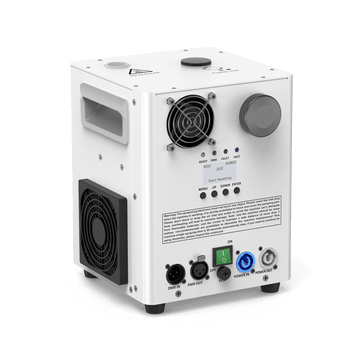
A cold spark firework machine works by heating small titanium alloy granules to produce bright, fountain-like sparks that remain cool to the touch—typically reaching only 60-80°C compared to the 600-1000°C temperatures of conventional sparks. These machines use electronically controlled mechanisms that allow operators to adjust spark height, duration, and timing with precision.
Traditional pyrotechnics, on the other hand, rely on combustible chemical compounds ignited by fuses or electronic triggers. Common wedding pyrotechnics include gerbs (fountain effects), Roman candles, and sparkler walls—all producing genuine fire-based reactions that generate significant heat and smoke.
The fundamental difference lies in the energy source: cold spark machines use controlled electrical heating of metallic granules with no actual combustion, while traditional pyrotechnics depend entirely on chemical burning. This distinction drives every subsequent comparison—from safety profiles and environmental impact to where and how each option can be deployed during a wedding celebration.

Safety Comparison: Cold Spark Machines vs Traditional Pyrotechnics
When guests gather closely around a dance floor or line a narrow aisle, safety becomes the non-negotiable priority for any wedding entertainment decision. The consequences of a mishap with fire effects range from minor burns to catastrophic venue damage, making this comparison essential for planners who want dramatic visuals without liability concerns. Understanding spark machine safety versus the risks of conventional pyrotechnics helps couples and coordinators make confident choices that protect everyone in attendance.
Spark Machine Safety Features
Cold spark machines earn their reputation as safe pyrotechnics through several engineered safeguards. The sparks they produce dissipate within milliseconds and won’t ignite clothing, hair, decorations, or floral arrangements even on direct contact. Most professional units include built-in thermal sensors that automatically shut down the machine if internal temperatures exceed safe thresholds.
Many models carry CE, FCC, or equivalent certifications confirming compliance with international electrical safety standards. Because there’s no combustion involved, cold spark machines require no explosive materials license, no fire marshal on-site in most jurisdictions, and no minimum safe distance from audiences—making them ideal for intimate celebrations where guests stand just feet from the effect.
Risks Associated with Traditional Pyrotechnics
Traditional pyrotechnics introduce genuine fire into a celebratory environment, and the hazards are proportional. Sparks from gerbs and fountains reach temperatures capable of melting synthetic fabrics instantly, posing burn risks to guests wearing common formal attire.
Indoor use typically demands fire-resistant staging, dedicated safety perimeters of several meters, fire suppression equipment on standby, and a licensed pyrotechnician managing every ignition. Many ballrooms, historic estates, and tent venues prohibit traditional pyrotechnics outright due to insurance restrictions. Even outdoor use requires permits, environmental assessments, and coordination with local fire authorities—adding layers of complexity that can derail tight wedding timelines.
Eco-Friendliness and Environmental Impact
As couples increasingly align their celebrations with environmental values, the ecological footprint of wedding entertainment deserves scrutiny. Cold spark machines qualify as eco-friendly spark machines because they produce zero smoke, release no harmful chemical compounds into the atmosphere, and leave virtually no residue on floors or surrounding surfaces.
The titanium alloy granules consumed during operation are non-toxic and generate no airborne particulates that would affect guests with respiratory sensitivities. Cleanup requires nothing more than a quick sweep of minimal metallic dust.
Traditional pyrotechnics tell a different story—combustion releases sulfur compounds, heavy metal particulates, and carbon emissions into the air while depositing chemical residue across the immediate area. Outdoor displays scatter debris into natural landscapes, and spent casings require careful hazardous waste disposal.
For couples building their wedding around sustainability themes—think garden receptions, zero-waste catering, or carbon-neutral planning—traditional pyrotechnics create an obvious contradiction. Cold spark technology aligns seamlessly with green wedding philosophies, delivering spectacular visual impact while honoring the environmental consciousness that defines many modern celebrations.
Aesthetic Appeal for Modern Weddings
Cold spark machines offer wedding planners an extraordinary level of creative control that traditional pyrotechnics simply cannot match. With programmable controllers, operators can synchronize spark fountains to music cues—imagine columns of silver sparks erupting precisely as the couple shares their first kiss or takes the dance floor.
Spark height can be adjusted from a subtle two-foot shimmer to a dramatic fifteen-foot column, allowing effects to scale perfectly whether the celebration unfolds beneath a cathedral ceiling or an intimate tent canopy. The sparks themselves produce a clean, bright white-gold glow that photographs beautifully without overwhelming camera sensors or creating harsh smoke-filled backgrounds that ruin video footage.
Traditional pyrotechnics, while undeniably dramatic, offer far less flexibility in controlled environments. Their effects are largely predetermined by the chemical composition of each device, and the accompanying smoke often obscures the very visual impact they’re meant to create. Color options exist but tend toward aggressive reds and oranges that clash with softer wedding palettes.
Cold spark machines integrate effortlessly into romantic color schemes, working alongside uplighting, projection mapping, and floral installations to build cohesive atmospheres. Lighting fixture brands like UKING offer complementary stage and event lighting solutions that pair naturally with cold spark effects, allowing planners to create unified visual designs across an entire venue.
For indoor events—where most modern receptions take place—cold sparks remain the only viable option for achieving that fairy-tale sparkle without triggering smoke detectors, staining ceilings, or forcing open-door ventilation that disrupts climate control and ambient sound.
Practical Considerations for Wedding Planners
Beyond the visual spectacle and safety profiles, wedding planners must navigate the practical realities of budgeting, logistics, and venue coordination when incorporating spark effects into a celebration. The right choice depends not only on what looks best but on what works within the operational constraints of each unique event. Understanding the full picture—from vendor relationships to spatial requirements—ensures that wedding entertainment elevates the experience rather than creating last-minute headaches.
Cost and Logistics
Cold spark machines typically operate on a rental model, with professional operators delivering, setting up, and managing the equipment throughout the event. This turnkey approach simplifies coordination for planners who don’t want to manage technical details. Traditional pyrotechnics require hiring a licensed pyrotechnician whose fees reflect specialized training, insurance coverage, and regulatory compliance work—permit applications, site inspections, and post-event reporting all add to the overall cost.
Setup timelines differ significantly: cold spark machines can be positioned and tested within thirty minutes, while traditional pyrotechnic installations may require hours of preparation including safety perimeter establishment, wiring, and coordination with venue fire safety systems. For planners managing tight turnaround schedules between ceremony and reception, cold spark machines offer logistical simplicity that keeps timelines on track.
Venue Compatibility and Indoor Events
Venue restrictions often make the decision straightforward. Most indoor venues—ballrooms, banquet halls, converted warehouses, and historic properties—prohibit open-flame pyrotechnics entirely due to fire code regulations and insurance policies. Cold spark machines bypass these restrictions because they produce no combustion, no smoke, and no flame, allowing planners to deliver dramatic effects in spaces where traditional options are simply off the table.
Ceiling height remains the primary spatial consideration; operators adjust spark output to maintain safe clearance above the fountain’s apex. Even venues with lower ceilings can accommodate scaled-down effects that still create stunning visual moments. For outdoor weddings, both options remain viable, but cold spark machines maintain their advantage by eliminating wind-related unpredictability, noise complaints from neighboring properties, and the debris cleanup that follows conventional pyrotechnic displays.
Implementation Steps and Solutions for Wedding Planners
Turning the decision into action requires a structured approach that ensures flawless execution on the wedding day. Start by assessing the couple’s overall wedding theme and values—couples prioritizing sustainability, intimate indoor settings, or photography-forward celebrations will naturally gravitate toward cold spark machines as their eco-friendly entertainment solution. During initial consultations, discuss which key moments deserve dramatic enhancement: the grand entrance, first dance, cake cutting, or sparkler send-off alternative.
Next, research and vet cold spark machine vendors thoroughly. Request proof of equipment certifications, liability insurance, and references from recent wedding events at comparable venues. Schedule a site visit where the operator can evaluate ceiling heights, electrical access points, and optimal machine placement relative to the couple’s planned positions.
Conduct a full safety check during rehearsal—test spark heights at maximum output, confirm that nearby fabric installations and floral arrangements remain unaffected, and verify that venue smoke detection systems won’t trigger false alarms. Coordinate timing cues with the DJ or band so spark effects synchronize perfectly with musical transitions.
Finally, build a contingency plan: confirm backup equipment availability and establish clear communication channels between the operator, venue coordinator, and entertainment team. This preparation transforms cold spark machines from a simple add-on into a seamlessly integrated element that elevates the celebration’s most emotional moments without introducing unnecessary risk.
Why Cold Spark Machines Are the Future of Wedding Entertainment
Cold spark machines have emerged as the superior choice for modern weddings across every meaningful dimension. Their engineered safety features eliminate burn risks and fire hazards, allowing couples to enjoy dramatic visual effects without endangering guests or venue property.
Their zero-smoke, residue-free operation aligns perfectly with the sustainability values driving contemporary wedding planning, while their programmable precision delivers creative flexibility that traditional pyrotechnics cannot approach—especially in the indoor venues where most receptions unfold.
For wedding planners seeking innovative entertainment that satisfies venue restrictions, simplifies logistics, and photographs flawlessly, cold spark machines represent a clear evolution beyond conventional fire effects. They solve the fundamental tension between spectacle and safety that has long constrained event design.
As wedding technology continues advancing, expect cold spark innovations to expand further—offering new colors, interactive guest-triggered effects, and even tighter integration with lighting and sound systems. Couples planning their celebrations today can confidently embrace this technology knowing it delivers the breathtaking moments they envision while protecting what matters most: the people they love gathered together to celebrate.
