

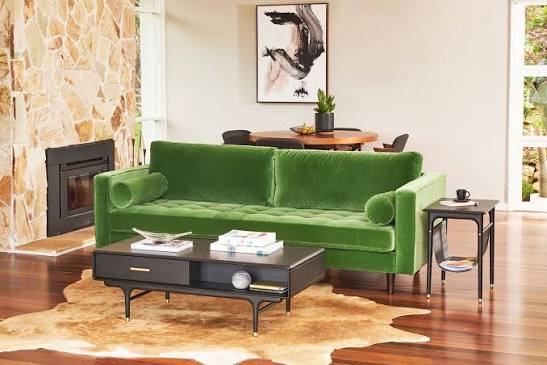
Bringing home a velvet sofa bed is often the moment a living room finally feels complete. The soft pile, the deep color saturation, the sense that a piece of furniture can be beautiful and practical at once — it all sounds ideal on paper. Yet many shoppers walk away disappointed within the first year, not because the product failed them, but because small early decisions quietly caused big problems later.
Velvet is a nuanced fabric. It behaves differently from leather, linen, or standard microfiber, and a sleeper mechanism adds another layer of complexity. The good news is that almost every regret people share online traces back to the same handful of avoidable mistakes: rushing the room measurement, ignoring pile direction, choosing the wrong base color, or overlooking cleaning realities. This guide walks through the pitfalls that trip up first-time buyers, small studio dwellers, and even experienced decorators, so you can enjoy the softness and dual-purpose function you were hoping for from the very first night a guest stays over.
Understanding What a Velvet Sofa Bed Really Is
Before diving into the mistakes, it helps to be clear about what you are actually buying. A velvet sofa bed is a hybrid piece: an upholstered sofa on the outside, a functional sleeping surface on the inside. The velvet finish gives it a plush, luxurious appearance, while the pull-out or click-clack mechanism converts the seat into a bed. This dual role means the piece is being asked to perform under two very different conditions — lounging pressure during the day and full body weight distributed across the sleeping surface at night.
Why Fabric Choice Matters More Than People Think
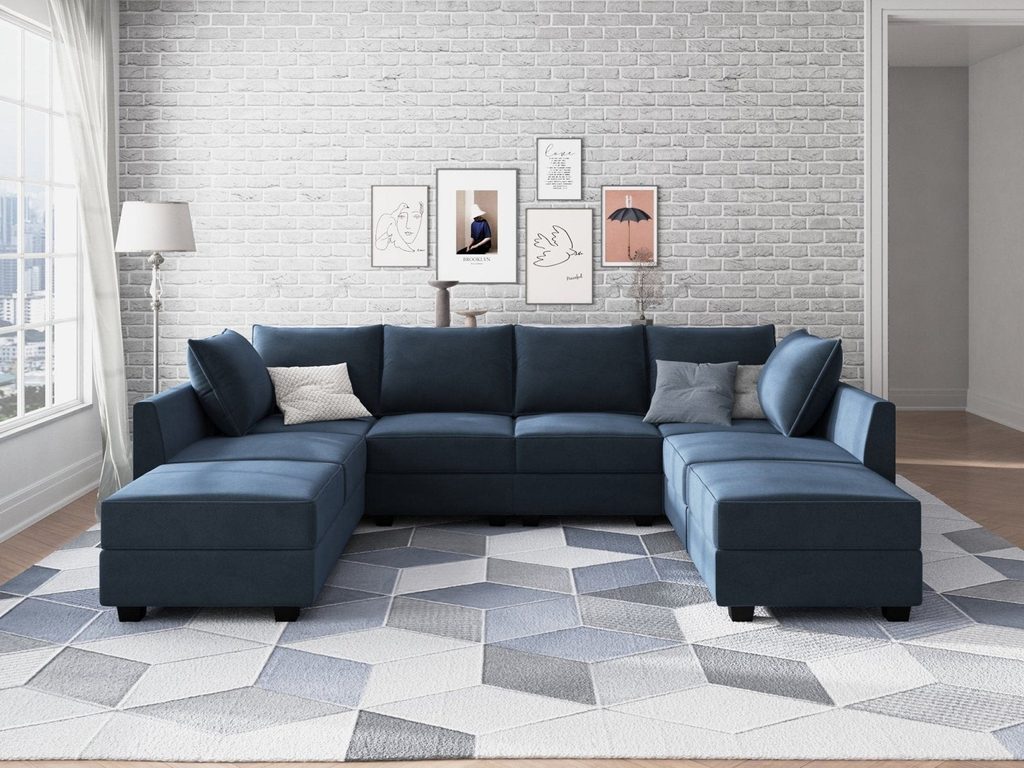
Not all velvet is created equal. Traditional cotton velvet marks easily, silk velvet is beautiful but delicate, and modern performance velvet blends polyester with a soft nap to resist stains and abrasion. For a sofa that doubles as a bed — meaning frequent sitting, lying, and getting up — a performance-grade velvet is almost always the smarter path. Confirm the abrasion rating before you buy; anything above 15,000 double rubs is a reasonable baseline for daily use.
Mistake One: Skipping the Room and Doorway Measurements
The single most heartbreaking scenario is watching a delivery crew turn away because the sofa cannot get through the front door. Sleeper sofas are typically heavier and less flexible than standard sofas because of the internal frame and mattress. Before you commit, measure the width of every doorway, staircase turn, and hallway on the delivery path. Also measure the sofa’s fully extended footprint, not just its folded size — otherwise you may end up with a bed that opens into a coffee table or blocks a walkway.
Sketching the room on graph paper, or using a free floor-plan app, takes fifteen minutes and prevents weeks of frustration. Pay special attention to clearance in front of the sofa: you need at least the depth of the pull-out mattress plus room to walk around it.
Mistake Two: Ignoring Pile Direction and Light
Velvet has a pile — tiny fibers that lay in one direction and reflect light differently depending on the angle. This is what gives velvet its shimmering, two-tone effect, and it is also what confuses many first-time owners. A cushion may look almost black in one light and warm charcoal in another. If you place your sofa bed under a strong overhead light or beside a large window, the pile shift becomes dramatic.
Testing Color Before You Commit
Order swatches whenever the retailer offers them. Look at the swatch during morning light, midday, and evening. Brush the pile in both directions to see the full color range. What looks like a rich emerald in the showroom can read as an unexpected mossy tone in your living room, and returning a heavy sleeper sofa is a chore no one enjoys.
Mistake Three: Underestimating the Cleaning Learning Curve
Velvet is not fragile, but it does require a different cleaning routine than a woven fabric. Water rings, pet hair, and crumbs behave in specific ways on a napped surface. Rubbing the pile aggressively will crush it; using the wrong cleaner can leave a permanent halo. Many owners panic after the first spill and make the stain worse by scrubbing.
The right routine is calm and consistent. Vacuum the surface weekly with a soft brush attachment, always moving in the direction of the pile. Blot spills immediately with a clean white cloth — never rub. For deeper marks, a small amount of water-based upholstery cleaner applied to the cloth (not the fabric) usually lifts the stain. Once a season, use a soft-bristle brush to restore the pile’s uniform lay. Following this simple rhythm keeps the fabric looking new for years.
Mistake Four: Choosing Style Over Sleeping Comfort
A sofa bed lives in your living room but works in your bedroom. Buyers often fall in love with the silhouette and forget to test the mattress. Thin foam pads, exposed bar mechanisms, and short sleeping lengths can turn what looked like a smart guest solution into an apologetic conversation with visitors. If overnight guests are a regular occurrence, prioritize a pull-out with a genuine memory foam or hybrid mattress rather than a decorative afterthought.
Matching Frame Type to Real Usage
Pull-out sleepers offer the most bed-like experience but require more floor space. Click-clack styles unfold flat and suit smaller rooms but sleep firmer. Futons are the most compact but sacrifice the most comfort. Being honest about how often the bed will actually be used helps steer this decision. HONBAY’s velvet sleeper designs, for instance, tend to focus on real mattress depth rather than a token conversion feature, which is worth looking for regardless of the brand you ultimately choose.
Mistake Five: Overlooking the Base and Legs
The final overlooked detail is what holds the whole piece up. Cheap legs wobble, scratch floors, and shorten the life of the entire sofa. Look for solid hardwood or reinforced metal legs, and make sure the sofa’s weight rating comfortably exceeds the total load of two adults on the sleeping surface. A well-built base also keeps the fold-out mechanism aligned, preventing the awkward sagging that develops when a poorly supported frame slowly bends under repeated use.
Buying with Confidence, Sleeping in Style
A velvet sleeper sofa can be the most versatile piece in a home — a sculptural anchor by day and a warm invitation to guests by night. The mistakes that undo this promise are almost never about the fabric itself; they are about small oversights early in the shopping process. Measure carefully, test color in real light, learn the cleaning rhythm before problems appear, prioritize genuine sleeping comfort, and inspect the base as closely as you inspect the upholstery. When these fundamentals are handled, a well-made velvet sleeper repays the attention with years of quiet, dependable service. Brands like HONBAY that focus on both the softness of the finish and the strength of what lies beneath make it easier to get this balance right the first time, letting you skip the regret list entirely and simply enjoy the piece.
