

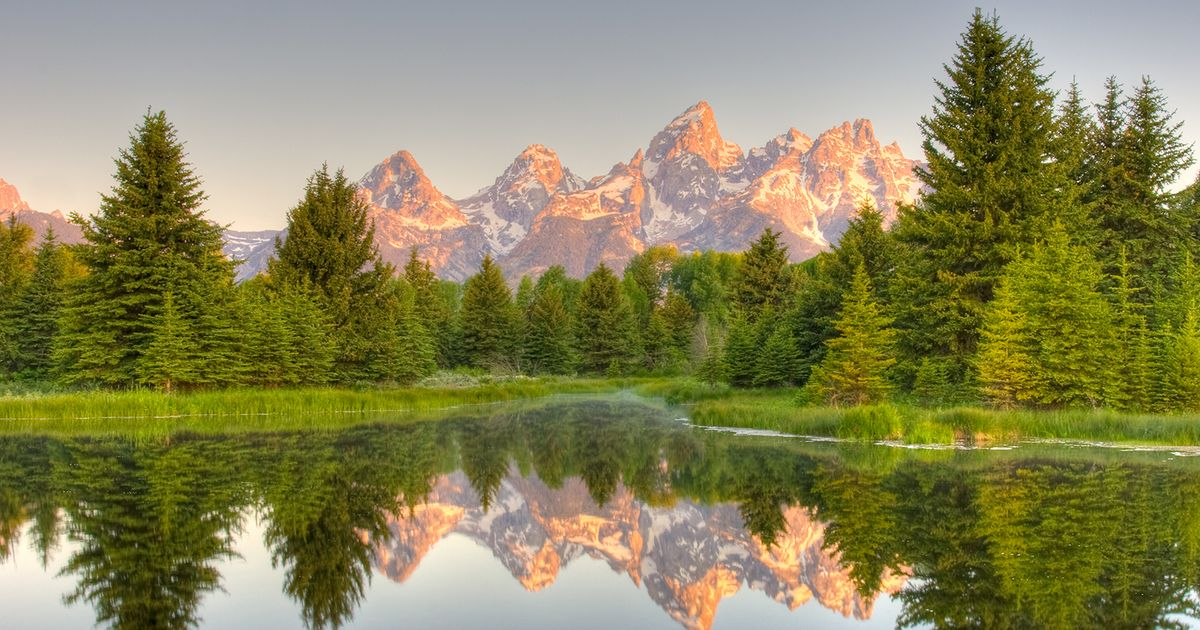
Have you ever walked through a pine forest and wondered how those towering trees became so tall? What looks like a simple evergreen tree is actually the result of years, sometimes centuries, of natural growth. From the tiny seeds hidden inside pine cones to thick trunks and spreading branches, every pine tree has a story worth exploring.
Pine trees are among the most recognizable trees in the world. Their fresh green needles, distinctive cones, and pleasant fragrance make them popular in forests, gardens, parks, and mountain landscapes. They also play an important role in nature by providing food and shelter for wildlife, protecting soil, and supporting healthy ecosystems.
One of the most interesting things about these trees is how differently they grow. Some varieties gain height relatively quickly, while others develop slowly over many years. If you are planning to plant one, you may be asking, How Long Does It Take to Grow a Pine Tree? The answer depends on the species, growing environment, and care it receives.
Another common question is How long does it take a pine tree to grow from a small seedling into a large tree? Some varieties can reach impressive heights within a few decades, while others take considerably longer. Understanding their growth patterns helps explain why pine trees are so well suited to different environments.
Getting to Know Pine Trees
Pine trees belong to the Pinus genus and are part of the conifer family. They are evergreen trees, meaning most species keep their needles throughout the year rather than losing all their foliage during autumn.
One of their most noticeable characteristics is their needle-shaped leaves. These needles usually grow in bundles, with the number of needles varying according to the species. Their narrow shape and protective coating help reduce water loss, allowing pine trees to survive conditions that can be difficult for broad-leaved trees.
Pine trees also produce cones, which contain seeds responsible for producing new trees. Their cones vary in size and appearance, depending on the variety. Some are small and rounded, while others are long and woody.
There are more than 100 recognized pine species, and their appearance can differ significantly. Some grow into towering forest trees, while others remain compact and are commonly used in landscaping.
How Pine Trees Begin Their Life
Every large pine tree starts with a surprisingly small seed. These seeds develop inside female cones and are eventually released when the cones mature. Depending on the species, wind or other natural processes help distribute the seeds.
When a seed reaches a suitable location, it may begin germinating if moisture, oxygen, and temperature conditions are right. A tiny root emerges first and grows into the soil. Soon afterward, a small shoot appears above the ground and begins developing its first needles.
At this stage, the seedling is vulnerable. Too little water, waterlogged soil, extreme temperatures, and damage from animals can affect its survival. However, when conditions are suitable, the seedling gradually establishes its roots and becomes a young pine tree.
This early development is important because a healthy root system provides the foundation for future growth.
Understanding the Growth Journey of a Pine Tree
Pine trees do not develop into mature trees in a single growth spurt. They pass through several stages, each contributing to their overall structure and strength.
The Seedling Stage
During the first stage, the tree develops its initial roots, stem, and needles. It may only be a few inches tall, depending on the species and growing conditions.
Its main priority is establishing itself in the soil. Consistent moisture, sufficient sunlight, and protection from damage help the young plant survive.
The Young Tree Stage
As the seedling becomes established, its trunk starts becoming stronger and its branches begin spreading. More needles appear, giving the tree a fuller appearance.
Root development continues during this period, helping the tree absorb water and nutrients more efficiently.
The Active Growth Stage
Once established, many pine trees begin gaining height more noticeably. Their trunks become thicker, branches develop further, and their overall shape becomes more recognizable.
Some varieties grow around 1 to 2 feet annually under favorable conditions, although fast-growing species may exceed this rate and slower-growing varieties may add only a few inches.
The Mature Stage
A mature pine tree has a well-developed root system, stronger branches, and a larger canopy. Depending on its species, it may reach a height of 20 feet, 50 feet, or even more than 100 feet.
Mature trees can also produce cones and seeds, allowing them to contribute to the next generation of pine trees.
What Determines How Quickly a Pine Tree Grows
Not every pine tree follows the same growth pattern. Even trees belonging to the same species can develop at different rates because of differences in their surroundings.
Species: The variety you choose has a major influence on its growth rate. Eastern white pine and Monterey pine are examples of relatively fast-growing varieties in suitable conditions. Mugo pine, on the other hand, is naturally compact and slow-growing.
Sunlight: Most pine trees prefer sunny locations. Adequate sunlight supports photosynthesis and helps the tree produce the energy needed for healthy development.
Soil conditions: Well-drained soil is important for most pine species. Some tolerate sandy or nutrient-poor soil, but prolonged waterlogging can damage their roots.
Water: Young pine trees need sufficient moisture while their roots become established. Once mature, many varieties can tolerate periods of limited rainfall.
Climate: Temperature, rainfall, frost, and seasonal changes all influence growth. Choosing a species suited to the local climate improves its chances of developing successfully.
If you want to understand How Long Does It Take to Grow a Pine Tree, these factors are worth considering before planting. A suitable species growing in favorable conditions may develop much faster than one struggling with unsuitable soil or climate.
Popular Pine Trees and Their Growth Characteristics
Different pine varieties offer different advantages, whether you want a tall tree for an open landscape or a smaller option for a garden.
- Eastern White Pine: Known for its soft, flexible needles and relatively fast growth, this species can eventually become a very tall tree.
- Scots Pine: A hardy variety that adapts to different soil conditions and is commonly found across parts of Europe and Asia.
- Loblolly Pine: A fast-growing species widely planted in the southeastern United States for timber production.
- Ponderosa Pine: Recognized by its thick bark and long needles, it is commonly found in western North American forests.
- Mugo Pine: A compact, slow-growing variety that works well in smaller landscapes and ornamental gardens.
The right choice depends on available space, climate, and the purpose of planting.
How to Care for a Pine Tree as It Grows
Pine trees are generally easier to maintain once established, but young trees benefit from regular attention.
Start by choosing a planting location with sufficient sunlight and good drainage. Give the tree enough room to develop its branches and roots without interfering with nearby structures.
Water young trees during dry periods, especially during their first few summers. Adding a layer of organic mulch around the base can help retain moisture and control weeds. However, keep the mulch away from the trunk to prevent moisture-related damage.
Avoid unnecessary pruning and excessive fertilizer. Pine trees generally develop well when their natural growth is allowed to continue without too much interference.
If you are wondering How long does it take a pine tree to grow into a mature landscape feature, remember that patience is important. Good care can support healthy development, but it cannot change the natural growth rate of a particular species.
Why Pine Trees Are Important for the Environment
Pine trees contribute significantly to the natural world. Their branches provide shelter for birds, while their seeds offer food for squirrels and other wildlife.
Their roots help hold soil together, reducing erosion in forests, hillsides, and other landscapes. Pine forests also store carbon, support biodiversity, and provide habitats for numerous plants and animals.
People benefit from these trees in several ways too. Pine wood is used for furniture, construction, and paper products. Pine trees are also planted for landscaping, shade, wind protection, and forest restoration.
Their ability to provide environmental and practical benefits makes them valuable far beyond their attractive appearance.
Final Thoughts
Pine trees have a remarkable way of turning a small beginning into something truly impressive. A tiny seed can eventually become a tall evergreen that provides shelter for wildlife, protects the soil, and adds beauty to its surroundings for generations.
Whether you are interested in growing one in your garden or simply want to learn more about these fascinating trees, understanding their natural development makes the experience more rewarding. Choose a suitable variety, provide the right growing conditions, and give it enough time to establish itself.
A pine tree may take years to reach an impressive size, but the shade, greenery, and environmental benefits it provides can last for generations.
